Medical Student, Formerly Incarcerated, Faces Delays in University Transfer Request
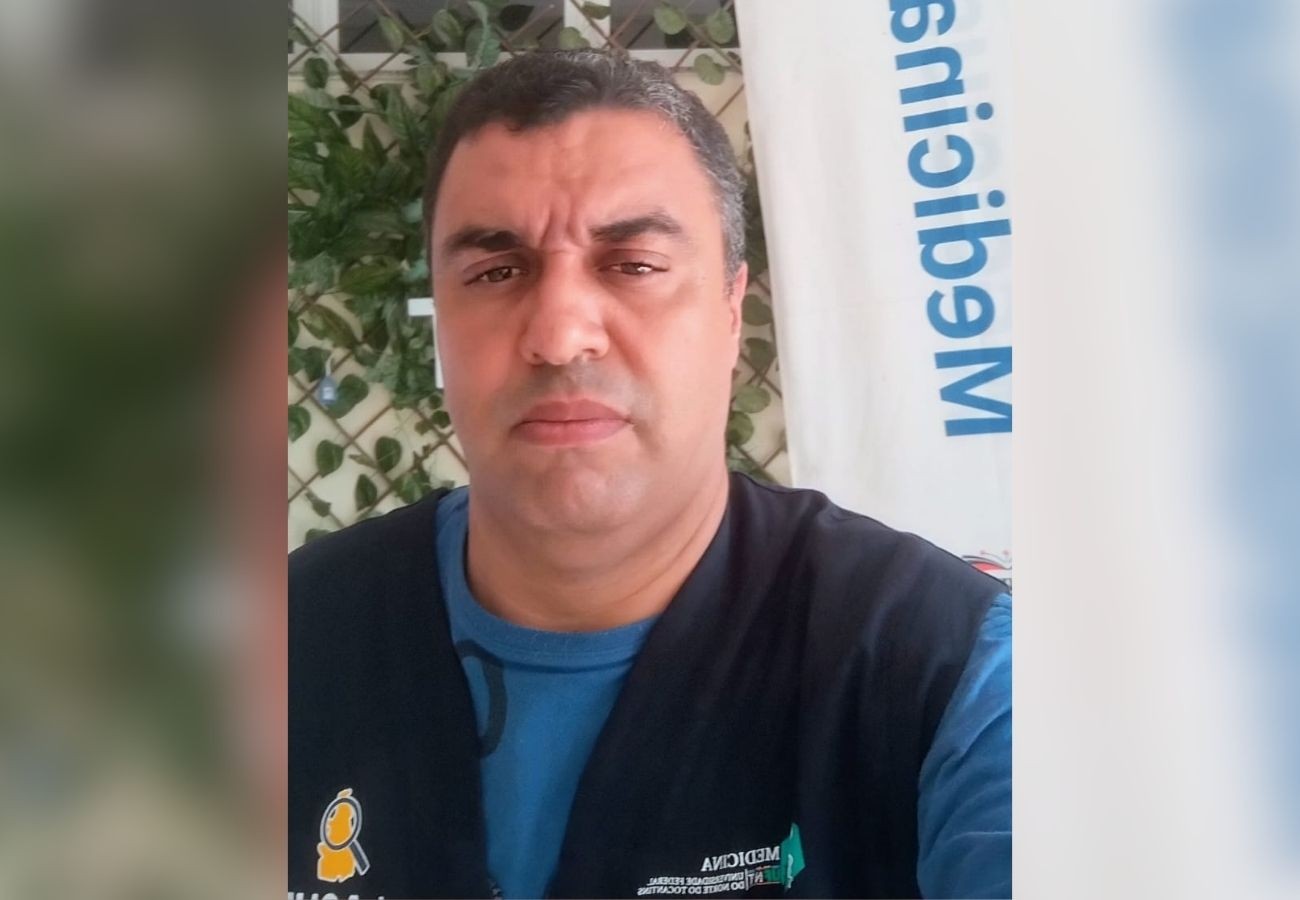
Wallace William da Costa, a 47-year-old medical student at the Federal University of Northern Tocantins (UFNT) in Araguaína, Brazil, is seeking a transfer to a university closer to his home state of Minas Gerais. Da Costa, who is nearing the start of his medical internship, wishes to be nearer his wife and four daughters, one of whom has special needs due to autism. He reports significant delays in his transfer process, stating that a request made in November 2025 was only initiated in April 2026 after he personally followed up, a delay of over 70 days. Da Costa was previously incarcerated for drug trafficking at age 18, serving six years of a sentence, after which his legal punishment was extinguished. He has since achieved numerous academic and professional successes, including passing nine competitive public service exams and working in federal roles until a spinal surgery led to early retirement. He was approved for a medical position in Minas Gerais in 2025 and aims to assume the role after completing his medical degree. UFNT stated that the transfer process is awaiting input from the receiving institution, while the Federal University of Juiz de Fora (UFJF) confirmed they have contacted Da Costa for updates and clarification. Da Costa began his educational journey during his incarceration, completing high school and later a nursing degree, before enrolling in medical school at UFNT in 2023 after passing the ENEM exam.
This case highlights the systemic challenges individuals with past convictions face when navigating educational and professional systems, even after fulfilling legal obligations and demonstrating significant personal rehabilitation. The reported delays in Wallace William da Costa's university transfer request, juxtaposed with his academic achievements and public service exam successes, raise questions about institutional responsiveness and potential implicit biases. While universities cite procedural requirements, the extended timeline could disproportionately impact individuals striving for reintegration and family proximity. Future policy considerations might explore streamlined processes for qualified individuals with prior convictions, balancing due diligence with the societal benefits of successful rehabilitation and the reduction of barriers to education and employment.
AI-generated to prompt reflection — not editorial opinion, not advice, not a statement of fact. How this works.