Medical Student Posed as Doctor Online, Now Faces Sexual Harassment Charges in Brazil
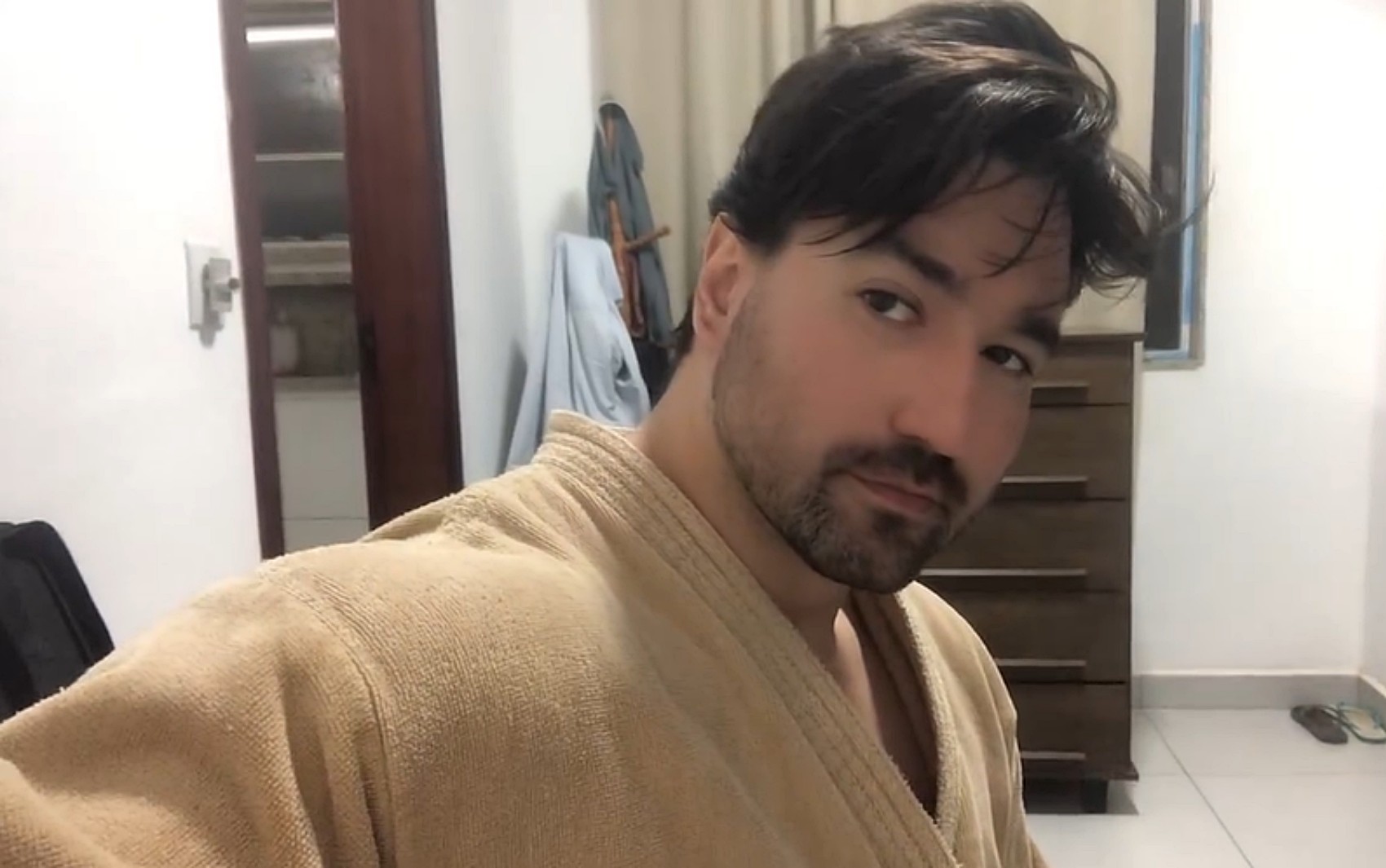
A 39-year-old medical student, Alexandre Fonseca Toledo Figueiredo, is under investigation for alleged sexual harassment of a patient at the Alzira Velano University Hospital in Alfenas, Minas Gerais, Brazil. Figueiredo reportedly presented himself as a doctor on social media, promoting weight loss treatments. The incident occurred early Monday, August 3rd, when a 21-year-old patient reported that the student touched her intimate parts without consent and took photographs during an examination. The student allegedly claimed the images were for study purposes. The patient alerted a nurse, who reportedly warned the student before police were called. The hospital stated that students are not permitted to conduct patient care without a supervising physician. They have suspended Figueiredo and initiated an internal investigation, cooperating with authorities and the student's educational institution. The student's defense attorney claims the patient requested the photographs for lesion examination, deeming the student's actions normal and innocent. However, the Civil Police are continuing their investigation into the matter. The student was subsequently granted bail and will await the investigation's outcome while free.
This incident highlights critical vulnerabilities in healthcare training environments, particularly concerning the unsupervised actions of students and the potential for misrepresentation. The student's alleged impersonation of a physician on social media, coupled with the accusations of misconduct within a hospital setting, points to systemic issues in oversight and ethical adherence. It underscores the importance of robust institutional policies that strictly define student roles, mandate direct supervision for all patient interactions, and establish clear protocols for reporting and investigating alleged breaches. The case also raises questions about the vetting processes for medical students and the adequacy of professional conduct education. Moving forward, healthcare institutions and educational bodies must collaborate to strengthen safeguards, ensuring patient safety and upholding the integrity of the medical profession in an era where digital presence can amplify both professional standing and potential for harm.
AI-generated to prompt reflection — not editorial opinion, not advice, not a statement of fact. How this works.
