Medical Student's Initiative Provides Over 800 Free Health Consultations in Acre
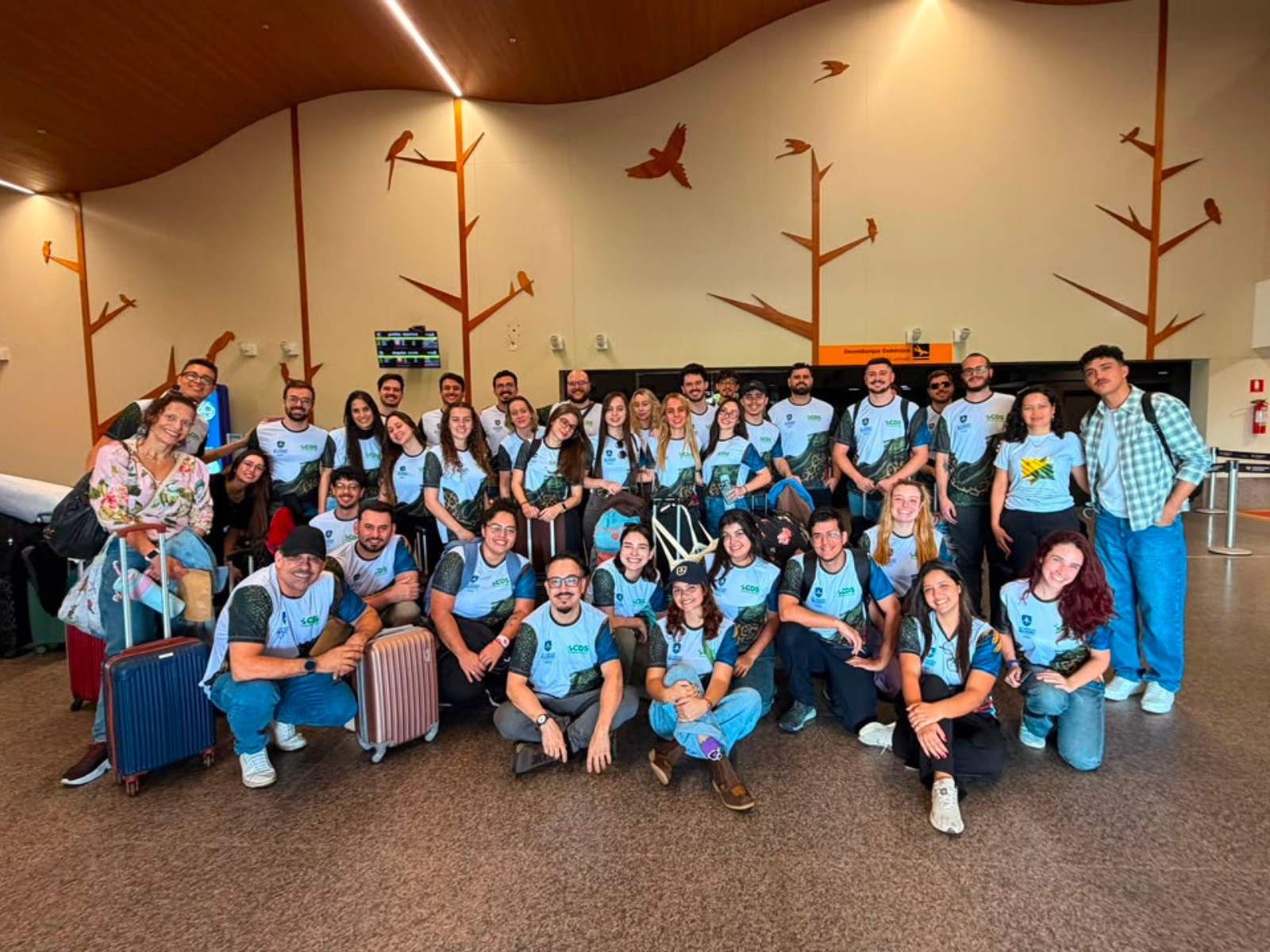
A medical student named Ana Rita Marques Parrilha, 19, from Acre, Brazil, founded the 'Caminhos da Saúde' (Paths of Health) project to offer free medical services to underserved populations. The initiative brought together 32 medical students and six volunteer doctors for an expedition in Feijó, a city in the interior of Acre. The project provided over 800 free consultations between Thursday, May 16, and Monday, May 20. Participants served residents from urban and rural areas, including those who traveled from distant colonies and rubber plantations. The team offered specialized care in various fields such as Gynecology and Obstetrics, Family and Community Medicine, Internal Medicine, Ophthalmology, Psychiatry, and Pediatrics. A portion of the team also visited the Belo Monte indigenous village to provide medical assistance to its residents. The project's idealizer, Parrilha, who studies medicine in another state but is originally from Rio Branco, Acre, was motivated by a desire to give back to her home state. The expedition was planned for about a year and a half, with logistical support from the Feijó municipality. The project's success has been met with positive feedback from the community, and while future editions are yet to be confirmed, Parrilha expressed a strong desire to continue the initiative in Acre.
This initiative highlights the critical need for accessible healthcare in remote regions and the significant impact that dedicated student-led volunteer efforts can have. The project's success, measured by the volume and diversity of services provided, underscores systemic gaps in healthcare access within the Amazon region. While celebrating the positive outcomes and the altruism of the participants, it also prompts consideration of sustainable models for long-term healthcare provision in such areas. Future planning should address the scalability and continuity of such programs, potentially through partnerships with governmental health bodies and non-governmental organizations to ensure sustained impact beyond short-term expeditions. This case also illustrates the power of localized, community-focused interventions in addressing immediate health needs, offering a complementary approach to broader public health strategies.
AI-generated to prompt reflection — not editorial opinion, not advice, not a statement of fact. How this works.