Medieval Warrior's Lucky Charm? 12th-Century Wild Boar Tusk Unearthed in Russia
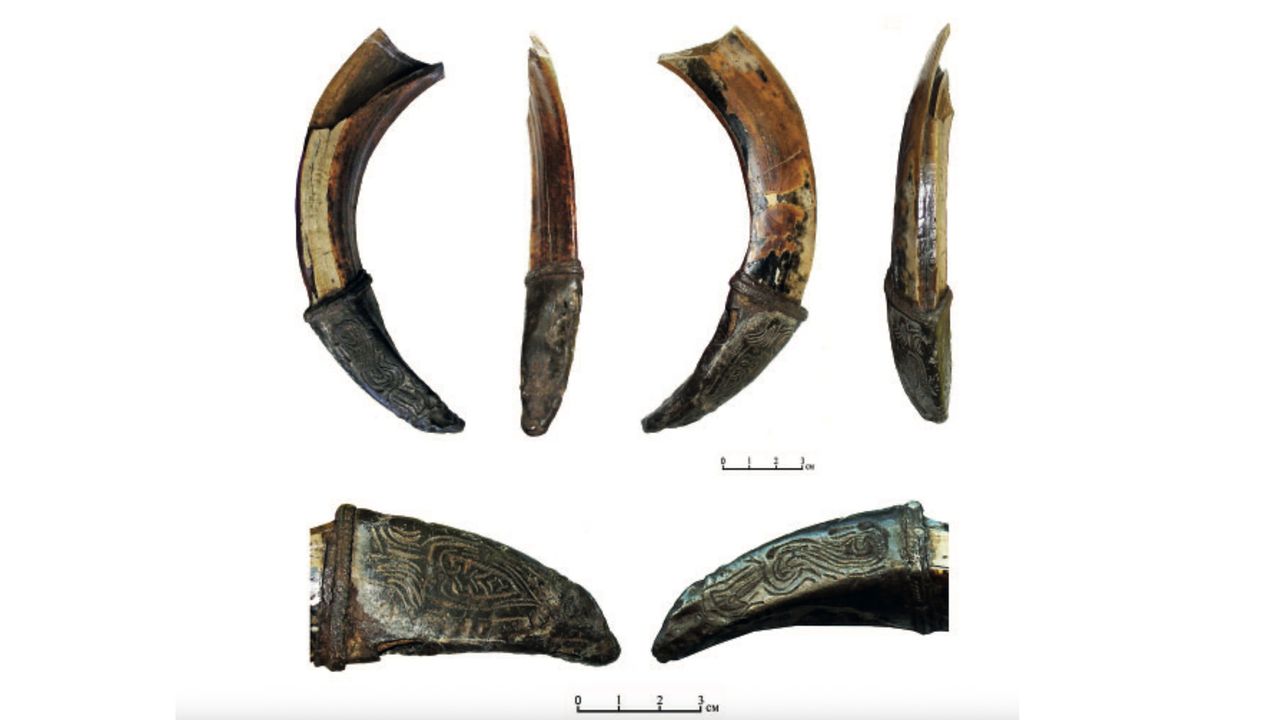
Archaeologists in Russia have discovered a wild boar tusk dating back to the 12th century, which they believe may have served as a good-luck charm for a medieval warrior. The tusk was found during excavations and shows signs of being deliberately shaped or decorated. Researchers suggest that such items were often carried into battle for protection or to bring fortune. This particular tusk's preservation and potential craftsmanship indicate it was a valued object. The discovery offers a glimpse into the personal beliefs and superstitions of warriors during that historical period. Further analysis will be conducted to understand its exact use and significance. The find contributes to our understanding of medieval Russian culture and the practices of its fighting forces.
The discovery of this 12th-century wild boar tusk in Russia offers a tangible link to the personal beliefs and protective practices of medieval warriors. Such artifacts highlight the intersection of material culture and psychological needs in high-stress environments like warfare. Examining the tusk's potential decoration and preservation can inform our understanding of resource allocation and craftsmanship dedicated to personal talismans. This find prompts reflection on how individuals historically sought to mitigate perceived risks through symbolic means, a practice that continues in various forms today, albeit often through different cultural expressions and technological advancements.
AI-generated to prompt reflection — not editorial opinion, not advice, not a statement of fact. How this works.