Mediterranean Diet Linked to Heart and Brain Protective Proteins
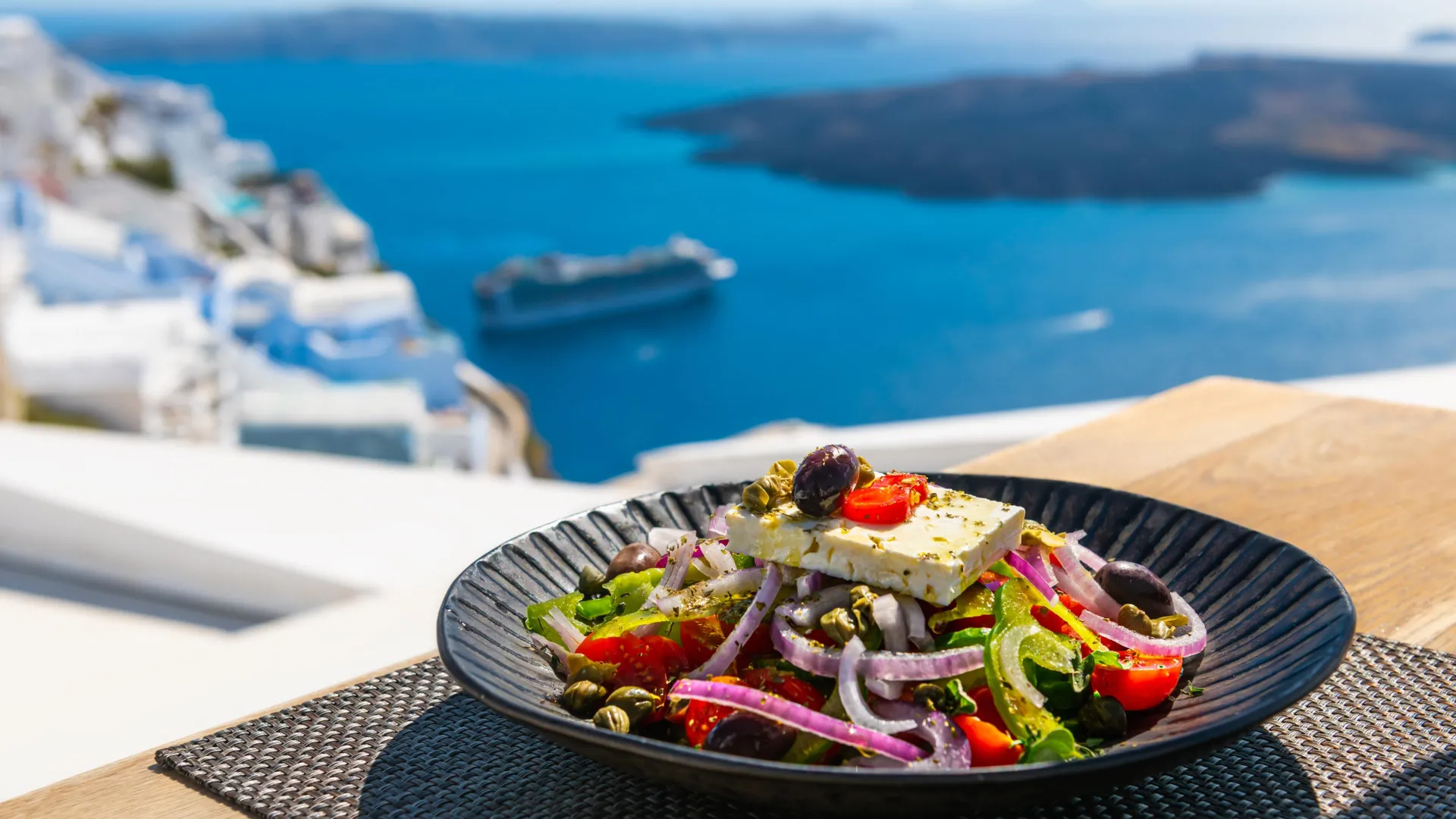
The Mediterranean diet may play a role in healthy aging by influencing specific proteins produced within cellular mitochondria. A recent study found that older adults who adhered most closely to this dietary pattern exhibited elevated levels of two proteins: humanin and SHMOOSE. These proteins have previously been associated with protective effects for both the heart and the brain. The research suggests that components like olive oil, fish, and legumes, alongside a reduction in refined carbohydrates, are particularly significant in promoting these beneficial effects. These findings hold potential for the future development of tailored nutritional strategies aimed at supporting healthy aging.
This research highlights a potential biochemical pathway through which dietary patterns can influence cellular health and aging, specifically concerning cardiovascular and neurological functions. By identifying specific proteins like humanin and SHMOOSE as mediators, the study opens avenues for understanding the mechanistic links between diet and longevity. Future research could explore how to optimize the intake of specific food components within the Mediterranean diet to maximize the production or efficacy of these protective proteins, potentially leading to more targeted nutritional interventions for age-related disease prevention. This perspective emphasizes a systems-biology approach to nutrition, moving beyond simple caloric intake to intricate molecular interactions.
AI-generated to prompt reflection — not editorial opinion, not advice, not a statement of fact. How this works.