Mediterranean Heatwaves Transform Ecosystems, Researchers Warn of Unknown Future
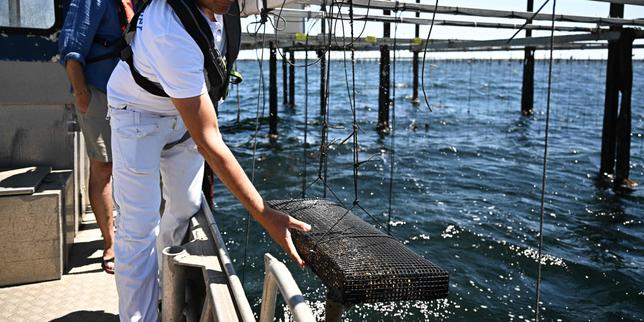
Mediterranean ecosystems are undergoing rapid transformations due to intense heatwaves, with researchers observing significant impacts on local flora and fauna. In the Thau lagoon, certain plant species are advancing while others are declining, indicating a significant disruption to the delicate ecological balance. The future of mussel farming in the region is also under threat as the rising temperatures create increasingly challenging conditions for these aquaculture operations. Scientists studying these changes emphasize the unprecedented nature of the situation, stating that "we have entered an unknown world." This observation highlights the urgent need to understand and adapt to the escalating effects of climate change on biodiversity and vital natural resources in the Mediterranean basin.
The observed ecological shifts in the Mediterranean, particularly in the Thau lagoon, underscore the profound and accelerating impact of climate change on natural systems. The differential responses of plant species and the vulnerability of aquaculture, such as mussel farming, illustrate complex ecosystem dynamics under thermal stress. This situation prompts consideration of adaptive management strategies and the potential for cascading effects across interconnected food webs. As ecosystems navigate these unprecedented conditions, understanding the long-term resilience and potential tipping points becomes critical for conservation efforts and sustainable resource management in the coming decade.
AI-generated to prompt reflection — not editorial opinion, not advice, not a statement of fact. How this works.