Mega-Sena Lottery: 22 Piauí Bets Win Prizes in 3030 Draw, Jackpot Rolls Over
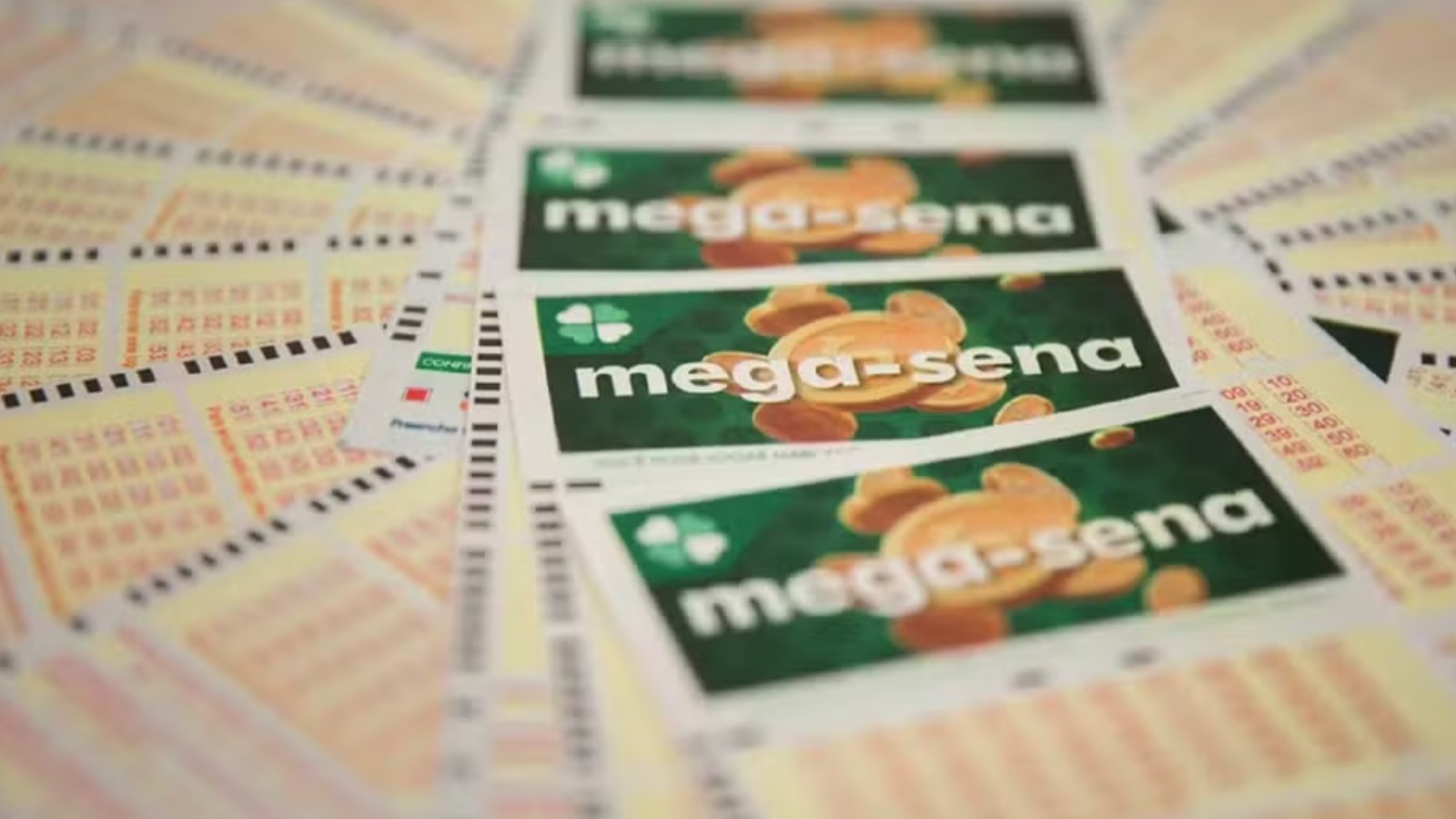
In the 3030 Mega-Sena lottery drawing held on Saturday, March 11th, in São Paulo, twenty-two winning bets were placed in the state of Piauí. These bets correctly matched four of the six drawn numbers: 06, 11, 25, 45, 48, and 58. The prizes for these "quadra" winners ranged from R$ 960 to R$ 5,760. No participant managed to match all six numbers, causing the main prize to accumulate to R$ 25 million. Across Brazil, 41 players won R$ 42,373.42 each for matching five numbers, while 2,983 participants nationwide secured R$ 960 for matching four numbers.
The winning bets in Piauí were distributed across nine cities, including Bom Jesus, Cocal, Floriano, Itainópolis, Jerumenha, Parnaíba, Picos, Teresina, and Uruçuí. Teresina accounted for the largest number of winning bets in the state, with 11 prizes. Among these, nine were R$ 960 winners, one bet with eight chosen numbers won R$ 5,760, and a syndicate bet with seven numbers received R$ 2,880. Uruçuí also had a syndicate bet with seven numbers that won R$ 2,880. The cost of a basic Mega-Sena ticket is R$ 6, and bets can be placed online or at lottery retailers until 8 PM Brasília time.
This lottery draw highlights the widespread participation in national gambling lotteries and the distribution of smaller wins across various localities. The accumulation of the main jackpot signifies a significant public interest in future drawings, driven by the substantial prize money. From a systemic perspective, lotteries like Mega-Sena serve as a form of voluntary taxation, channeling funds that contribute to public services, as managed by Caixa Econômica Federal. The varying prize amounts for similar winning tiers (e.g., R$ 960 for four numbers, with exceptions for multi-number bets) reflect the complexity of prize calculation based on bet type and number of winners. As AI continues to influence consumer behavior and data analysis, future lottery systems might explore personalized betting options or dynamic prize structures, while regulatory frameworks will need to adapt to ensure fairness and responsible gaming.
AI-generated to prompt reflection — not editorial opinion, not advice, not a statement of fact. How this works.