Mega-Sena lottery jackpot reaches R$30 million for Thursday's draw
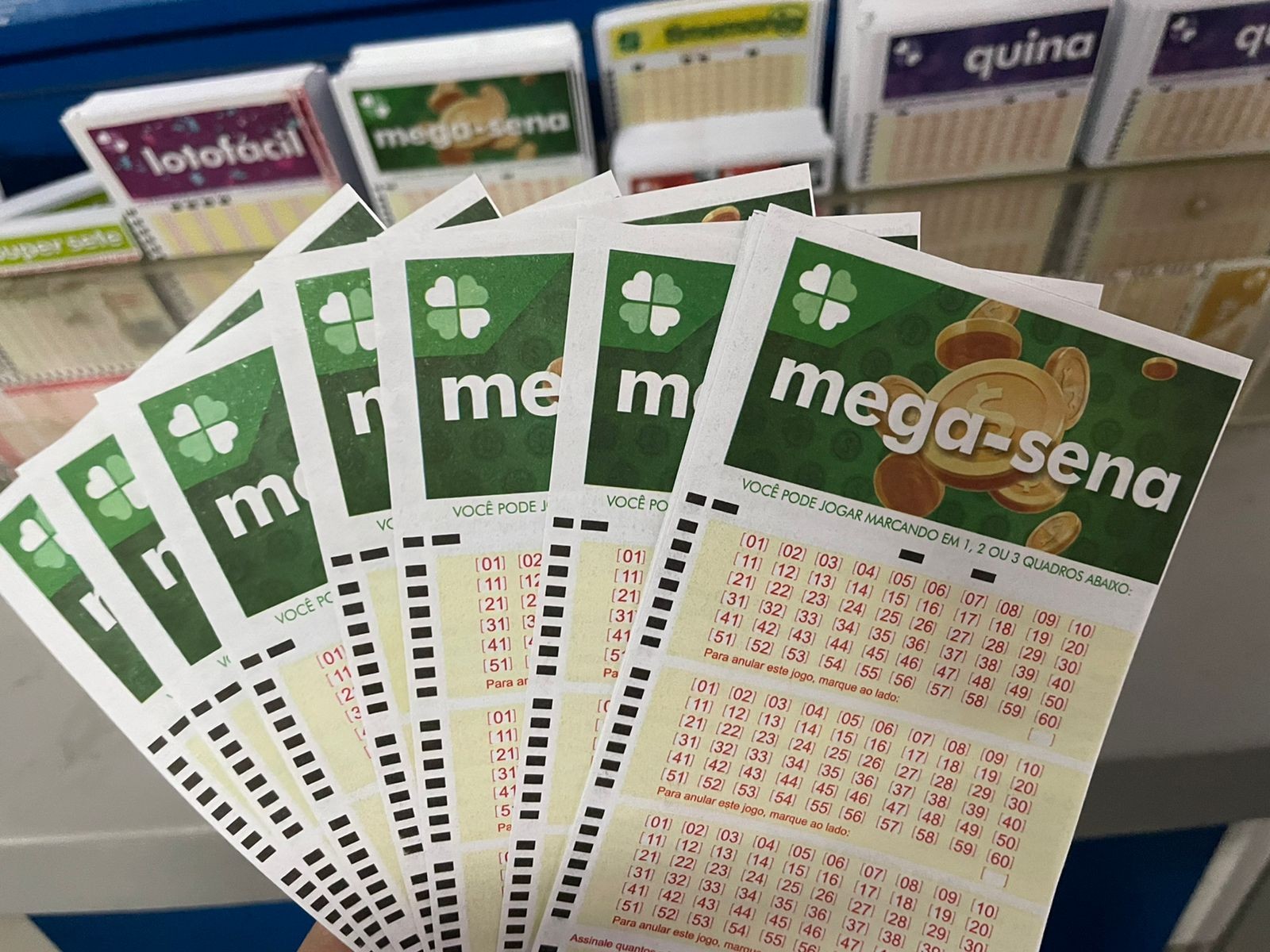
The Mega-Sena lottery is set to offer a substantial prize of R$30 million for its 3,031st draw, scheduled for Thursday, March 16th, at 9 PM in São Paulo. No player managed to match all six winning numbers in the previous draw held on Tuesday, March 14th. The lottery operator, Loterias Caixa, will have its drawings broadcast live by g1, starting shortly before each draw on their website and YouTube channel. The minimum cost for a Mega-Sena bet is R$6, and players can place their wagers online until 8 PM on the day of the draw. Mega-Sena features three drawings per week, held on Tuesdays, Thursdays, and Saturdays. Bets can be placed at any lottery house nationwide or through the Loterias Caixa website and app until 8 PM, with digital pool bets available until 8:30 PM exclusively via the Loterias Online portal and app. Online payments can be made using PIX, credit card, or Caixa internet banking. Participants must be 18 years or older. The odds of winning the grand prize vary significantly based on the number of digits played; for a simple R$6 bet with six numbers, the probability is 1 in 50,063,860, while a maximum 20-number bet, costing R$232,560.00, increases the odds to 1 in 1,292.
This lottery draw highlights the persistent public engagement with chance-based wealth accumulation mechanisms. The significant jackpot, fueled by a lack of winners in the preceding draw, underscores the powerful psychological draw of large, life-altering sums. While lotteries offer a form of entertainment and a potential, albeit statistically improbable, path to financial freedom for individuals, their structure also represents a consistent revenue stream for the state or operating entity. From a systemic perspective, lotteries can be viewed as a form of regressive taxation, disproportionately impacting lower-income individuals who may allocate a larger percentage of their disposable income to ticket purchases in pursuit of aspirational outcomes. The increasing accessibility through online platforms further normalizes participation, raising questions about responsible gambling frameworks in the digital age and the long-term societal implications of widespread engagement with such high-variance financial pursuits.
AI-generated to prompt reflection — not editorial opinion, not advice, not a statement of fact. How this works.