Mega-Sena Lottery Jackpot Reaches R$ 86 Million for Thursday's Drawing
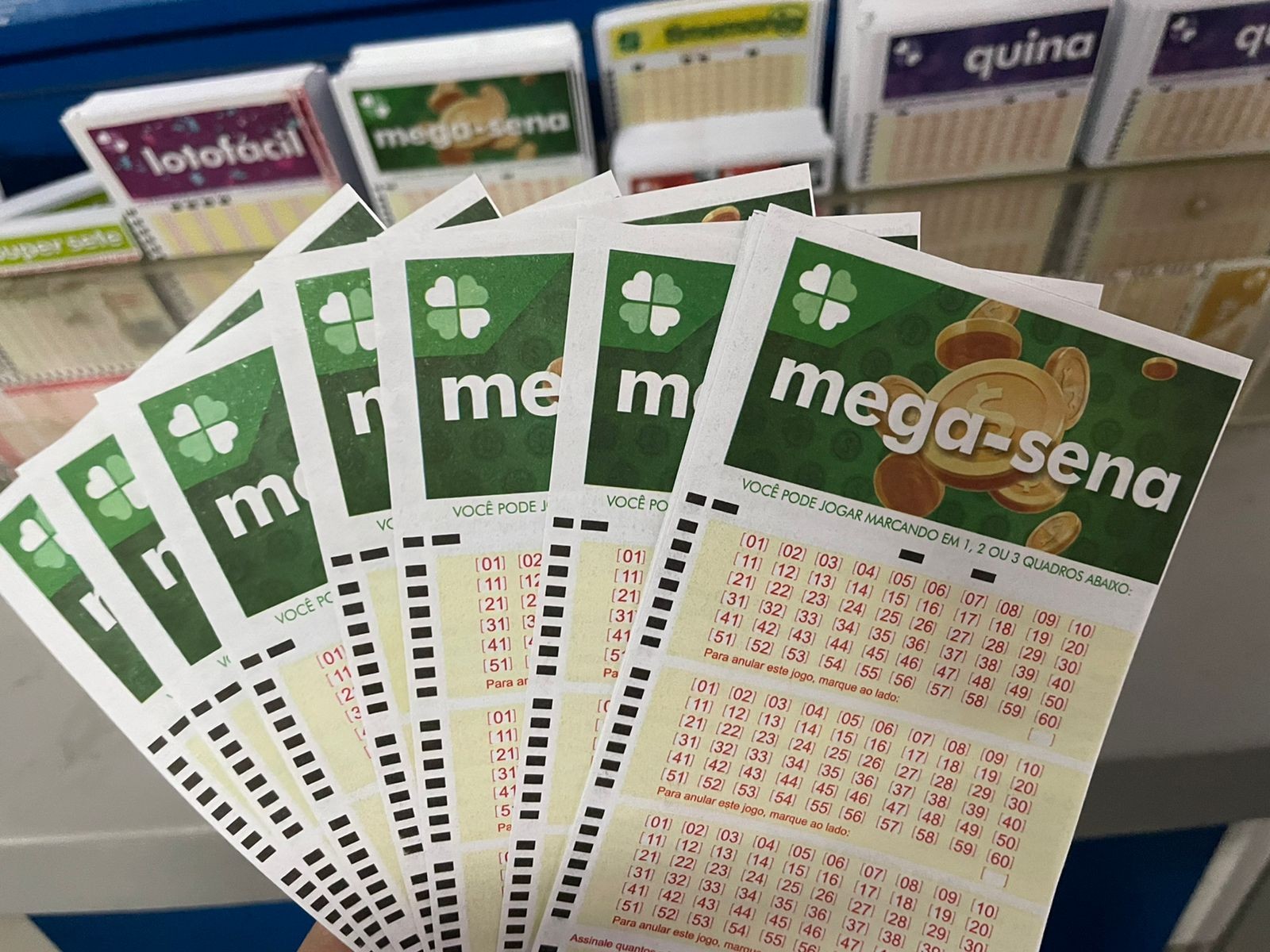
The Mega-Sena lottery is set to offer a substantial prize of R$ 86 million in its 3,038th drawing, scheduled for Thursday, March 30th, at 9 PM in São Paulo. No tickets matched the six winning numbers in the previous drawing on Tuesday, March 28th, causing the jackpot to roll over. The numbers drawn on Tuesday were 02, 11, 22, 30, 51, and 54. G1 will be broadcasting the drawing live on its website and YouTube channel, with transmissions beginning shortly before the event. The minimum bet for Mega-Sena costs R$ 6 and can be placed online until 8 PM. Mega-Sena holds three drawings weekly, on Tuesdays, Thursdays, and Sundays. Bets can be placed at any lottery retailer nationwide or through the Loterias Caixa website and app until 8 PM on the day of the drawing. Digital lottery pools can be purchased until 8:30 PM exclusively through the Loterias Online portal and app. Payment for online bets can be made using PIX, credit card, or internet banking for Caixa account holders. Participants must be 18 years or older. The odds of winning vary significantly based on the number of digits played; for a simple R$ 6 bet with six digits, the probability of winning the grand prize is 1 in 50,063,860, according to Caixa. For a maximum bet of 20 digits, costing R$ 232,560.00, the probability of winning increases to 1 in 1,292.
This Mega-Sena drawing highlights the significant financial incentives driving participation in national lotteries, with a substantial R$ 86 million jackpot accumulating due to a previous rollover. The event underscores the complex interplay between chance, public engagement, and the operational structure of state-sanctioned gambling. While offering a dream of financial transformation for individuals, the lottery's mechanics, including the steep odds for a simple bet (1 in over 50 million), also represent a consistent revenue stream for the state. Future lottery systems may face increasing scrutiny regarding their societal impact, particularly concerning responsible gambling promotion and the allocation of generated funds, especially in an era where digital accessibility lowers the barrier to participation.
AI-generated to prompt reflection — not editorial opinion, not advice, not a statement of fact. How this works.