Mega-Sena Lottery: R$ 33 Million Jackpot Up for Grabs This Saturday
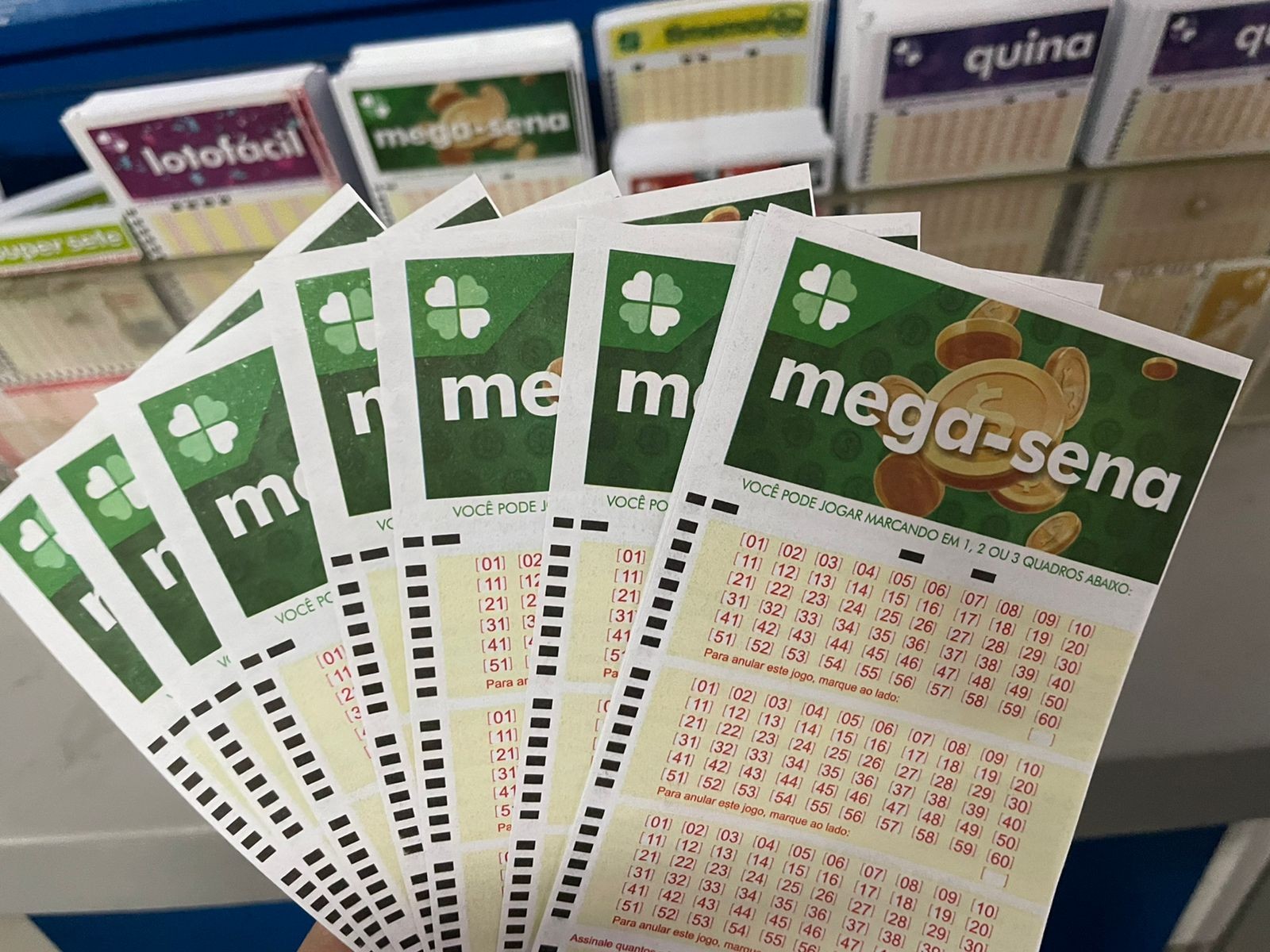
The Mega-Sena lottery is set to offer a substantial prize of R$ 33 million in its upcoming contest, number 3.027, scheduled for Saturday, February 4th, at 9 PM in São Paulo. This significant jackpot follows a previous draw on Thursday, February 2nd, where no participant successfully matched all six winning numbers. The lottery operator, Loterias Caixa, ensures live broadcasts of all its draws, including the Mega-Sena, via the g1 website and YouTube channel, commencing shortly before each event. A standard single bet on the Mega-Sena requires a minimum cost of R$ 6 and can be placed online until 8 PM on the day of the draw. The Mega-Sena features three draws weekly, held on Tuesdays, Thursdays, and Saturdays. Bets can be placed at any lottery outlet nationwide or through the Loterias Caixa website and app until 8 PM. Digital lottery pools have an extended deadline of 8:30 PM, exclusively via the Loterias Online portal and app. Payment for online bets accepts PIX, credit cards, or Caixa internet banking. Participants must be 18 years or older. The odds of winning the grand prize vary based on the number of chosen digits; a simple six-number bet (costing R$ 6) has a probability of 1 in 50,063,860, while a maximum 20-number bet (priced at R$ 232,560.00) significantly increases the chances to 1 in 1,292.
This lottery draw highlights the persistent public fascination with wealth accumulation through chance, a mechanism deeply embedded in consumer culture. The substantial R$ 33 million prize, amplified by the lack of a winner in the preceding draw, creates a compelling narrative that drives participation. While lotteries offer a dream of financial freedom, the underlying probabilities, particularly for the grand prize, underscore the extreme unlikelihood of winning. This structure, common in the gaming industry, leverages psychological biases like the availability heuristic and optimism bias. From a systemic perspective, such lotteries function as a regressive form of taxation, disproportionately impacting lower-income individuals who may allocate a larger percentage of their disposable income towards these low-probability, high-reward opportunities. Future societal structures may need to address the ethical implications of promoting such games of chance, especially in an era where financial literacy and responsible consumption are increasingly critical.
AI-generated to prompt reflection — not editorial opinion, not advice, not a statement of fact. How this works.