Mega-Sena Prize Dispute: Defective Ticket Sparks Legal Battle Over R$29 Million Winnings
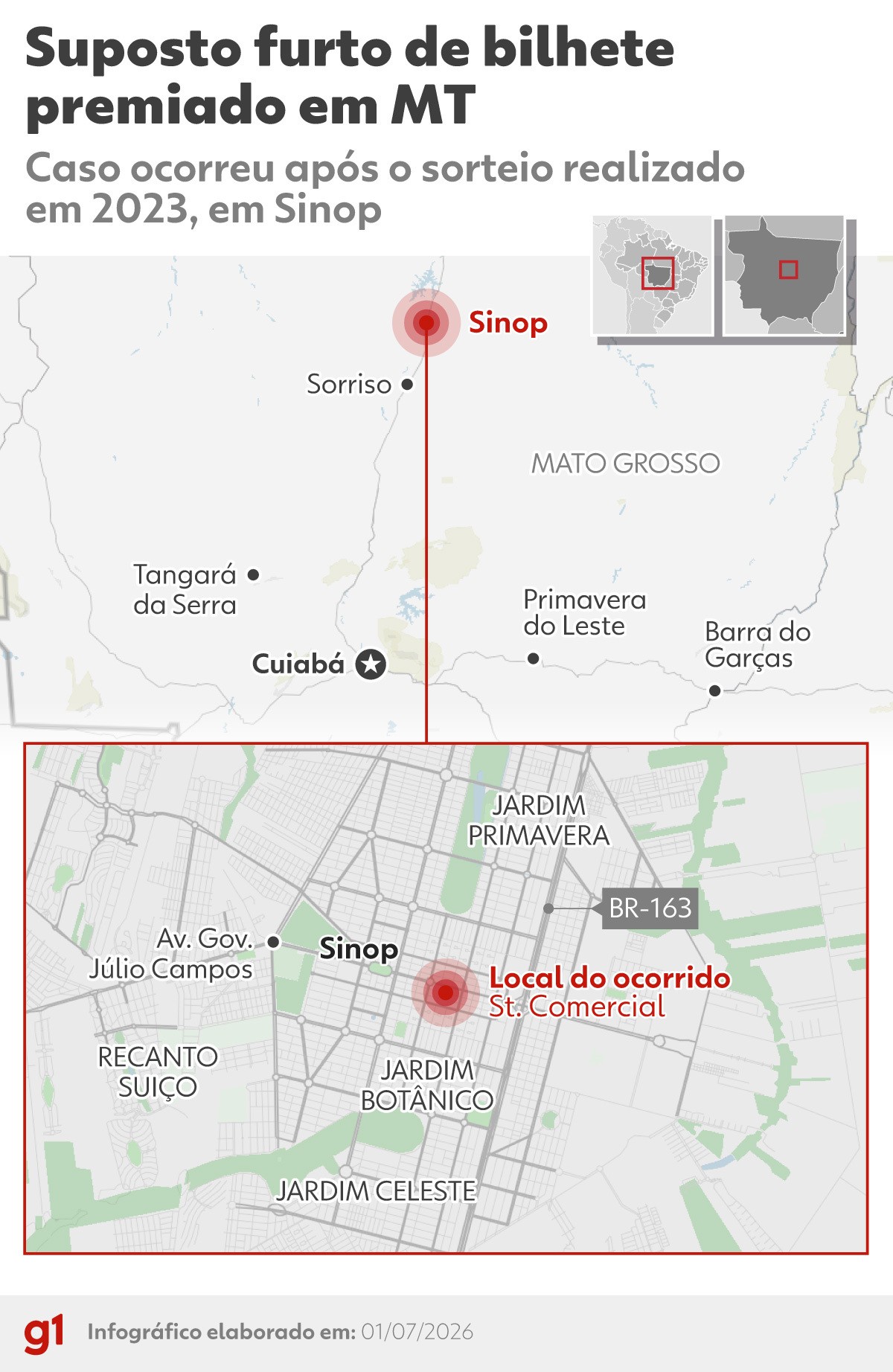
A legal battle is underway in Sinop, Mato Grosso, Brazil, over a R$29 million Mega-Sena lottery ticket that was printed with a defect. The prize, drawn in August 2023, remains frozen pending the court's decision. The dispute intensified after a lottery house employee resigned, claiming she and her husband were the rightful winners of the defective ticket. According to her defense, the R$6 ticket could not be canceled, and its cost would be deducted from her salary. The couple is now under investigation for suspected theft of the ticket, a charge they deny. The lottery house owner, however, maintains that the defective ticket was never delivered to the customer and thus belongs to the establishment. A Superior Court of Justice minister noted that the cost of the unrefunded ticket was borne by the lottery partners, effectively making it company property. The main trial is scheduled for February 2027. Caixa Econômica Federal, the lottery operator, declined to comment on the ongoing case. According to Caixa's guidelines, if a ticket is printed with a defect, the attendant should inform the customer and offer a new ticket. The guidelines also state that simple bets above R$10 can only be canceled on the same day, up to one hour before the draw, and only the last ticket printed on a terminal can be reissued. The printed ticket is the sole valid proof for claiming prizes. Prosecutors are investigating the alleged theft, not the ownership of the prize itself. They also stated that lottery houses, not employees, should cover the cost of defective tickets, especially those below R$10, as per Caixa's regulations. The lottery owner's lawyer argues that operational rules prohibit the reuse or appropriation of any ticket with printing defects.
This complex case highlights systemic issues within lottery operations, particularly concerning defective tickets and employee responsibility. The conflicting narratives between the accused couple, the lottery owner, and former employees suggest a potential breakdown in clear operational protocols and communication channels with Caixa Econômica Federal. The investigation's focus on theft, while understandable, may overshadow the underlying question of whether the lottery house's internal practices, as described by former employees, created an environment where such disputes could arise. Moving forward, clearer guidelines from Caixa on handling defective tickets, especially regarding financial responsibility and the process for cancellation or reissuance, could prevent future disputes. The legal system must weigh the established rules against the practical realities and alleged past practices within the lottery house to ensure a fair resolution and potentially set a precedent for similar situations.
AI-generated to prompt reflection — not editorial opinion, not advice, not a statement of fact. How this works.