Mega-Sena Ticket Theft Suspected in Brazil; Dispute Over R$29 Million Prize
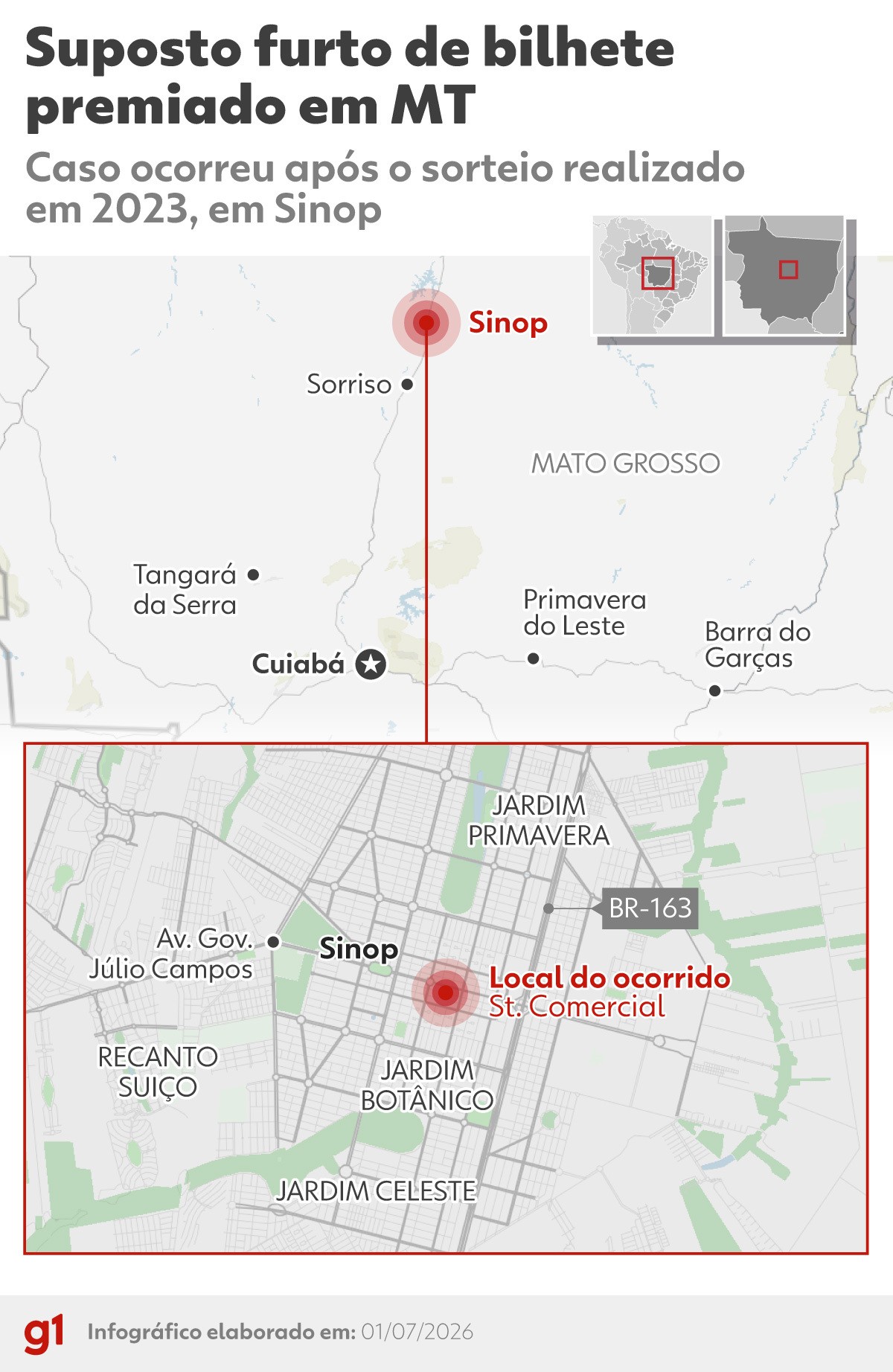
An investigation is underway in Sinop, Mato Grosso, Brazil, concerning the alleged theft of a Mega-Sena lottery ticket worth R$29 million (approximately $5.8 million USD). The case began when a lottery employee resigned and claimed her husband was one of the winners of the R$116.2 million total prize, which was split among four winning tickets. The employee allegedly took a defective, uncancelled ticket from the lottery agency's safe after the winning numbers were announced. Security footage reportedly shows the employee celebrating with a colleague, indicating plans to claim the prize. The following day, both the employee and her husband resigned. The husband then presented himself as the winner, raising suspicions among the establishment's owners, who subsequently alerted the Civil Police. The Public Prosecutor's Office has charged the employee and her husband with qualified theft by abuse of trust. Lottery regulations state that Mega-Sena tickets are bearer instruments, meaning the prize is paid to whoever possesses the physical ticket. However, the current investigation aims to determine who legitimately possessed the winning ticket and if it was improperly removed from the lottery agency. The couple denies stealing the ticket. A request to move the case to federal court, arguing federal interest due to the prize being paid by Caixa Econômica Federal, was denied. The court ruled that the investigation focuses on the alleged irregular removal of the ticket from the lottery agency, not the prize disbursement itself. The Superior Court of Justice has indicated that the crime is consummated when the ticket is removed from the lottery agency's safe, with the financial loss borne by the private lottery agency, and any subsequent attempt to claim the prize is a consequence of the theft.
This case highlights the critical intersection of lottery regulations, physical possession of bearer instruments, and potential criminal activity. The legal framework prioritizes the physical ticket holder for prize disbursement, creating a system where disputes often revolve around the chain of custody and alleged illicit acquisition of the ticket itself. The investigation's focus on the lottery agency as the primary victim, rather than the financial institution that would pay the prize, suggests a legal interpretation emphasizing the immediate financial loss incurred by the agency due to the alleged theft from its premises. Future considerations for such systems might involve enhanced digital verification methods or stricter protocols for handling uncancelled or defective tickets to mitigate opportunities for fraud and streamline the resolution of ownership disputes, thereby strengthening public trust in lottery integrity.
AI-generated to prompt reflection — not editorial opinion, not advice, not a statement of fact. How this works.