Mega Storm to Test State Response Amidst Inequality Concerns
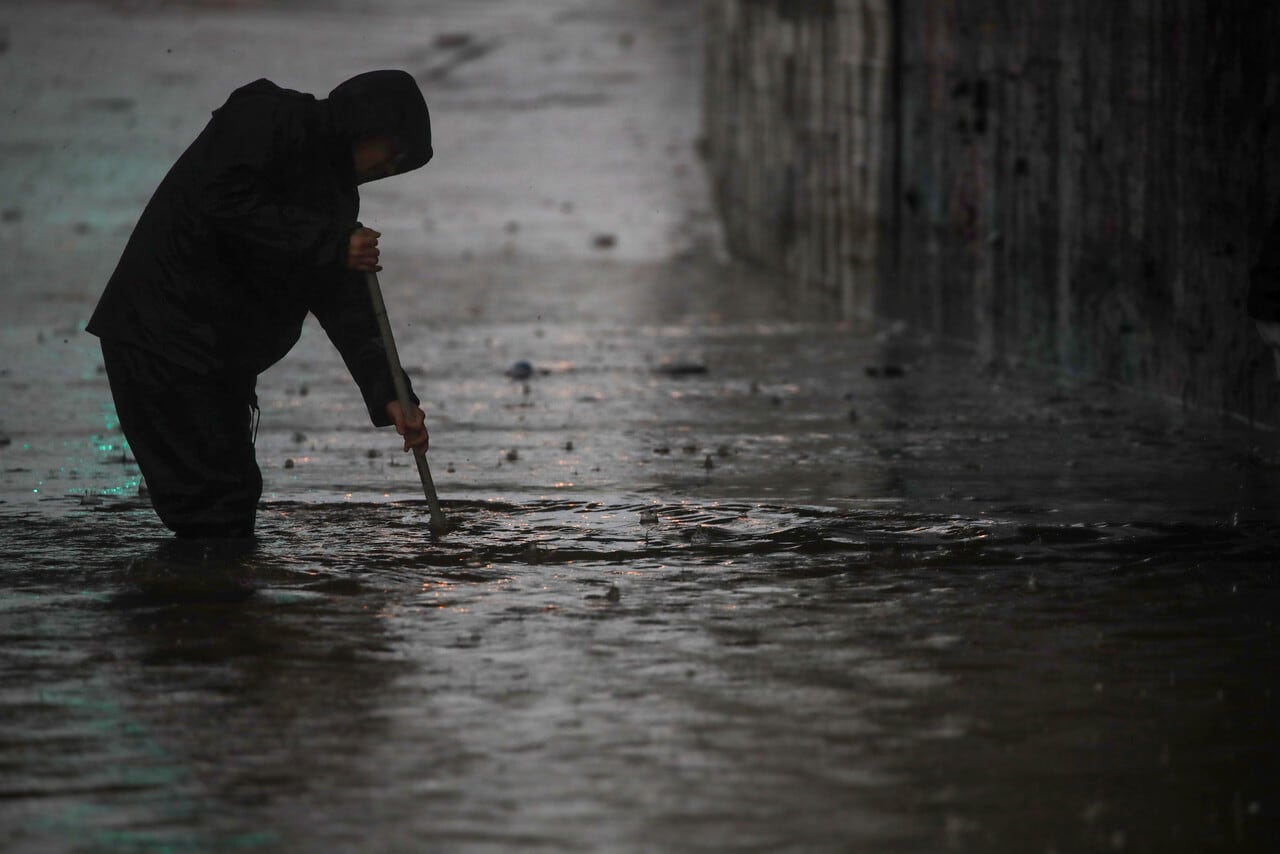
A significant weather event, described as the largest frontal system in years, is set to bring heavy rains across Chile, from the Atacama region down to Los Ríos. This meteorological phenomenon will serve as a critical test not only of the storm's intensity but also of the preparedness and response capabilities of the state, municipalities, and local communities. Experts are highlighting that persistent vulnerabilities, particularly territorial inequality and insufficient citizen preparedness, will be put under scrutiny. The effectiveness of existing infrastructure and emergency protocols will be challenged by the widespread nature of the expected rainfall. This event offers a crucial opportunity to assess how well Chile is equipped to handle large-scale natural disasters in the face of ongoing societal and geographical disparities. The outcome will likely inform future strategies for disaster risk reduction and climate change adaptation.
This impending storm presents a significant test of Chile's disaster preparedness infrastructure, particularly in regions marked by territorial inequality. The event's scale will likely expose systemic weaknesses in coordination between national, municipal, and community-level responses. As climate change intensifies such extreme weather events, the focus on citizen preparedness and equitable resource distribution becomes paramount. The effectiveness of current governance models in mitigating the impact of natural disasters, especially in vulnerable areas, will be a key indicator of future resilience. Evaluating the response will offer insights into the trade-offs between centralized planning and localized adaptation strategies, and how effectively these can be integrated to build long-term societal robustness against environmental shocks.
AI-generated to prompt reflection — not editorial opinion, not advice, not a statement of fact. How this works.