Melanoma, Aggressive Skin Cancer, Explained After Neurosurgeon's Death
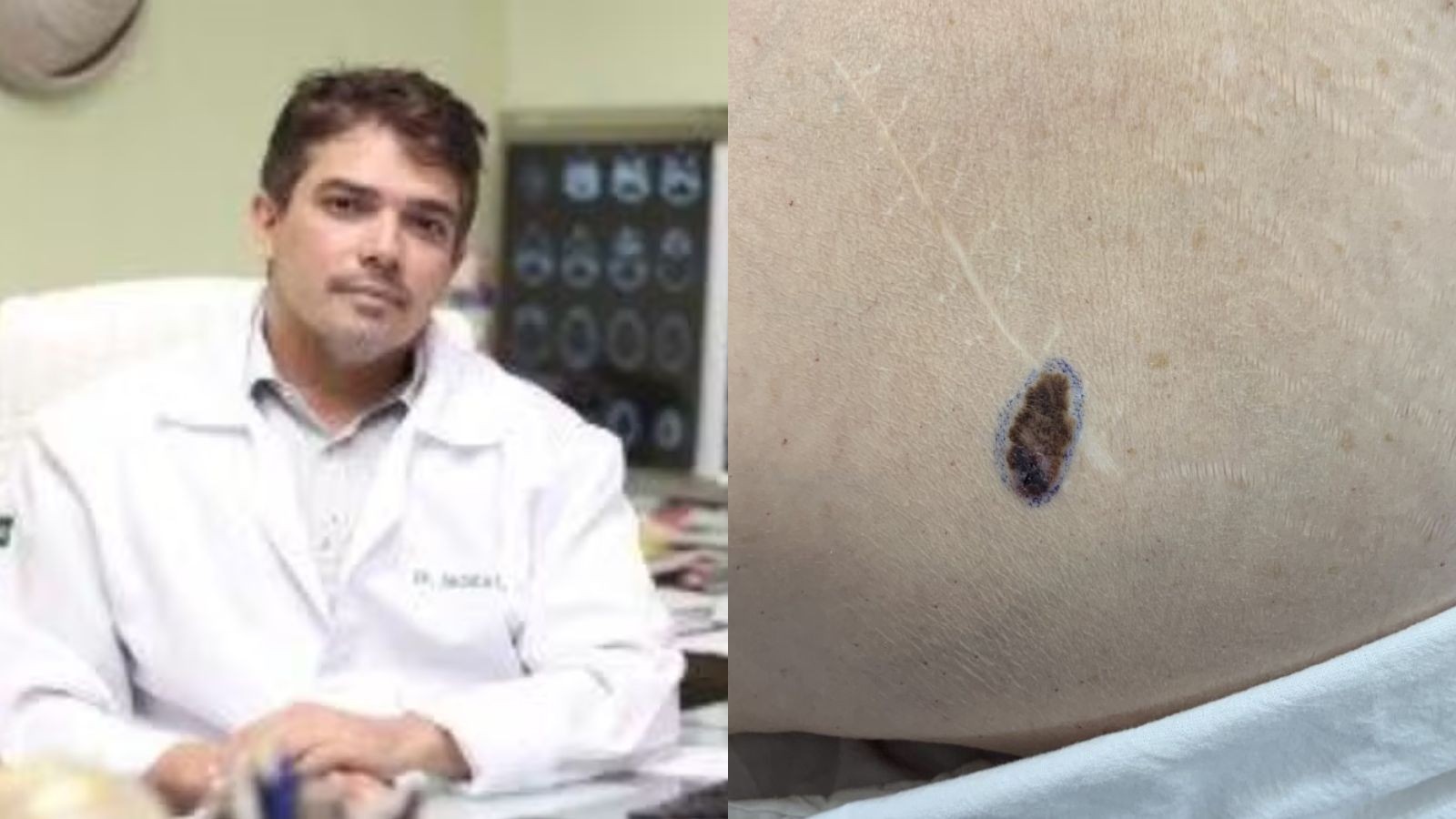
Neurosurgeon Jacinto Lay died at age 52 in São Paulo from melanoma, the most aggressive form of skin cancer. Dermatologist Thales Bastos explained that melanoma's danger lies in its high potential to metastasize, or spread to other organs, even from small initial lesions. While accounting for only about 4% of skin cancer cases, melanoma is responsible for the majority of skin cancer-related deaths. Unlike more common skin cancers that tend to remain localized, melanoma can spread early to vital organs such as the brain, lungs, and liver, drastically altering the patient's prognosis. Bastos highlighted that melanoma doesn't always appear on sun-exposed areas, often occurring on covered parts of the body like the trunk and thighs, making full-body skin checks crucial. He advised using the ABCDE rule to identify suspicious moles: Asymmetry, irregular Borders, varied Colors, Diameter larger than 6 millimeters, and Evolution (changes in size or appearance). Approximately one-third of melanomas develop from pre-existing moles, underscoring the importance of regular dermatological check-ups. Key risk factors include a family history of melanoma, prior melanoma diagnosis, fair skin, and cumulative sun exposure. Prevention primarily involves sun protection, including avoiding peak sun hours (9 AM to 4 PM), daily sunscreen use with reapplication, and annual skin screenings. Metastasis typically begins in nearby lymph nodes and can progress to distant organs. When the brain is affected, symptoms can include persistent headaches, confusion, memory loss, speech difficulties, and balance issues, emphasizing the critical role of early detection and treatment.
The tragic passing of neurosurgeon Jacinto Lay from melanoma underscores the critical public health challenge posed by this aggressive skin cancer. While the article details the medical characteristics and risk factors of melanoma, it also implicitly highlights systemic issues in cancer prevention and early detection. The emphasis on personal risk factors like sun exposure and genetic predisposition, while medically accurate, can sometimes overshadow the broader societal responsibility for creating environments that minimize UV radiation exposure and ensure equitable access to regular dermatological screenings. Future public health strategies may need to integrate more robust community-based education and accessible screening programs, particularly for populations with limited healthcare access. Furthermore, the advanced treatments mentioned, such as immunotherapy and targeted therapies, represent significant medical progress but also point to the ongoing disparity between early-stage, surgically manageable disease and late-stage metastatic cancer, a common challenge across many oncological fields.
AI-generated to prompt reflection — not editorial opinion, not advice, not a statement of fact. How this works.