Melbourne Storm dismiss Phil Gould's 'cheat' accusation against Harry Grant
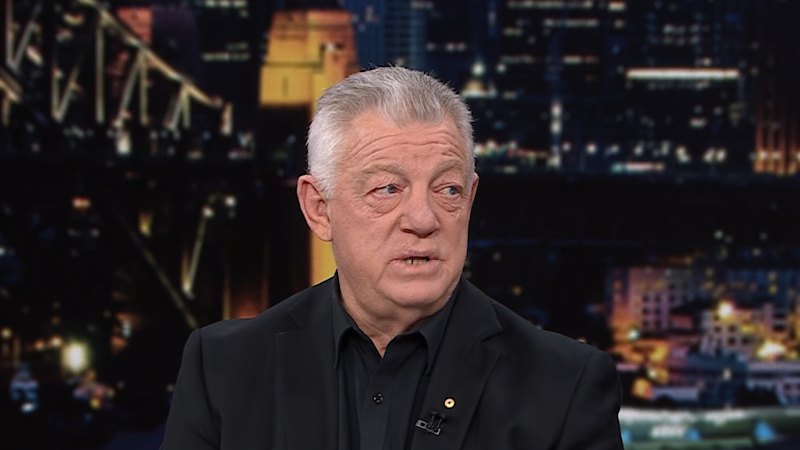
The Melbourne Storm rugby league club has stated they will not pursue a public apology from Phil Gould following his accusation that player Harry Grant cheated. Gould, a prominent commentator, made the claim regarding Grant's actions during a recent game. The Storm organization has indicated that they do not see the need to engage further on the matter publicly. This stance suggests the club believes the accusation is unfounded or not worth dignifying with a formal response. The club's decision reflects a common approach in professional sports where teams often choose to focus on performance rather than engaging in public disputes with media figures. The specific incident involving Harry Grant and the context of Gould's 'cheat' claim have not been detailed in the provided information. However, the Storm's reaction implies a strong defense of their player and team integrity.
This situation highlights the dynamic between sports media commentary and club responses. While commentators like Phil Gould have a platform to offer critical analysis, their statements can attract significant attention and potentially impact player or team reputation. The Melbourne Storm's decision to not seek a public apology suggests a strategic choice to manage public perception and maintain focus on their performance. It underscores the importance of robust internal review processes within clubs to address any perceived unfair criticism. In the evolving media landscape, clubs must navigate public discourse while protecting their athletes, balancing the need for transparency with the imperative to shield players from undue pressure or reputational damage. This incident also points to the broader discussion around accountability for public commentary in professional sports.
AI-generated to prompt reflection — not editorial opinion, not advice, not a statement of fact. How this works.