Meloni's Self-Deception: Underestimating Challenges and Allies
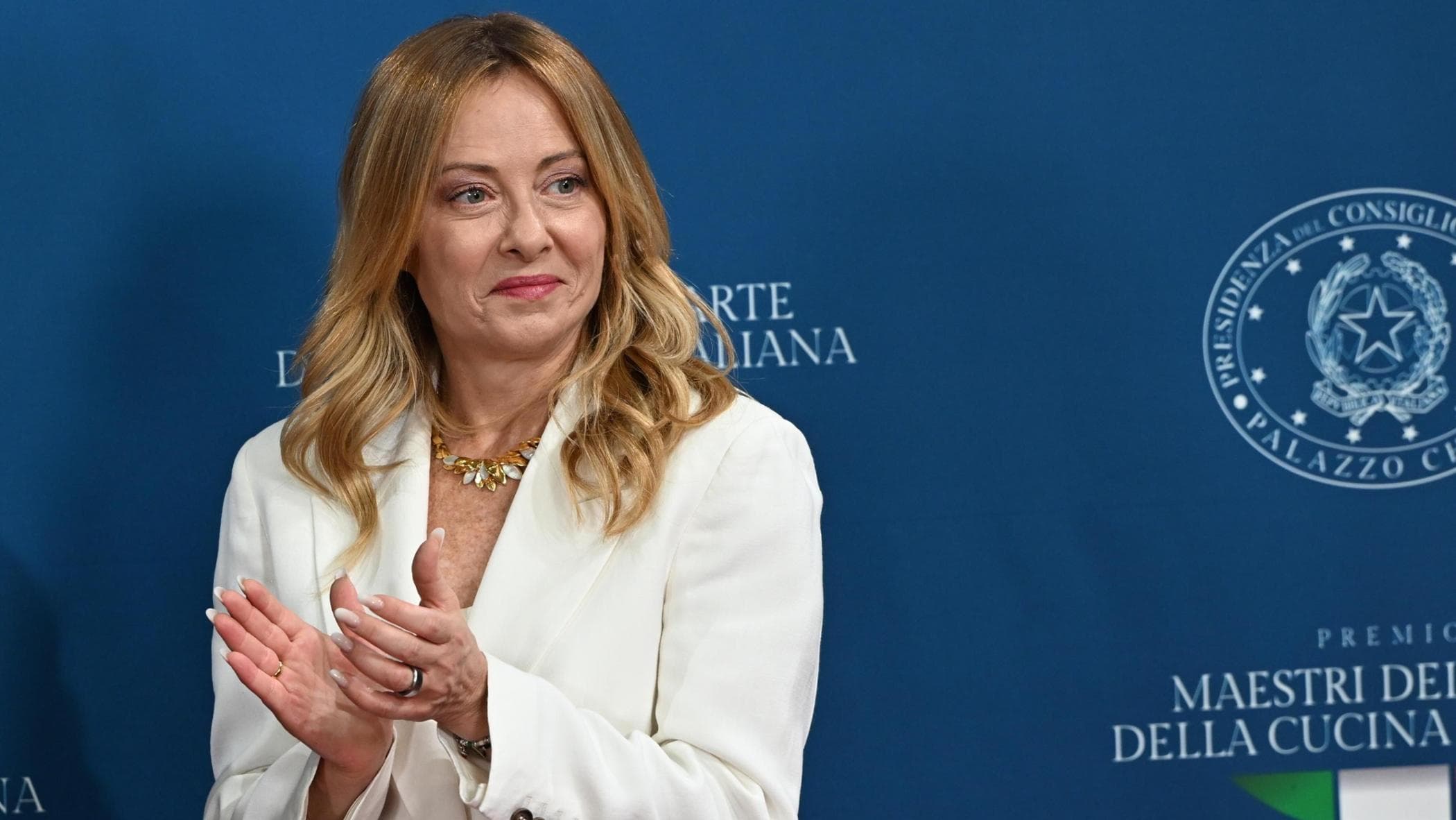
Italian Prime Minister Giorgia Meloni, known for her perceived clarity in difficult situations, has reportedly fallen victim to self-deception. This lapse is attributed not to an inability to handle crises, but rather to a failure to anticipate challenges. Specifically, she is accused of underestimating opponents or overestimating the loyalty of friends. This situation is described as a classic symptom of the political environment, often referred to as 'Palazzo' syndrome. The article suggests that Meloni's self-perception of lucidity has ironically led to a blind spot regarding her own misjudgments. This implies a disconnect between her public image and her strategic awareness.
The narrative suggests a potential disconnect between a leader's self-perception and their strategic execution, a common dynamic in high-stakes political environments. The concept of 'Palazzo' syndrome points to systemic pressures within political institutions that can foster insularity and miscalculation, regardless of individual intent. Leaders may become susceptible to confirmation bias, reinforcing their own views and overlooking external signals or internal dissent. This dynamic raises questions about the effectiveness of advisory structures and the mechanisms for challenging prevailing assumptions within government. Over the next decade, as geopolitical and economic landscapes become more volatile, the ability of leaders to maintain objective situational awareness and adapt to unforeseen challenges will be paramount.
AI-generated to prompt reflection — not editorial opinion, not advice, not a statement of fact. How this works.