Meloni Skips Paris Summit, Citing Escalation Concerns
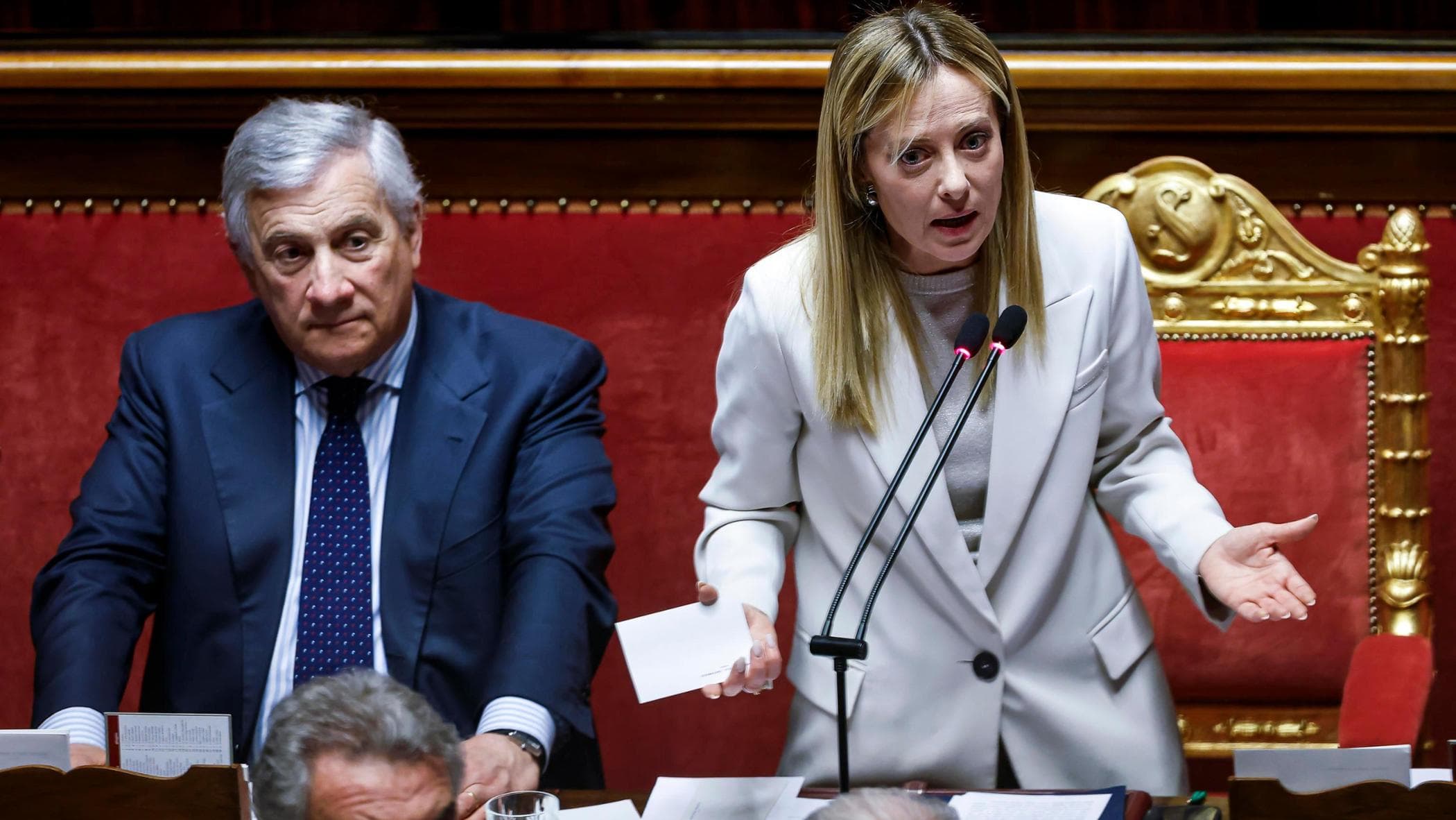
Italian Prime Minister Giorgia Meloni has decided not to attend a summit in Paris, stating that too many meetings have already occurred and that further escalation should be avoided. The decision comes amid ongoing discussions about support for Ukraine. Within Meloni's inner circle, there is speculation about the true purpose of such high-level meetings, with some questioning whether they primarily serve Ukraine's cause or the political interests of French President Emmanuel Macron. The summit was intended to discuss continued support for Kyiv. Meloni's absence signals a potential divergence in strategic approaches among European leaders regarding the conflict and its broader geopolitical implications. The Italian government has expressed a desire to de-escalate tensions while maintaining solidarity with Ukraine. This move highlights the complex diplomatic landscape and the differing perspectives on how best to navigate the current international crisis. The focus remains on finding a sustainable path forward that balances support for affected nations with broader regional stability.
Prime Minister Meloni's decision to skip the Paris summit, framed around concerns of "escalation" and questioning the utility of frequent meetings, suggests a strategic recalibration of Italy's engagement with the ongoing conflict. This move could reflect an incentive structure where prolonged, high-intensity diplomatic engagements are perceived as less effective than more targeted actions or a focus on de-escalation. The underlying tension between supporting Kyiv and perceived political maneuvering by the host nation points to the complex interplay of national interests within international alliances. Looking ahead, such divergences may highlight the need for more transparent and outcome-oriented multilateral frameworks, especially as global attention shifts towards long-term geopolitical stability and the economic ramifications of sustained conflict.
AI-generated to prompt reflection — not editorial opinion, not advice, not a statement of fact. How this works.