Meloni tells Trump: 'My popularity is not your concern, focus on yours'
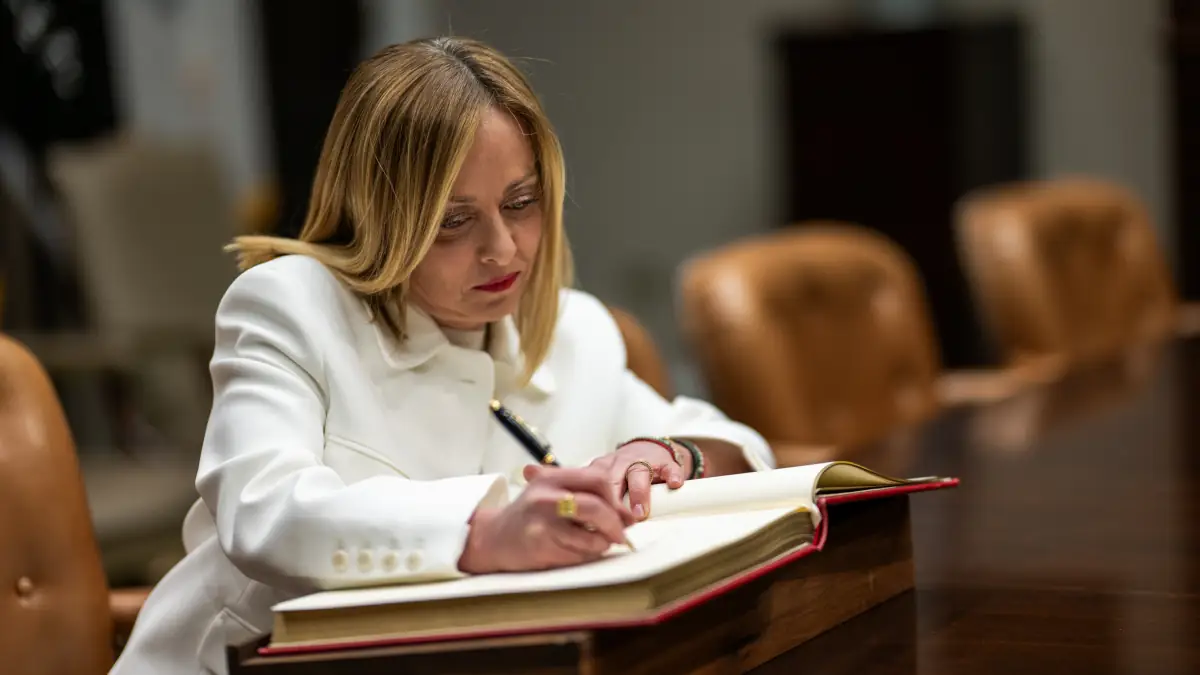
Italian Prime Minister Giorgia Meloni publicly responded on Instagram on June 20, 2026, to U.S. President Donald Trump. Trump had criticized her the previous day in a message posted on Truth Social. This exchange extends a diplomatic dispute that began during the G7 summit held in Évian-les-Bains, France, from June 15 to June 17. The specific details of the dispute and the content of Trump's criticism were not fully elaborated in the provided text, but the interaction highlights a public disagreement between the leaders of two major Western nations. Meloni's direct response suggests a firm stance on her political standing and her perceived autonomy from external commentary, particularly from a former U.S. president. The ongoing nature of this disagreement, originating from a high-level international summit, indicates potential underlying tensions or differing perspectives on policy or political strategy between Italy and the United States, or at least between their respective leaders.
This public exchange between Prime Minister Meloni and President Trump, originating from a G7 summit and playing out on social media platforms, illustrates the evolving nature of international diplomacy in the digital age. The direct, personal nature of the disagreement, framed around popularity metrics, suggests a potential divergence in leadership styles and priorities. From an incentive structure perspective, leaders may feel compelled to publicly assert their political strength and independence, particularly when facing criticism from influential international figures. This dynamic can be influenced by domestic political considerations and the desire to project an image of resilience. Looking ahead, such public spats, especially when involving leaders of major economies, could introduce complexities into bilateral relations and multilateral cooperation, potentially impacting policy alignment and strategic partnerships over the next decade. The challenge lies in balancing assertive national interests with the need for stable, predictable international engagement.
AI-generated to prompt reflection — not editorial opinion, not advice, not a statement of fact. How this works.