Melting Glaciers Fuel Flood Fears in Pakistan's Hindu Kush
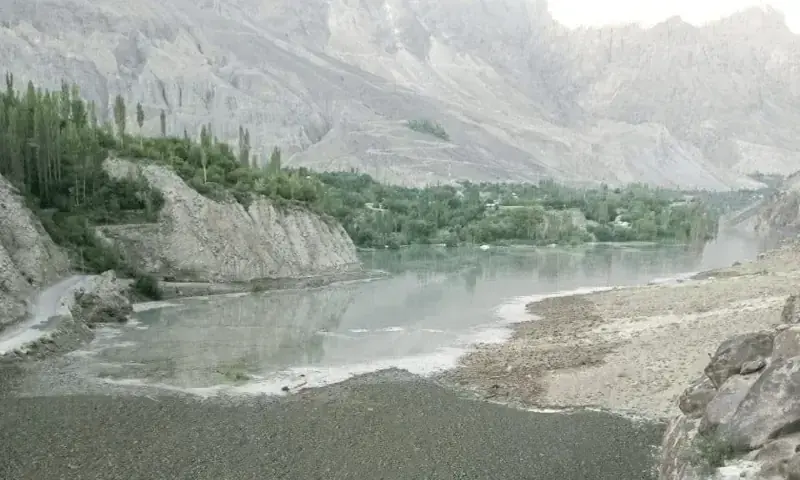
The Golen valley in Pakistan's Hindu Kush region, once a serene summer retreat, now faces significant anxiety due to rapidly melting glaciers. These ancient ice formations are forming unstable glacial lakes, which have caused devastating floods, including two major Glacial Lake Outburst Floods (Glofs) in 2019 and 2020. The 2019 event damaged the 108MW Golen Gol hydropower project, causing power outages for days. Residents like Safia Bibi recount harrowing experiences of fleeing their homes with young children during these floods, with one family relocating due to the persistent threat. The region is home to over 80 potentially dangerous glacial lakes, with authorities monitoring 131 such locations across Khyber Pakhtunkhwa and Gilgit-Baltistan. Space and Upper Atmosphere Research Commission (Suparco) data shows a concerning increase in unfrozen glacial lakes, particularly in Chitral, Upper Dir, and Swat, indicating accelerated melting due to rising summer temperatures. The instability of these lakes is exacerbated by the small size of most Hindu Kush glaciers, steep terrain, and high seismic activity, including numerous fault lines beneath Chitral. Unplanned development, such as the use of explosives for the Golen Gol hydropower project's tunnel, has further endangered the fragile ecosystem. Additionally, dust pollution from the poorly maintained Chitral–Mastuj road is a significant concern, potentially amplifying climate change impacts on local health, agriculture, and glacier stability. The Khyber Pakhtunkhwa Provincial Disaster Management Authority (PDMA) reports 63 vulnerable and 21 potentially dangerous glacial lakes, primarily in Chitral. In response, the government, with UNDP support, has installed early warning systems and formed community-based disaster risk management committees. Mitigation efforts also include afforestation and climate-resilient infrastructure development.
The accelerating melt of Hindu Kush glaciers, driven by global climate change, presents a critical challenge for communities in Pakistan's remote valleys. The formation of unstable glacial lakes and subsequent Glofs highlight the vulnerability of both human settlements and vital infrastructure, such as hydropower projects. This situation underscores a systemic contradiction: development projects, often undertaken without adequate environmental impact assessments in fragile ecosystems, can exacerbate existing risks. Furthermore, the dust pollution from unpaved roads adds another layer of environmental stress, potentially accelerating glacial melt and impacting local ecosystems. Future strategies must integrate robust climate adaptation measures with sustainable development practices, including improved infrastructure maintenance and environmental monitoring, to build resilience against these escalating threats. The region's role as a critical water source also necessitates careful consideration of transboundary water dynamics in the context of climate change.
AI-generated to prompt reflection — not editorial opinion, not advice, not a statement of fact. How this works.