Memory price increases slow due to consumer affordability limits, though AI demand sustains Q3 2026 rise
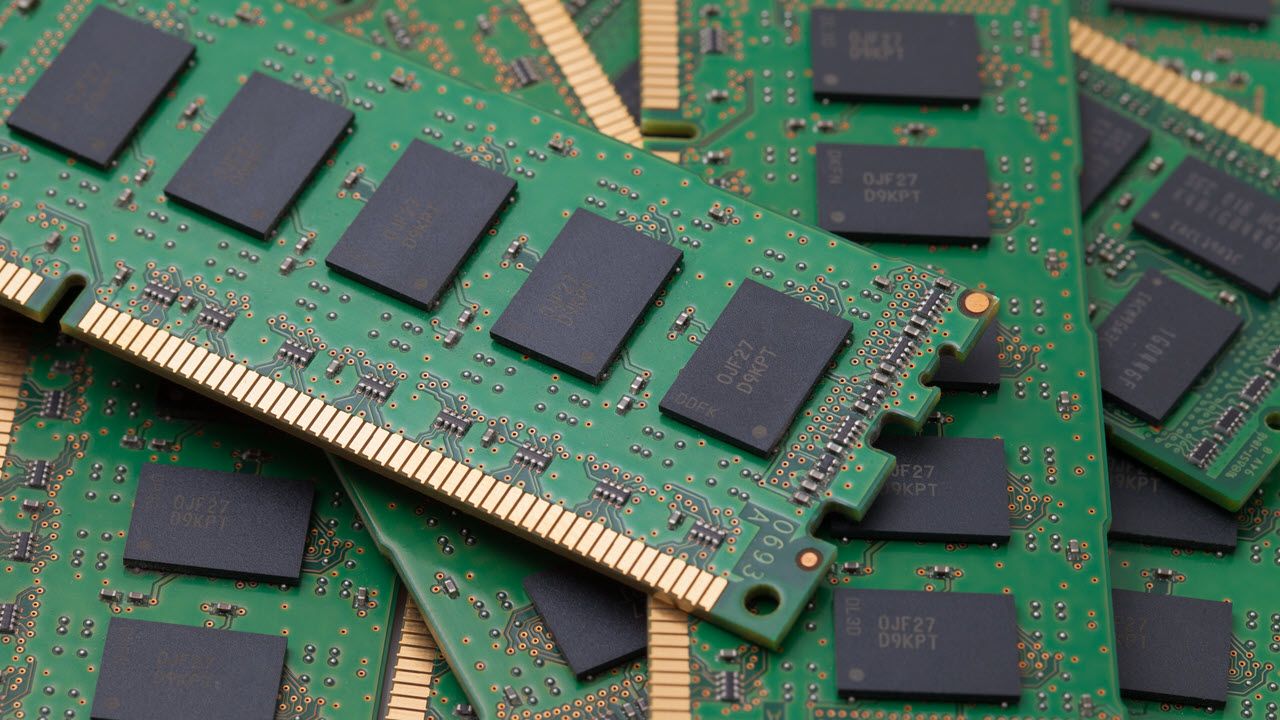
Memory prices for DRAM and NAND are projected to continue their upward trend through the third quarter of 2026, according to TrendForce. However, the pace of these increases is beginning to moderate as consumer electronics manufacturers, such as PC and smartphone makers, are encountering affordability ceilings. While the demand from the artificial intelligence sector remains a significant driver for the memory market, its impact on price acceleration is diminishing. This suggests a potential shift in market dynamics where sustained AI-driven demand might not be enough to offset the broader market's cost sensitivity indefinitely. The industry is navigating a complex environment where technological advancements in AI are countered by the economic realities faced by mainstream consumers.
The memory market faces a dual pressure from burgeoning AI infrastructure needs and consumer affordability constraints. While AI applications are creating sustained demand, pushing prices upward, the broader consumer electronics market's sensitivity to price increases may temper future growth. This dynamic suggests that sustained price appreciation will increasingly depend on the perceived value and necessity of AI-driven features versus the cost for end-users. Over the next decade, the industry will likely see a bifurcation in memory segments, with high-performance, AI-focused components commanding premium prices, while mass-market devices may experience more moderate price trends or rely on cost-optimization strategies. Navigating this balance will be crucial for sustained market health and accessibility.
AI-generated to prompt reflection — not editorial opinion, not advice, not a statement of fact. How this works.