Mental distress affects one in three sugarcane workers in Campinas region, study finds
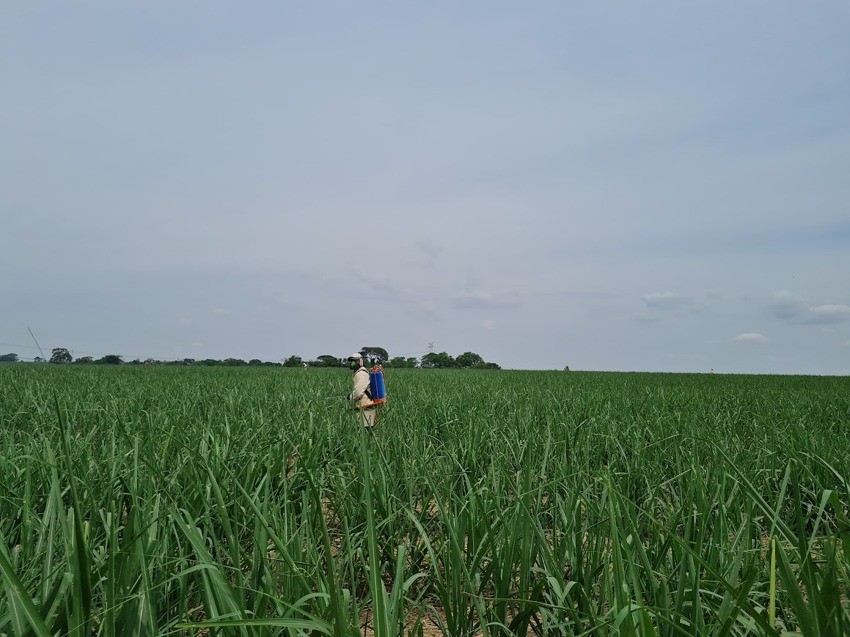
A doctoral thesis from the State University of Campinas (Unicamp) reveals that one in three sugarcane workers in the Campinas Metropolitan Region (RMC) exhibit signs of mental distress. The study surveyed 100 professionals in the sugarcane industry, identifying common mental disorder symptoms in 33% of participants. These symptoms include anxiety, irritability, sleep disturbances, concentration difficulties, and persistent fatigue. It is important to note that these findings indicate potential need for further evaluation rather than a formal diagnosis. The research, defended in February 2026 by physiotherapist Beatriz Machado de Campos Corrêa Silva, highlighted that manual laborers in the sugarcane fields reported the highest rates of mental distress and fatigue. Specifically, 43.5% of manual workers showed signs of common mental disorders and 32.3% experienced elevated fatigue, compared to 11.8% and 5.9% among drivers, respectively. The study also noted that 50% of women surveyed reported elevated fatigue, significantly higher than the 18.6% reported by men, potentially due to the combined burden of professional and domestic responsibilities. Silva's research addresses a gap in understanding the mental health impact on workers following the mechanization of sugarcane harvesting, which reduced physically demanding manual cutting but shifted focus away from worker well-being. The study observed inadequate working conditions, including poor sanitation and rest areas, and the challenges faced by herbicide applicators working under the sun with heavy equipment. The researcher advocates for increased oversight and closer collaboration with occupational health teams, emphasizing that understanding workers' daily realities is crucial for effective support.
This study highlights a significant mental health burden within the sugarcane workforce in the Campinas region, particularly affecting manual laborers. The research suggests that while mechanization has reduced some physical strains, it has not eliminated occupational hazards or addressed the mental toll on workers. The findings underscore a potential systemic issue where the focus on environmental protection and efficiency in the sugarcane industry has historically overshadowed comprehensive worker well-being, including mental health. The elevated fatigue and distress rates among manual workers and women point to vulnerabilities that require proactive occupational health strategies, beyond routine check-ups. Future considerations should explore how incentive structures within the industry can be realigned to prioritize mental health alongside productivity and safety, especially as automation continues to evolve the nature of agricultural labor.
AI-generated to prompt reflection — not editorial opinion, not advice, not a statement of fact. How this works.