Mental Health Leave Surges 68% in Brazil, Prompting New Workplace Regulations
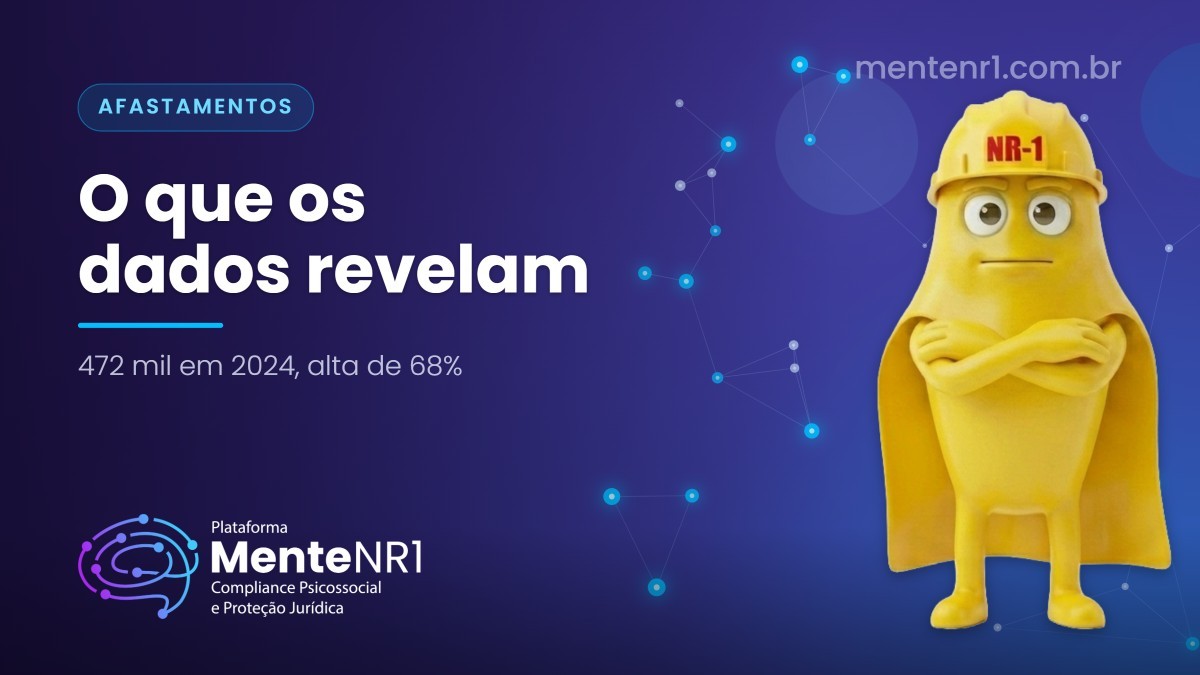
Brazil has witnessed a significant surge in work-related mental health absences, with 472,328 individuals taking leave due to mental disorders in 2024. This figure represents a substantial 68% increase compared to the 283,471 cases recorded in 2023, marking the highest level in at least a decade. These escalating numbers underscore the urgency of addressing psychological well-being in the workplace. The data, released by the Ministry of Social Security and INSS in 2025, highlights a critical issue that is placing increasing pressure on companies. In response to this upward trend, regulatory standard NR-1 now mandates the management of psychosocial risks. Tools like MenteNR1 are being promoted to help companies transition from reactive measures to proactive prevention strategies in collaboration with occupational safety and health (SST) departments. While these tools can aid in organizing, documenting, and strengthening a company's defense, they do not absolve employers of their technical and legal responsibilities, nor do they guarantee immunity from penalties or legal actions. Ultimately, compliance and protection depend on the effective implementation of preventive measures, with companies that proactively manage psychosocial risks positioning themselves favorably against both regulatory scrutiny and potential future issues.
The dramatic rise in mental health-related work absences in Brazil, as indicated by a 68% increase in one year, signals a critical breakdown in workplace well-being support systems. This trend suggests that traditional employment structures may be exacerbating psychological stress, rather than mitigating it. The introduction of NR-1, mandating psychosocial risk management, represents a governmental response to this escalating public health crisis within the labor market. However, the reliance on external tools for compliance raises questions about the genuine integration of mental health support versus a procedural approach to risk avoidance. Companies may face a future where proactive, human-centered well-being initiatives, rather than mere compliance checklists, become essential for talent retention, productivity, and long-term organizational resilience in an increasingly demanding global economy.
AI-generated to prompt reflection — not editorial opinion, not advice, not a statement of fact. How this works.