Mental Health Medication Shortage Affects Namibian State Hospitals
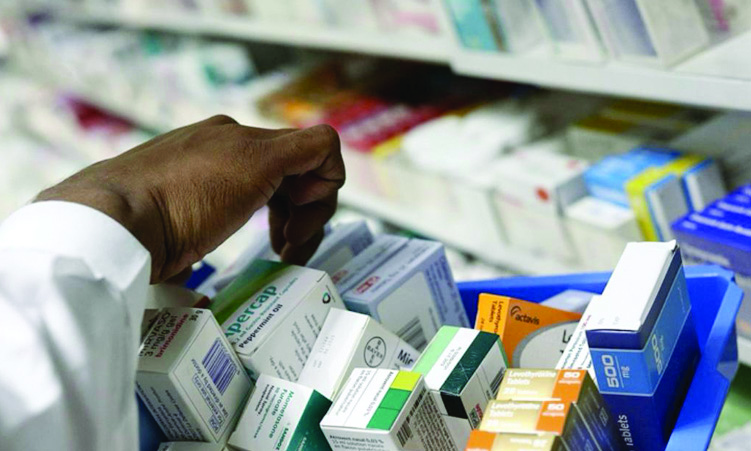
Mental health patients at Oshakati, Engela, and Okahandja state hospitals in Namibia are reportedly facing a critical shortage of essential medications. This lack of access to necessary treatments has sparked significant concern regarding the well-being of individuals who rely on these public health facilities for their mental healthcare. Interruptions in prescribed medication regimens can have severe consequences, potentially leading to relapses and exacerbation of existing mental health conditions.
The Ministry of Health and Social Services has acknowledged the issue, with spokesperson Walters Kamaya addressing the situation. The full extent of the shortage and the ministry's proposed solutions are not detailed in the provided text. However, the reported scarcity of medication directly impacts the continuity of care for vulnerable patients, highlighting potential systemic challenges within the public healthcare system's drug procurement and distribution processes.
The reported medication shortage at Namibian state hospitals underscores critical vulnerabilities in public healthcare supply chains, particularly for chronic conditions like mental illness. Such disruptions can lead to negative health outcomes, increasing the burden on patients and potentially necessitating more intensive interventions later. This situation prompts an examination of inventory management, procurement efficiency, and the resilience of the healthcare system against unforeseen supply chain interruptions. Ensuring consistent access to essential medicines for mental health patients is vital for maintaining public health stability and preventing the escalation of treatable conditions, reflecting broader governance challenges in resource allocation and public service delivery.
AI-generated to prompt reflection — not editorial opinion, not advice, not a statement of fact. How this works.