Mental Health Toll of Unprecedented Fires on Affected Populations in France
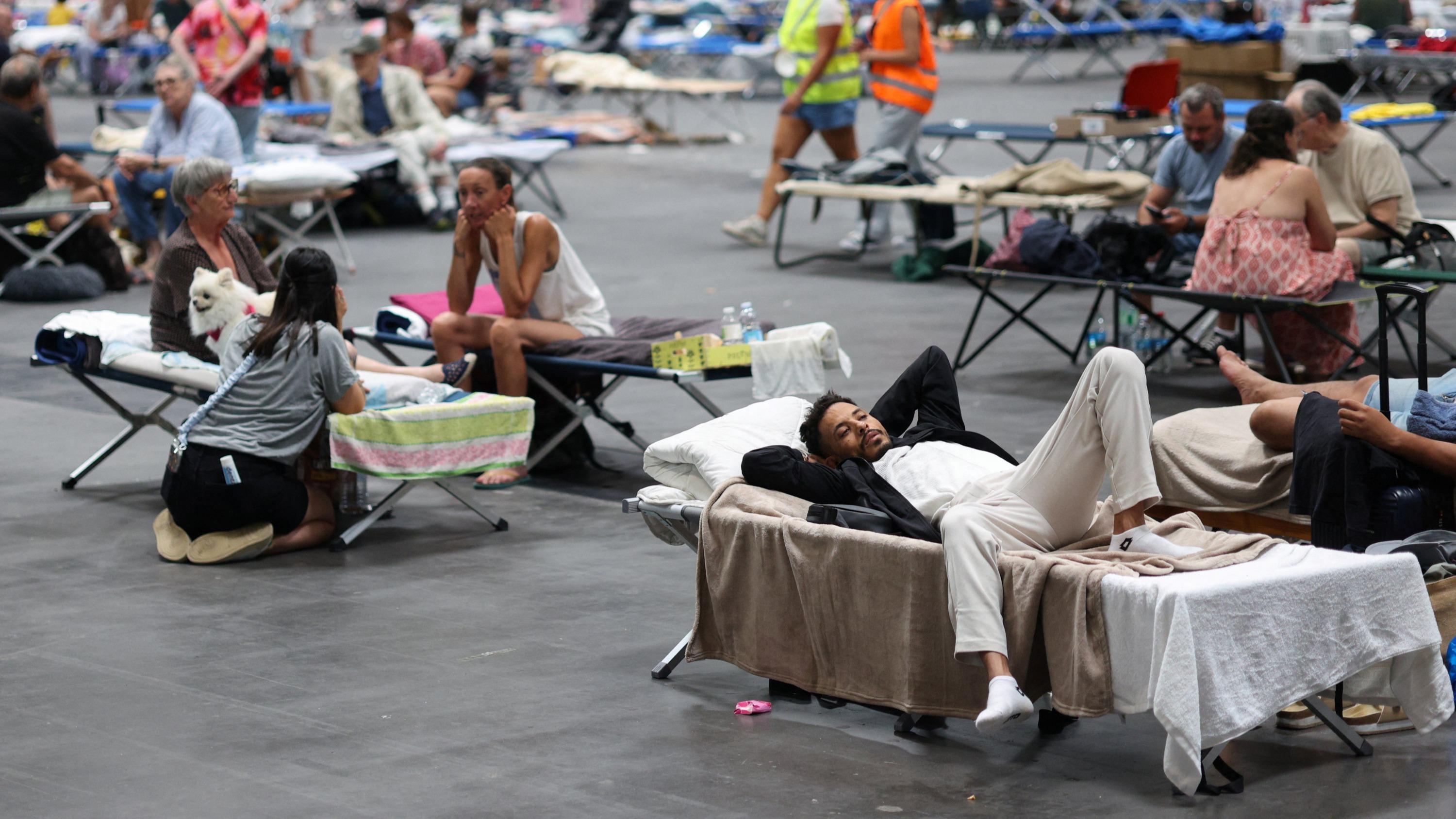
France is experiencing an unprecedented wave of fires, leading to significant psychological trauma for many affected individuals. The fires are causing severe mental health issues, including flashbacks, nightmares, and post-traumatic stress disorder (PTSD). This situation highlights the profound and lasting impact that large-scale natural disasters can have on the mental well-being of communities. As the country grapples with the physical devastation, the long-term psychological consequences are becoming increasingly apparent. The stress and fear associated with experiencing such events can lead to chronic mental health conditions if not addressed promptly. Experts emphasize the need for robust mental health support systems to aid those affected by these traumatic experiences. The scale of these fires necessitates a comprehensive approach to recovery, encompassing both physical rebuilding and psychological healing. The government and relevant organizations are urged to prioritize mental health services for the affected populations to mitigate the long-term effects of this crisis. The ongoing situation underscores the vulnerability of populations to extreme weather events and the critical importance of mental health resilience.
The current wave of unprecedented fires in France is exposing a critical vulnerability in disaster response: the often-underestimated impact on mental health. While physical damage is immediately visible, the psychological toll, manifesting as PTSD, flashbacks, and nightmares, can have enduring consequences. Future disaster preparedness frameworks must integrate robust, accessible mental health support as a core component, not an afterthought. This involves not only immediate crisis intervention but also long-term psychological care. The systemic challenge lies in ensuring equitable access to these services, particularly for marginalized communities who may face additional barriers. Looking ahead, understanding the interplay between climate change-induced extreme weather events and population mental health will be crucial for building more resilient societies capable of withstanding future shocks.
AI-generated to prompt reflection — not editorial opinion, not advice, not a statement of fact. How this works.