Mercedes-Benz Workers Protest Against Extended Work Hours Plan
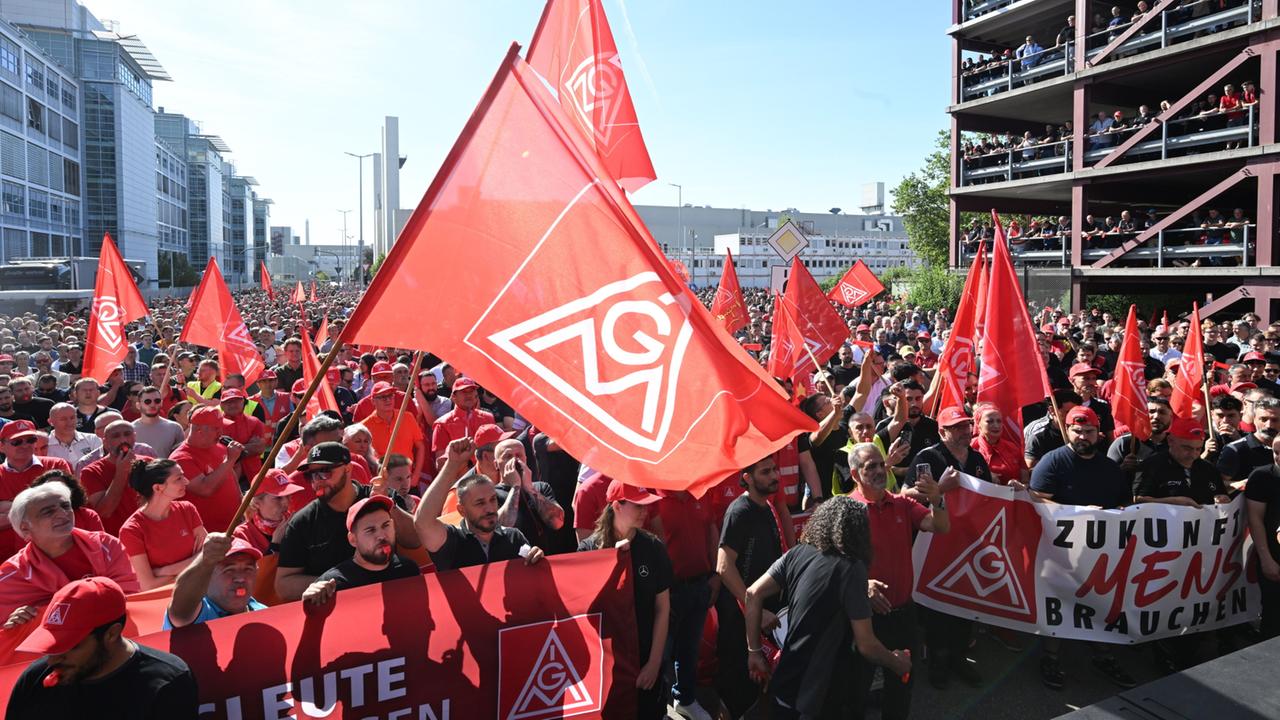
Employees at several Mercedes-Benz plants have demonstrated against cost-cutting measures proposed by the company's management. The protests are primarily focused on a plan to increase the standard workweek from 35 to 40 hours. This proposed change has sparked significant opposition among the workforce, who are voicing their concerns through these public gatherings. The demonstrations highlight a clear division between the company's financial objectives and the employees' desire to maintain current working conditions. It remains to be seen how Mercedes-Benz management will respond to this employee backlash.
The protests at Mercedes-Benz reflect a common tension between corporate efficiency drives and labor's established conditions. Management's push for longer working hours, likely aimed at reducing per-hour labor costs or increasing output without proportional wage increases, directly impacts employee compensation and work-life balance. This situation presents a classic case of divergent incentives: shareholders and management prioritize profitability and competitiveness, while employees prioritize job security and fair compensation for their time. The outcome will likely depend on the company's strategic priorities, the strength of labor unions, and the broader economic climate. Future labor relations may increasingly hinge on balancing technological adoption and automation with the need for a stable, motivated workforce, potentially leading to new models of compensation and flexible work arrangements.
AI-generated to prompt reflection — not editorial opinion, not advice, not a statement of fact. How this works.