Mercedes GLC 400: Electrifying Performance in a Plug-in Hybrid SUV
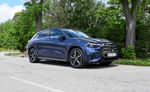
Mercedes-Benz has entered the electric mobility landscape relatively late but is now showcasing impressive performance with its new GLC 400 plug-in hybrid SUV. The vehicle demonstrates a seamless integration of electric and combustion power, as if this technology has always been their core focus. The GLC 400 offers drivers a relaxed and efficient driving experience, leveraging electric power for daily commutes and longer journeys. This model represents a significant step for Mercedes in its commitment to electrification, aiming to blend luxury with sustainable automotive solutions. The new GLC aims to set a benchmark in the premium SUV segment by combining advanced technology with refined driving dynamics. Drivers can expect a sophisticated interior and cutting-edge features that enhance comfort and connectivity. The plug-in hybrid system is designed to provide substantial electric-only range, reducing emissions and fuel consumption. Mercedes is positioning the GLC 400 as a compelling option for consumers seeking a versatile and environmentally conscious vehicle without compromising on performance or luxury. The company's strategy appears to be a focused push towards electrifying its popular models, starting with the robust GLC platform.
Mercedes-Benz's late but strong entry into the plug-in hybrid market with the GLC 400 suggests a strategic pivot driven by evolving regulatory landscapes and consumer demand for sustainable luxury vehicles. The company's ability to integrate this technology so effectively into a core model like the GLC indicates a significant investment in R&D, aiming to capture market share from earlier adopters. This approach highlights a common industry dynamic where established automakers leverage their manufacturing scale and brand loyalty to compete in emerging technological sectors. The challenge ahead will be managing the complexity of hybrid powertrains and charging infrastructure to ensure a consistently positive customer experience, while also navigating the transition towards fully electric vehicles in the coming decade.
AI-generated to prompt reflection — not editorial opinion, not advice, not a statement of fact. How this works.