Merchant Arrested for Allegedly Using Blank Promissory Notes to Sue Customers in Brazil
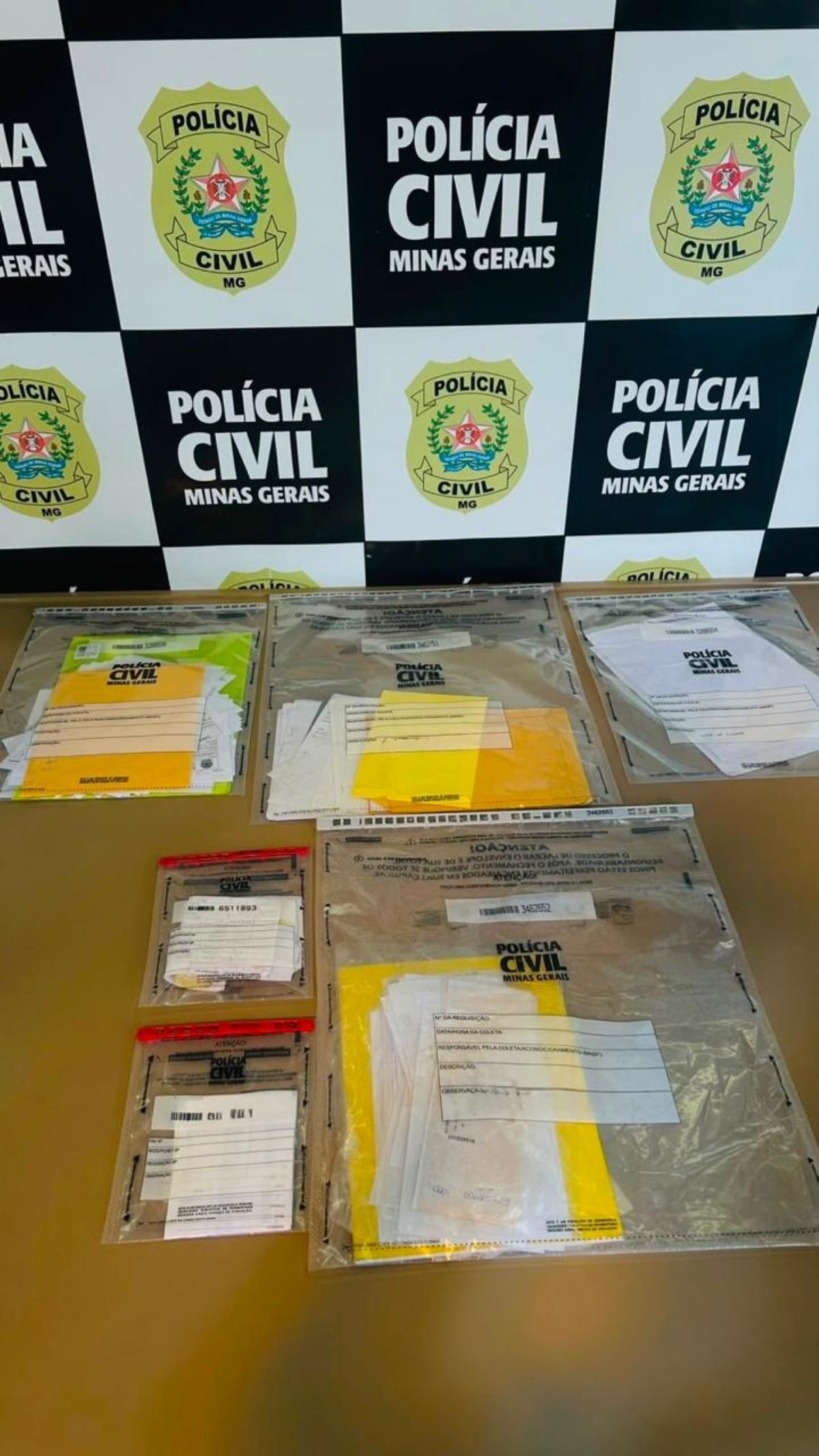
A 52-year-old merchant in Carmo do Cajuru, Brazil, has been arrested on suspicion of defrauding customers. Authorities allege she had clients sign blank promissory notes, which she later filled in with inflated or fabricated debt amounts to pursue legal action. The victims, often vulnerable individuals with low literacy, reportedly only learned of these supposed debts when summoned to court, with no prior out-of-court demands. The merchant, who owned a clothing and home goods store, is under investigation for fraud, private document forgery, loan sharking, and money laundering. Her name has not been released. The Civil Police stated that the scheme exploited the trust between the merchant and her customers, particularly during installment sales. After purchases were completed, sometimes with cash payments directly to the merchant, the signed promissory notes were allegedly not returned. These documents were then reportedly filled with incorrect values and dates before being used in lawsuits. Investigators found discrepancies in handwriting, incorrect victim surnames, and evidence of document manipulation, such as staple marks. During the operation, police seized dozens of promissory notes, many signed but blank, along with customer registration forms, debt confession agreements, and other documents suggesting loan sharking activities. The court has also ordered the seizure of the merchant's assets up to R$100,000 and placed restrictions on her properties to ensure potential compensation for victims. The Civil Police are urging anyone who believes they have been a victim of similar practices in the last six months to report to the Carmo do Cajuru Civil Police Station.
This case highlights systemic vulnerabilities in consumer credit practices, particularly concerning vulnerable populations. The alleged scheme leverages the trust inherent in retail transactions and the legal weight of promissory notes to create debt, potentially exploiting gaps in financial literacy and regulatory oversight. The subsequent legal actions, initiated without prior informal resolution, suggest a pattern designed to overwhelm consumers with judicial processes. Future preventative measures could involve enhanced transparency requirements for such financial instruments, mandatory independent verification of loan terms, and accessible legal aid for consumers facing unexpected debt claims. Examining the efficacy of current consumer protection laws in addressing sophisticated fraud schemes involving financial documents is also warranted.
AI-generated to prompt reflection — not editorial opinion, not advice, not a statement of fact. How this works.