Mercosur-EU Deal's Impact on Uruguay: Public Procurement to SME Internationalization
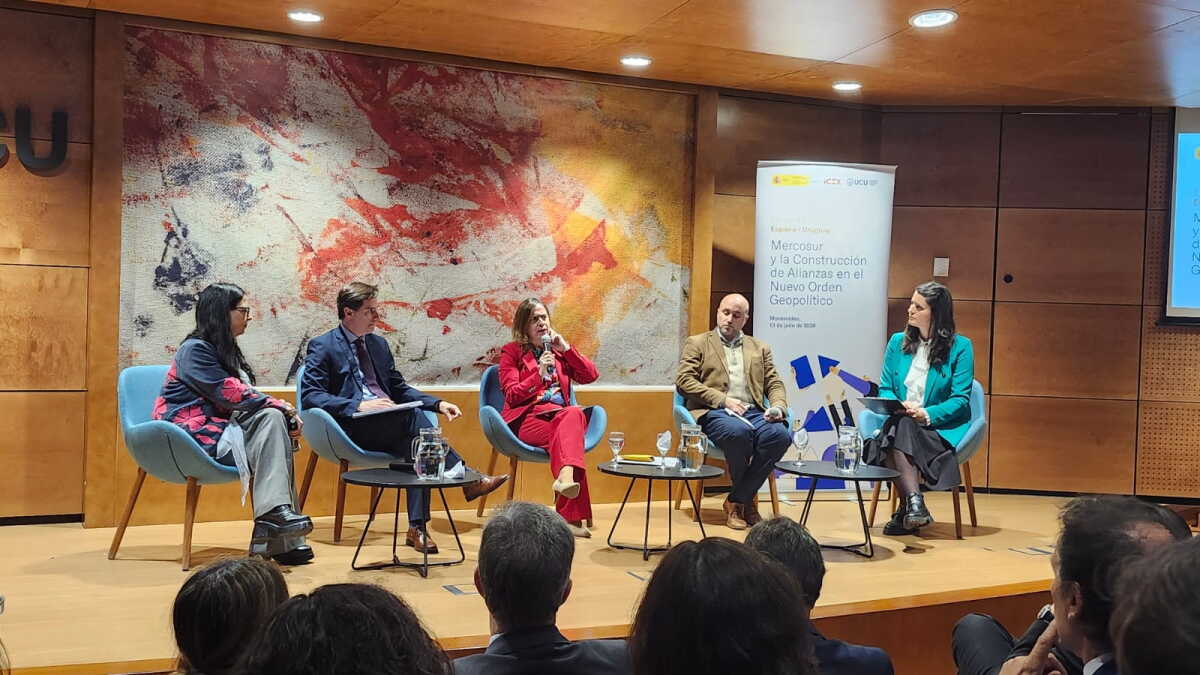
An event featuring experts at the Catholic University of Uruguay initiated a discussion on the future steps of the Mercosur-European Union trade agreement. This pact entered into provisional force in May. The discussions covered a range of implications for Uruguay, including its public procurement processes and the potential for small and medium-sized enterprises (SMEs) to expand internationally. Experts explored how the agreement might reshape opportunities and challenges for Uruguayan businesses. The event aimed to foster a deeper understanding of the accord's multifaceted effects. It highlighted the need for strategic planning to leverage the benefits and mitigate potential drawbacks. The provisional nature of the agreement's implementation means ongoing evaluation and adaptation will be crucial. The focus on public procurement suggests a significant shift in how government contracts might be awarded. The internationalization of SMEs points to a potential boost in export capabilities for smaller Uruguayan firms.
The provisional implementation of the Mercosur-EU agreement necessitates a forward-looking assessment of its systemic impacts. From a governance perspective, the accord's provisions on public procurement may introduce new competitive dynamics and transparency requirements, potentially benefiting both domestic and foreign firms. For Uruguayan SMEs, the agreement could unlock new market access, but success will likely hinge on their ability to navigate regulatory landscapes and meet international standards. The coming years will reveal whether the agreement fosters genuine economic integration or exacerbates existing market asymmetries, particularly in the context of evolving global trade architectures and the increasing influence of digital economies.
AI-generated to prompt reflection — not editorial opinion, not advice, not a statement of fact. How this works.