Mercury's Radiation Belt Shaped by Extreme Space Weather, New Analysis Suggests
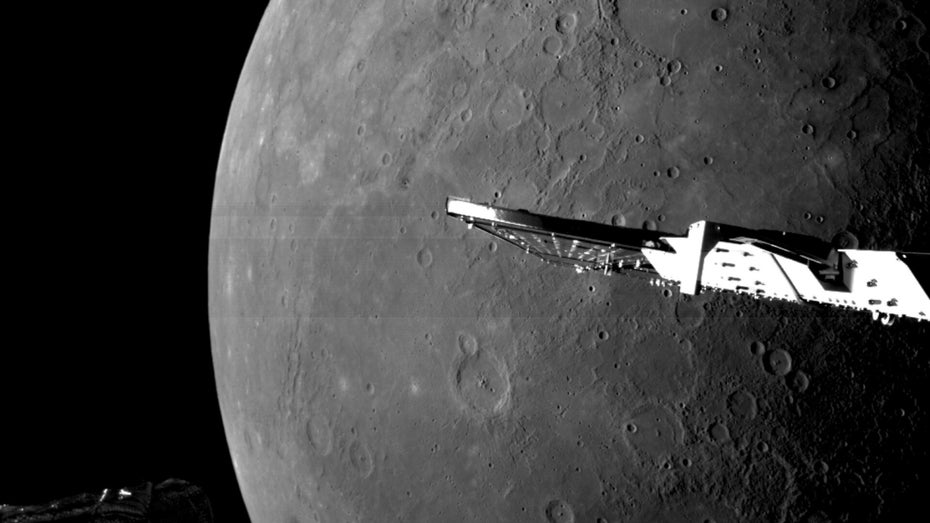
A long-held assumption in planetary science regarding Mercury, the smallest planet in our solar system, is being challenged by a novel analysis of existing measurement data. This new research indicates that extreme space weather conditions play a significant role in shaping the planet's radiation belt. Previously, the understanding of Mercury's magnetosphere and its interaction with solar wind was based on different models. The updated analysis, however, suggests that the dynamic and often harsh environment of space significantly influences the structure and behavior of Mercury's radiation belts. This implies that our understanding of planetary magnetospheres, especially for planets close to their stars, may need to be revised. The findings could have implications for future space missions and our broader comprehension of planetary evolution in extreme cosmic conditions. Further research will likely focus on validating these new insights and exploring their impact on other celestial bodies.
This reevaluation of Mercury's radiation belt formation highlights the dynamic interplay between planetary magnetospheres and extreme space weather. The findings suggest that traditional models may have underestimated the influence of solar activity on planetary environments, particularly for inner solar system bodies. Understanding these forces is crucial for predicting space weather impacts and designing resilient technologies for future space exploration. The research prompts a broader consideration of how stellar radiation and solar wind shape planetary evolution across diverse cosmic settings, emphasizing the need for adaptive scientific models.
AI-generated to prompt reflection — not editorial opinion, not advice, not a statement of fact. How this works.