Mercury's Unusual Radiation Belt Discovered
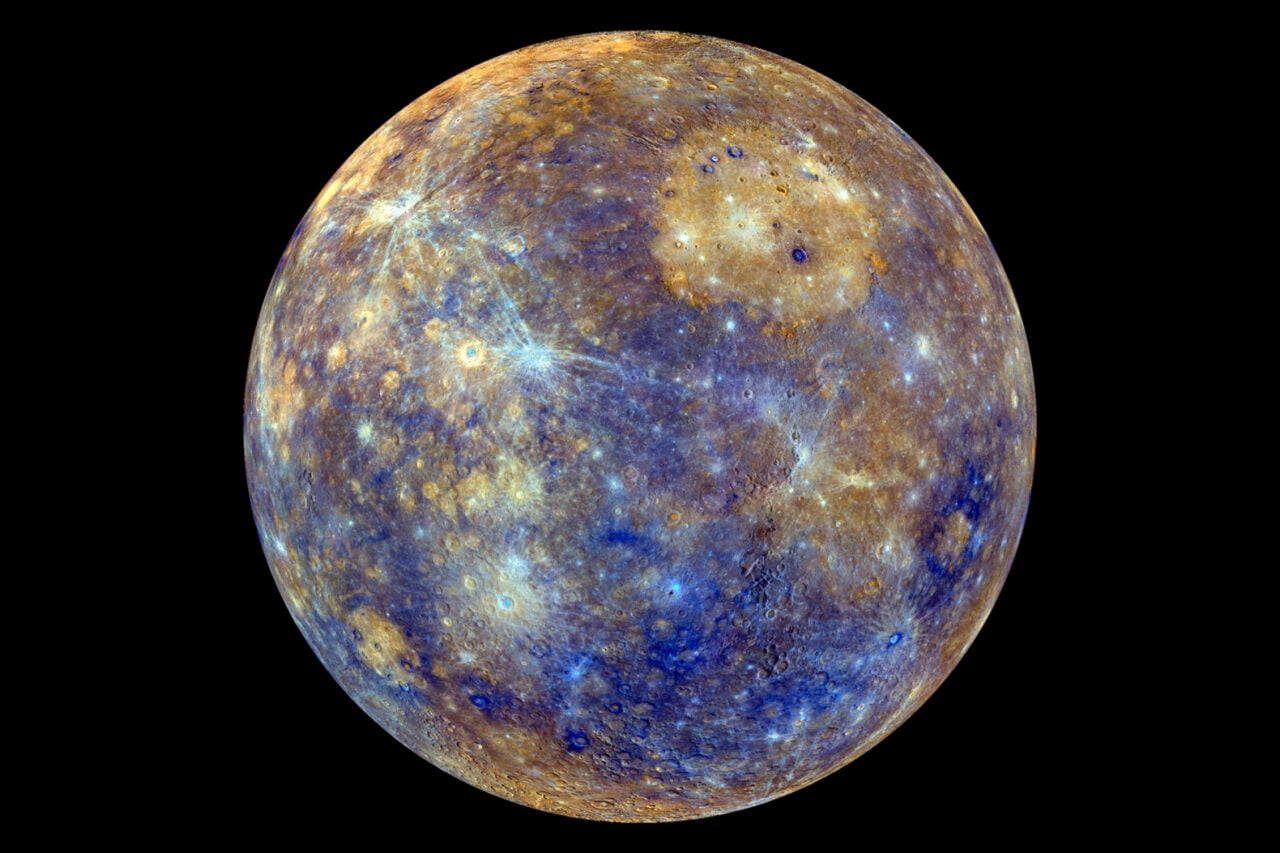
Scientists have confirmed the existence of a radiation belt around Mercury, similar to those found on other planets with magnetic fields. However, this belt is not a permanent fixture; it appears only intermittently. This discovery challenges previous assumptions about planetary magnetospheres and particle trapping mechanisms. The intermittent nature of Mercury's radiation belt suggests a dynamic and complex interaction between the planet's magnetic field and the solar wind. Further research is needed to fully understand the processes responsible for its formation and disappearance. This finding could have implications for our understanding of space weather and its effects on planetary environments, including Mercury's exosphere and surface. The intermittent nature of the belt means that Mercury is not constantly exposed to high levels of radiation in this region, which could influence future exploration missions.
The intermittent nature of Mercury's radiation belt suggests that planetary magnetospheres are more dynamic and less predictable than previously modeled. This variability may stem from complex interactions between solar wind pressure, Mercury's intrinsic magnetic field, and the planet's unique orbital characteristics. Understanding these fluctuations is crucial for accurate space weather forecasting and for assessing the radiation environment for potential robotic or human exploration of Mercury. Future research should focus on identifying the specific triggers and decay mechanisms of this 'wonky' belt to refine our models of magnetospheric physics and planetary habitability in extreme environments.
AI-generated to prompt reflection — not editorial opinion, not advice, not a statement of fact. How this works.