Mercury Visible West of Sun as Sky Gazers Enjoy Bright Moon
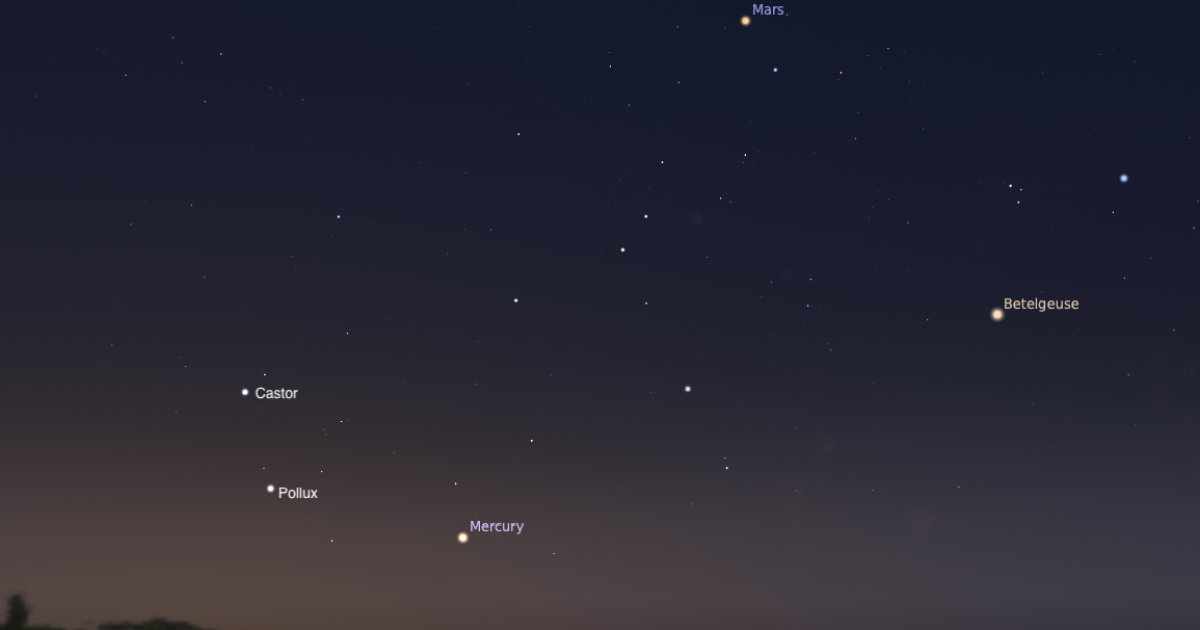
From July 31 to August 7, stargazers can observe Mercury positioned west of the Sun. The week begins on Friday, July 31, with a bright Moon dominating the night sky, which limits observations to brighter celestial objects. Among these is the globular cluster M5 in Serpens, notable for its magnitude 5.6 brightness. M5 is recognized as the brightest globular cluster in the Northern Hemisphere's sky, increasing the likelihood of it being visible to observers. The article, originally published on Astronomy Magazine, highlights these astronomical events for the upcoming week.
This astronomical forecast provides objective information about celestial visibility. The presence of a bright Moon, while beautiful, presents a natural limitation for observing fainter objects, illustrating a common trade-off in observational astronomy. The mention of Mercury's position west of the Sun is a predictable consequence of planetary orbital mechanics. The identification of M5 as the brightest globular cluster in the Northern Hemisphere offers a specific, verifiable target for enthusiasts, demonstrating how astronomical knowledge can guide practical observation. This information serves to educate and engage the public with the predictable cycles of the solar system.
AI-generated to prompt reflection — not editorial opinion, not advice, not a statement of fact. How this works.