Merz Aims for 'Spirit of Ankara' at NATO Summit, Emphasizing European and Transatlantic Ties
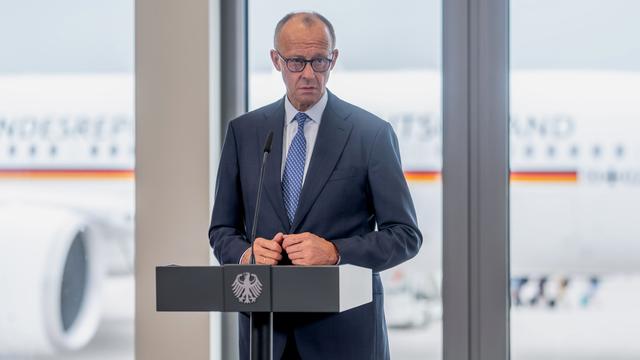
German Chancellor Friedrich Merz intends to foster the "Spirit of Ankara" during the upcoming NATO summit. He views the submarine contract awarded by Canada as a positive development for collective security. Merz's initiative suggests a desire to strengthen both the European pillar and the transatlantic relationship within the alliance. This focus indicates a strategic approach to enhancing NATO's capabilities and cohesion in the current geopolitical landscape. The "Spirit of Ankara" likely refers to a renewed sense of unity and shared purpose among member states. The submarine deal with Canada is seen as a concrete example of this enhanced cooperation. Merz's emphasis on a more European and transatlantic NATO signals a commitment to bolstering the alliance's defense posture. This approach aims to address contemporary security challenges effectively. The summit in Ankara is expected to be a crucial platform for discussing these strategic priorities.
Chancellor Merz's call for a "Spirit of Ankara" and emphasis on European and transatlantic integration within NATO signals a strategic recalibration. This initiative appears designed to bolster alliance cohesion and capability by leveraging shared security interests, exemplified by the Canadian submarine contract. The focus on dual strengthening—European and transatlantic—suggests an effort to balance burden-sharing and strategic autonomy within the alliance framework. Such a move could address evolving global security dynamics by fostering a more robust and adaptable NATO, capable of navigating complex geopolitical challenges over the next decade. The underlying incentive is likely to ensure collective security through enhanced cooperation and resource integration.
AI-generated to prompt reflection — not editorial opinion, not advice, not a statement of fact. How this works.