Messi Misses Penalty, Yet Argentina Prevails: A Recurring World Cup Narrative
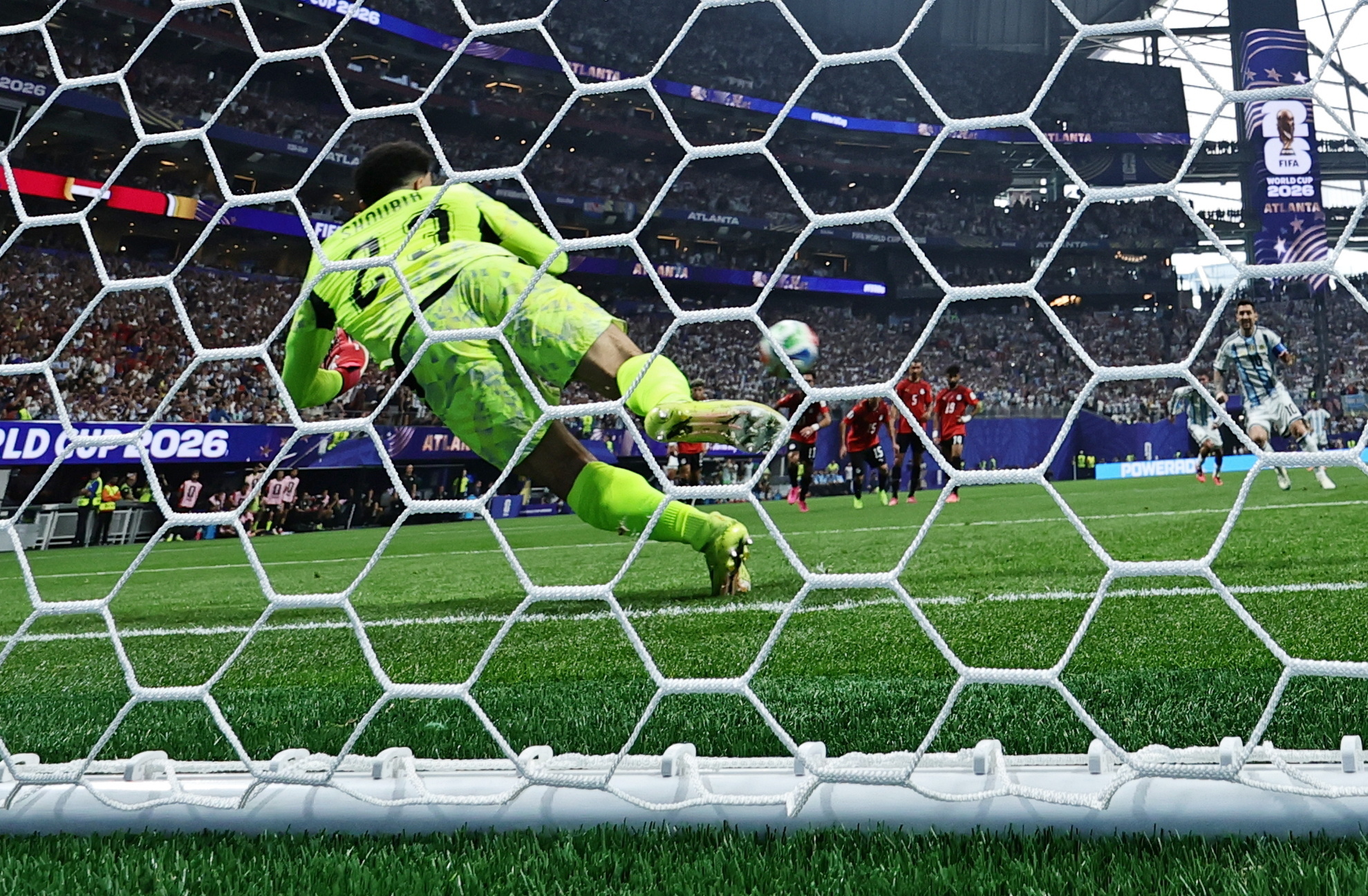
Lionel Messi missed a penalty kick during a World Cup match, a situation that has now occurred in the 2018, 2022, and this latest tournament. Despite the setback, the Argentinian team managed to overcome the deficit and secure a victory. This recurring pattern suggests a resilience within the squad that allows them to perform even after individual errors. The specific match against Egypt saw Argentina's ability to adapt and succeed despite Messi's missed opportunity. This event adds another chapter to the curious history of Argentina's World Cup campaigns, highlighting their capacity to rally and win under pressure. The team's performance demonstrates a collective strength that can compensate for individual missteps on the field. This remarkable comeback against Egypt reinforces Argentina's reputation for tenacity in major international competitions. The narrative of Messi missing a penalty but Argentina still winning is becoming a notable subplot in their World Cup history.
The recurrence of Lionel Messi missing a penalty, yet Argentina securing a win, highlights a fascinating dynamic of team resilience versus individual performance pressure in high-stakes football. This pattern suggests that while star players face intense scrutiny and potential errors, the broader team structure and collective strategy can absorb these moments. It raises questions about the psychological impact of repeated penalty misses on a key player and the team's ability to mentally reset and refocus. From a strategic perspective, it underscores the importance of robust team play and contingency planning, ensuring that the team's success is not solely dependent on one individual's flawless execution. Looking ahead, this narrative could influence future training methodologies, focusing on both individual skill refinement and collective psychological fortitude to navigate the inevitable pressures of elite competition.
AI-generated to prompt reflection — not editorial opinion, not advice, not a statement of fact. How this works.