Messi's Career Nearly Ended by Rare Hormone Disorder
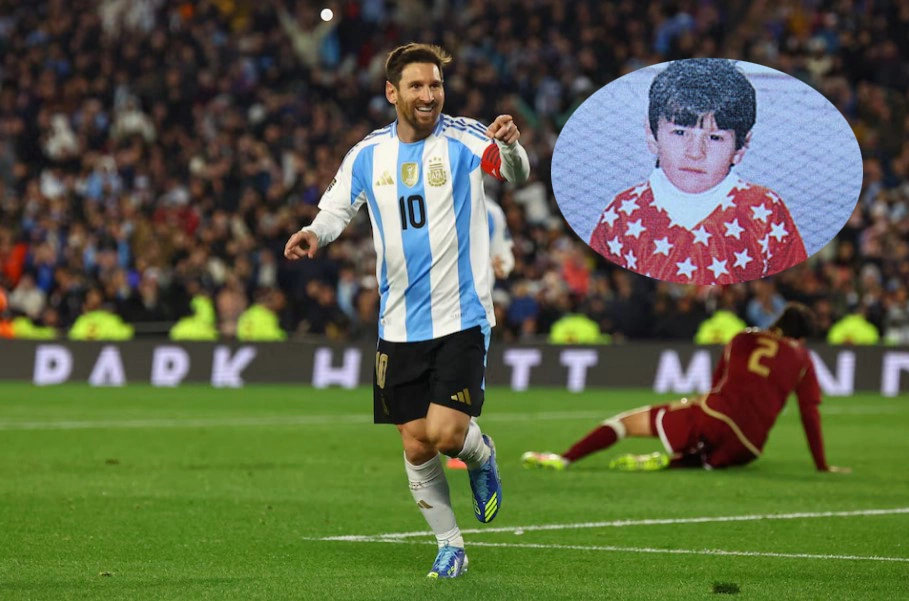
Lionel Messi's legendary football career was once on the brink of collapse due to a rare endocrine disorder. Before achieving global superstardom, the Argentine player faced a significant health challenge that threatened to derail his aspirations. This condition, a type of hormonal imbalance, required specialized medical intervention. The disorder impacted his physical development, making it difficult for him to pursue his passion for football at a professional level. The severity of the condition necessitated a treatment plan that was both costly and complex. Fortunately, interventions were put in place to manage his condition. This allowed him to continue his development and eventually fulfill his immense potential. The successful management of this rare illness was a critical turning point in his journey to becoming one of the greatest footballers of all time. His ability to overcome this adversity highlights his resilience and determination from a young age.
The narrative surrounding Lionel Messi's early career highlights the critical intersection of individual talent, medical intervention, and financial resources in enabling athletic success. The successful management of his rare endocrine disorder underscores the importance of accessible and effective healthcare systems for nurturing potential, particularly in elite sports. This case implicitly raises questions about equitable opportunities for young athletes facing similar health challenges but lacking the necessary support. Looking forward, advancements in medical diagnostics and personalized treatment plans, driven by AI and biotechnology, may further mitigate such career-threatening conditions, potentially democratizing access to high-level sports development.
AI-generated to prompt reflection — not editorial opinion, not advice, not a statement of fact. How this works.