Messi's Final World Cup Test: Aiming for Greatest Ever Status
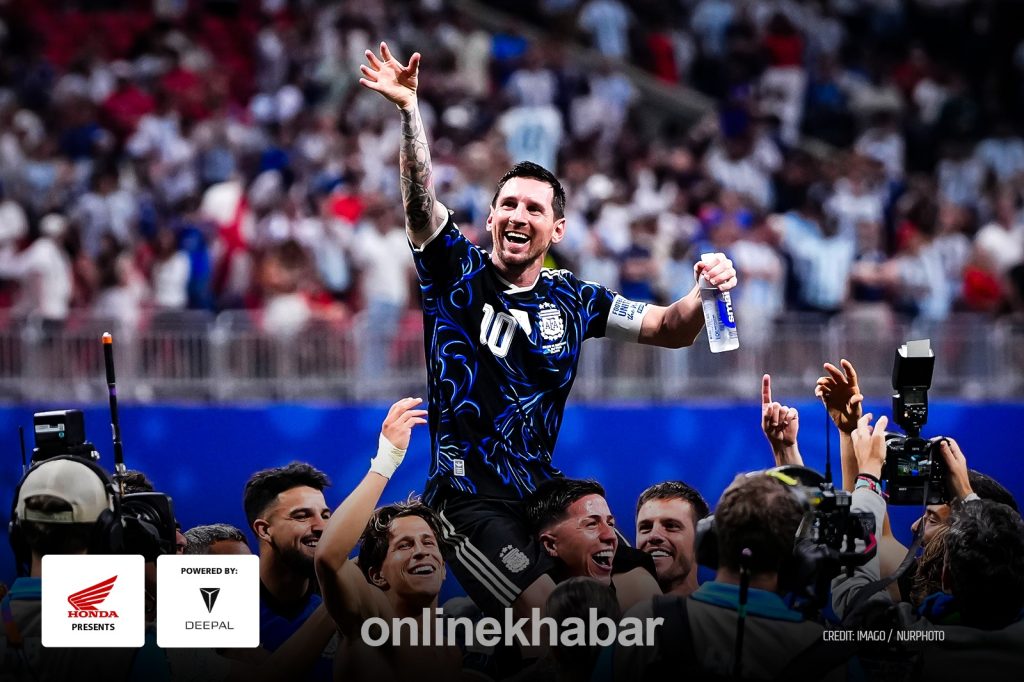
Lionel Messi fulfilled his lifelong World Cup dream four years ago in Qatar, leading Argentina to their first title in 36 years and securing the biggest trophy remaining in his illustrious career. Many believed this victory marked the definitive end of his professional journey. However, the upcoming 2026 World Cup presents a new chapter for the legendary footballer. At the age of 39, Captain Messi is reportedly preparing to compete again, aiming to solidify his legacy as the greatest player in history. This potential participation signifies a remarkable commitment to the sport, defying conventional expectations for athletes at such an advanced stage of their careers. His continued presence on the international stage underscores his enduring passion and drive for excellence. The narrative surrounding Messi's potential final World Cup appearance is already generating significant global attention.
Lionel Messi's potential participation in the 2026 World Cup at age 39 presents a fascinating case study in athlete longevity and the pursuit of legacy. From a systems perspective, his sustained elite performance challenges traditional models of athletic decline, prompting a re-evaluation of training, recovery, and psychological endurance in professional sports. This decision also highlights the powerful influence of individual motivation and the potential for athletes to redefine career timelines, particularly in the context of global sporting events that offer unparalleled platforms for historical achievement. The economic and cultural impact of such a prominent figure continuing to compete, even in a potentially diminished capacity, is significant, influencing fan engagement, sponsorship, and the broader narrative of the sport itself.
AI-generated to prompt reflection — not editorial opinion, not advice, not a statement of fact. How this works.