Messi's Last Dance Frustrated: Misses Out on Top Scorer, Most Goals, and Consecutive Wins
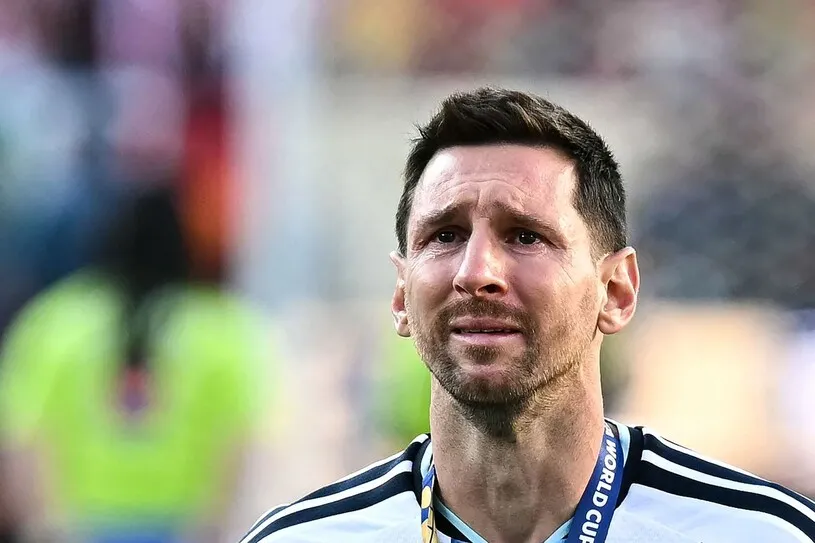
Lionel Messi's final appearance in the tournament, often referred to as his 'last dance,' ended in disappointment as he failed to achieve several key objectives. He was unable to secure the top scorer title, nor did he set a new record for most goals scored. Furthermore, his team was prevented from achieving a second consecutive championship victory. The emotional weight of these unfulfilled goals was evident, with Messi reportedly experiencing tears during this significant moment in his career. This outcome marks a poignant end to his participation in this particular competition, leaving him short of personal and team accolades he may have aimed for in his farewell performance.
This event highlights the intense pressure and high stakes inherent in elite professional sports, particularly for globally recognized athletes like Lionel Messi. The narrative of a 'last dance' often amplifies expectations, creating a scenario where even a strong performance can feel like a loss if specific, high-profile targets are not met. From a systems perspective, the competitive structure of such tournaments, combined with the immense public and media scrutiny, can lead to outcomes that are emotionally charged. Future iterations of such events might consider how to better frame and celebrate athlete participation and effort, irrespective of whether every individual or team objective is achieved, thereby fostering a more balanced perspective on success and legacy.
AI-generated to prompt reflection — not editorial opinion, not advice, not a statement of fact. How this works.