Messi's Leadership: From Passarella's Authority to Maradona's Charisma, a Young Squad Embraced La Pulga's Influence
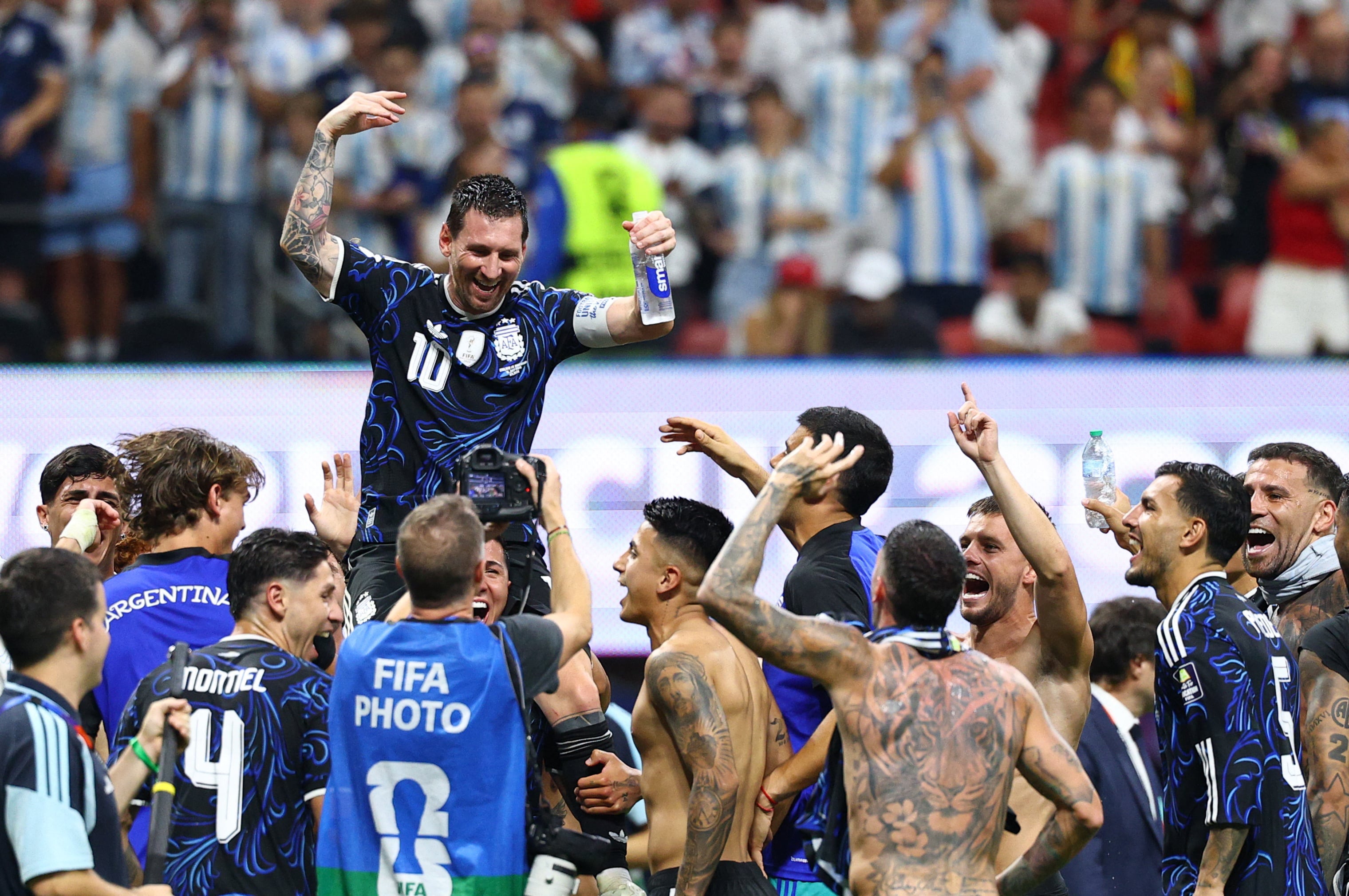
Similar to Diego Maradona's impact in the 1986 World Cup, Lionel Messi, known as 'La Pulga,' required a supportive environment to fully exert his leadership both on and off the field. This conducive atmosphere ultimately led to a significant achievement: 15 goals across Messi's last two World Cup appearances. The article suggests that the team's younger players were particularly receptive to Messi's influence, allowing him to command respect and inspire performance. This dynamic highlights the importance of team cohesion and the right conditions for a star player to thrive and lead effectively. The comparison to Maradona's legendary status in 1986 underscores the historical parallels in how football icons can shape team dynamics and achieve monumental success.
The narrative framing of Messi's leadership, drawing parallels to Maradona, emphasizes the critical role of environmental factors and team dynamics in unlocking a star player's potential. This perspective suggests that individual brilliance is often amplified or constrained by the collective structure and supportive infrastructure provided by coaches, teammates, and management. The success described, measured by 15 goals in two World Cups, illustrates how a well-orchestrated team environment can foster peak performance, moving beyond a sole focus on individual talent. Future footballing strategies may increasingly prioritize building such synergistic team ecosystems, recognizing that the 'Maradona effect' or 'Messi effect' is not solely innate but also a product of deliberate organizational design and positive team psychology.
AI-generated to prompt reflection — not editorial opinion, not advice, not a statement of fact. How this works.