Messi's World Cup Journey: From Tears to Triumph Over Two Decades
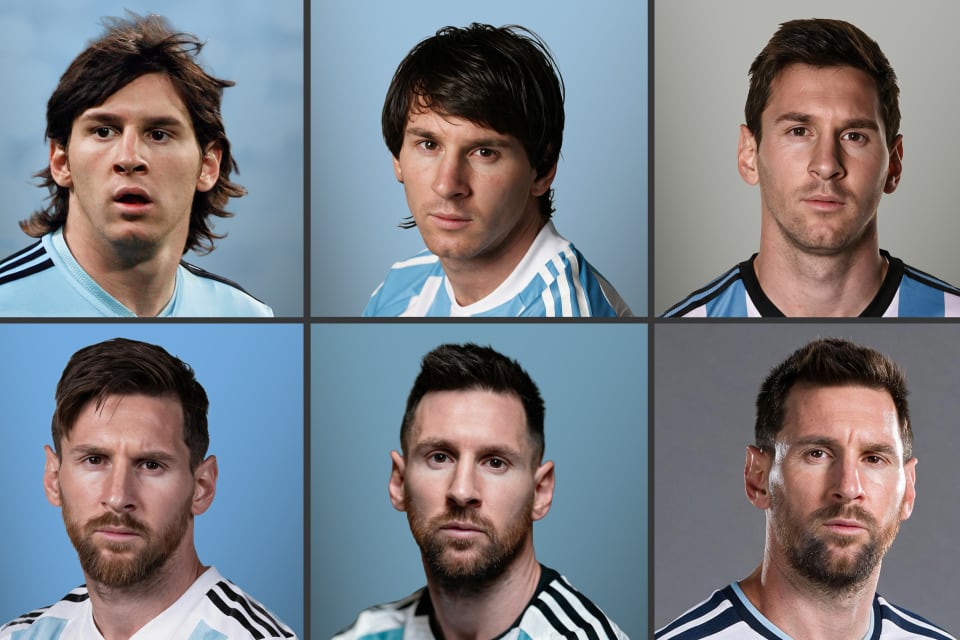
Lionel Messi's World Cup career, spanning 20 years and six tournaments, was marked by profound emotional highs and lows before culminating in ultimate glory. His journey began with the disappointment of the 2006 tournament, where he was an unused substitute in the final. The 2010 World Cup in South Africa saw Argentina eliminated in the quarterfinals by Germany, a recurring theme in Messi's early campaigns. The 2014 World Cup in Brazil, however, brought Messi agonizingly close to the title, with Argentina reaching the final only to lose 1-0 to Germany after extra time, a defeat that deeply affected him. Four years later, in Russia 2018, Argentina's struggles continued, exiting in the Round of 16 after a dramatic loss to France. The 2022 World Cup in Qatar represented the final chapter of this epic narrative. After a strong start, Argentina faced a surprising defeat to Saudi Arabia in their opening match, only to rally and ultimately defeat France in a thrilling final. This victory, achieved after numerous setbacks and immense pressure, cemented Messi's legacy as one of the greatest footballers of all time, transforming years of frustration and tears into unparalleled triumph.
Lionel Messi's prolonged pursuit of a World Cup title illustrates the immense psychological pressure and performance expectations placed upon elite athletes, particularly in globally followed sports. The narrative arc, from early promise through significant setbacks to eventual victory, highlights the role of resilience and adaptation in achieving long-term goals. This journey underscores how individual performance is intertwined with team dynamics, coaching strategies, and the evolving competitive landscape over multiple tournament cycles. As football continues to integrate advanced analytics and player development, future athletes will face similar, yet potentially amplified, pressures to perform on the world stage, necessitating robust mental fortitude and strategic team building.
AI-generated to prompt reflection — not editorial opinion, not advice, not a statement of fact. How this works.