Meta Fined $1.4 Trillion for Allegedly Making Children Addicted
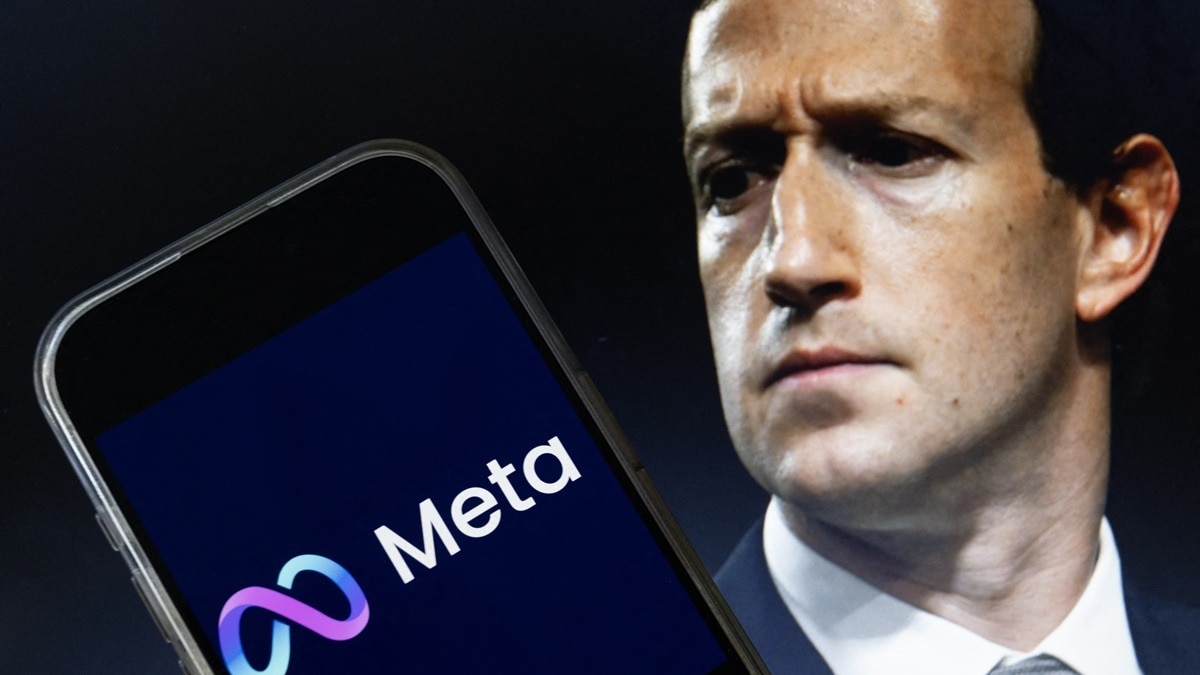
American company Meta has been fined $1.4 trillion, a penalty nearly equivalent to its market valuation of $1.5 trillion. The specific details of the case leading to this substantial fine are not provided in the source material. This significant financial penalty raises questions about the company's practices and their impact, particularly concerning younger users. The source indicates that the accusation revolves around Meta's alleged role in making children addicted to its platforms. Further investigation into the specifics of the allegations and the legal proceedings would be necessary to understand the full context of this massive fine. The sheer scale of the penalty suggests a severe judgment against the company's operations or policies. It is important to note that the provided text does not elaborate on the jurisdiction or the specific platforms involved in this case. The implications for Meta's future operations and its user base, especially minors, are potentially profound.
The imposition of a $1.4 trillion fine on Meta, a sum approaching its total market valuation, signals a potentially seismic regulatory event. Such a penalty, if upheld, would reflect a severe judgment on the company's platform design and its impact on vulnerable user groups, specifically children. This situation highlights the growing tension between technology giants' business models, which often rely on maximizing user engagement, and societal concerns regarding mental health and addiction, particularly among minors. Future regulatory frameworks may need to address algorithmic accountability and the ethical responsibilities of platforms in shaping user behavior. The long-term implications could involve stricter design standards, enhanced age verification protocols, and a re-evaluation of engagement-driven revenue models in the digital age.
AI-generated to prompt reflection — not editorial opinion, not advice, not a statement of fact. How this works.