Meta Introduces AI-Proof Verification for Real Facebook Users
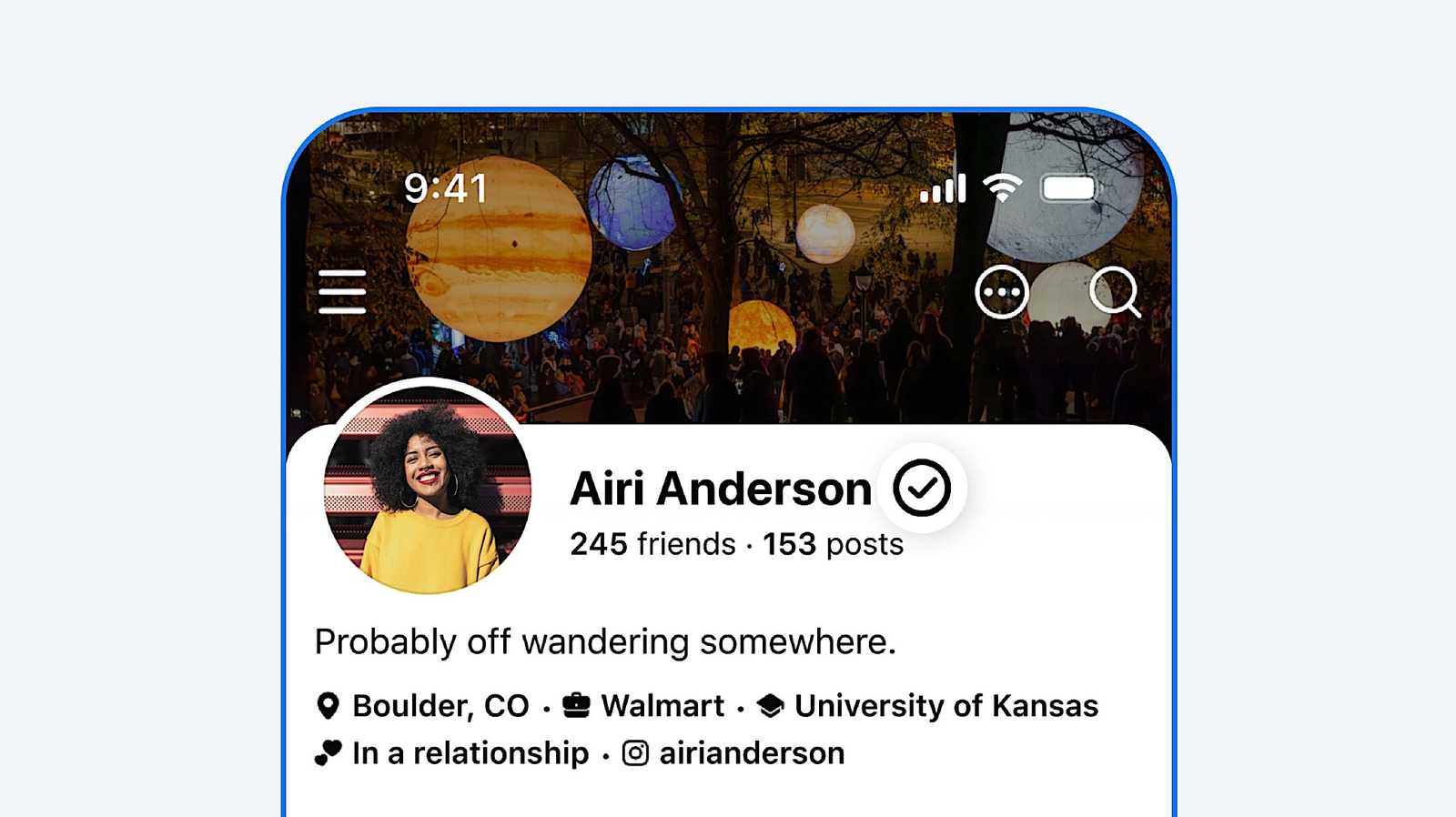
Meta is rolling out a new verification system for Facebook users aimed at combating the rise of AI-generated scams. The new process requires users to submit a selfie video, which Meta claims will help confirm that the account belongs to an actual, real human being. This initiative seeks to differentiate legitimate users from fraudulent accounts that may be created or operated using advanced generative artificial intelligence technologies. The company hopes this measure will enhance user trust and security on the platform by making it more difficult for malicious actors to impersonate individuals or spread misinformation. The selfie video verification is designed to be a robust defense against increasingly sophisticated AI-driven manipulation tactics. This move by Meta underscores the growing challenges platforms face in maintaining authenticity in the age of AI. Further details on the rollout and specific technical implementation are expected.
The introduction of selfie-video verification by Meta represents a strategic response to the evolving threat landscape posed by generative AI. By requiring a biometric confirmation, Meta aims to establish a more robust identity verification layer, potentially increasing the cost and complexity for bad actors attempting to scale fraudulent operations. This approach highlights a broader industry challenge: balancing platform security and user privacy with the need for accessible and user-friendly authentication methods. The long-term effectiveness will depend on the system's resilience against sophisticated AI spoofing techniques and its scalability across Meta's vast user base. Future iterations may need to incorporate multi-factor authentication or decentralized identity solutions to stay ahead of emergent AI capabilities.
AI-generated to prompt reflection — not editorial opinion, not advice, not a statement of fact. How this works.