Meta's AI can create deepfakes from Instagram photos; here's how to opt out
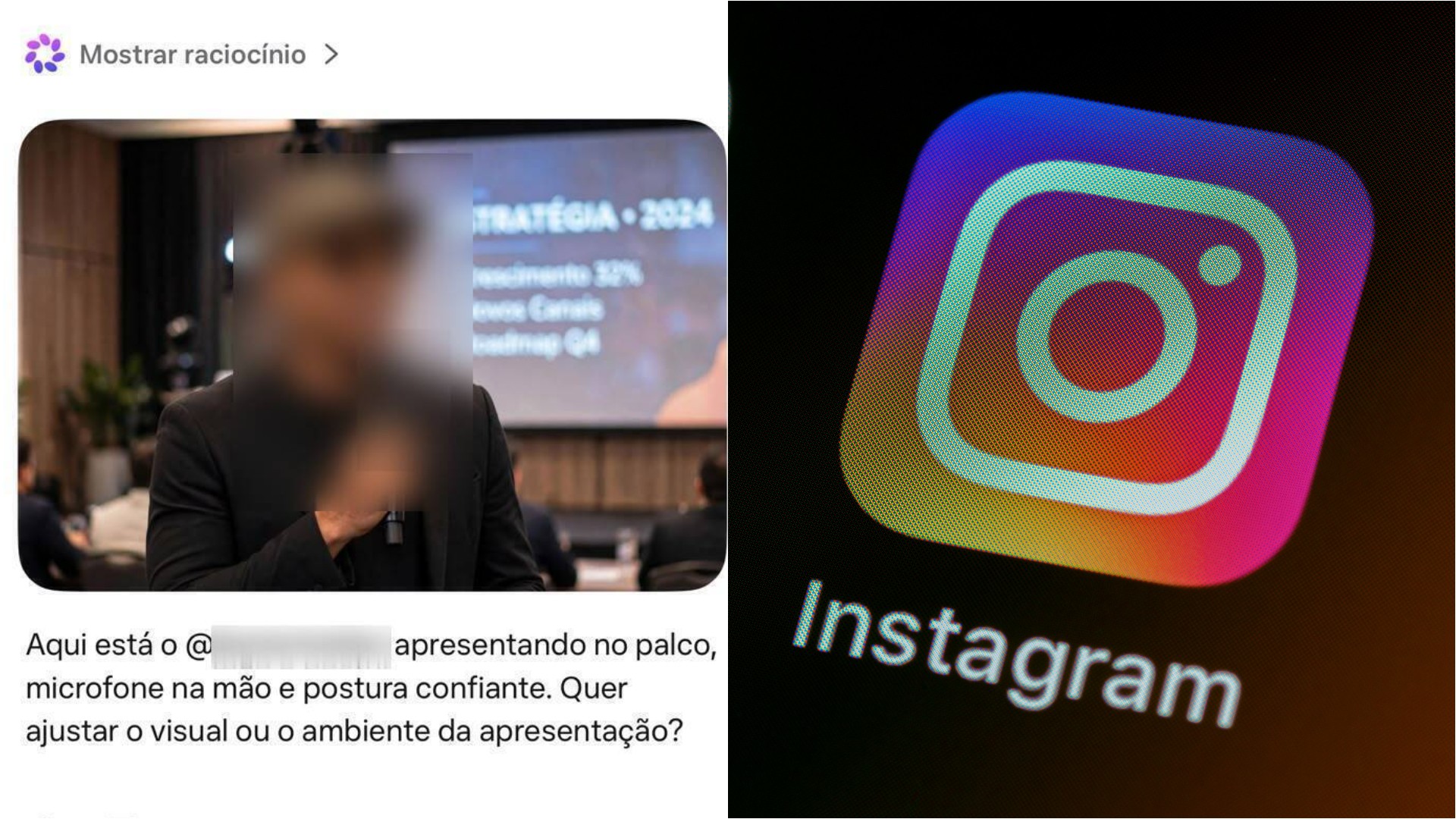
Meta has launched its first AI image generator, Muse Image, developed by its super AI team. This tool, which is enabled by default, can be used on Instagram, WhatsApp, and the Meta AI chatbot, with plans to expand to Facebook and Messenger soon. The technology allows third parties to create deepfakes using public photos from Instagram. During testing by g1, the AI could generate deepfakes of individuals simply by mentioning their Instagram handle (@), often automatically identifying their profile or even searching for their photos on Google. Meta stated that it may use public posts from its social networks for AI image generation, asserting that users have control and can disable this feature at any time through a simple setting. The company claims that users can "mention a friend with @ in the Meta AI app to bring them into your creation, share directly to your story or chat group, or remix what's trending." Testing with private accounts indicated that image creation was blocked. G1 has contacted Meta for comment on potential misuse of the tool and is awaiting a response. To prevent your public content from being used by Meta AI, users can navigate to their profile, access the menu, select "Sharing and reuse" under "How others can interact with you," and then uncheck "Posts" and "Reels" under the option "Allow people to reuse your content on Instagram and with Meta AI features." Digital law expert Patrícia Peck warned that Meta's decision to allow the use of public Instagram images for AI creations indicates a rush into AI development without adequate consideration for ethical, governance, security, and user safety concerns. Peck suggested that if Meta's AI causes harm and it's proven that protective measures could have been implemented but were not due to haste, it could be considered recklessness.
Meta's new AI image generation tool, Muse Image, raises significant questions about data privacy and the ethical deployment of generative AI. While Meta asserts user control through opt-out settings, the default activation and the AI's ability to source images beyond explicit user consent, even from public Instagram profiles, highlight a tension between platform utility and individual digital autonomy. The tool's functionality, which allows for the creation of deepfakes from publicly available data, necessitates robust safeguards against misuse, particularly concerning reputational harm and misinformation. The legal and ethical implications, as noted by digital law experts, suggest that rapid AI development must be balanced with proactive governance and risk mitigation to prevent potential harms, underscoring the need for clear accountability frameworks in the evolving AI landscape.
AI-generated to prompt reflection — not editorial opinion, not advice, not a statement of fact. How this works.