Meta's Smart Glasses Face Scrutiny Over Privacy, AI Training, and Manipulation Concerns
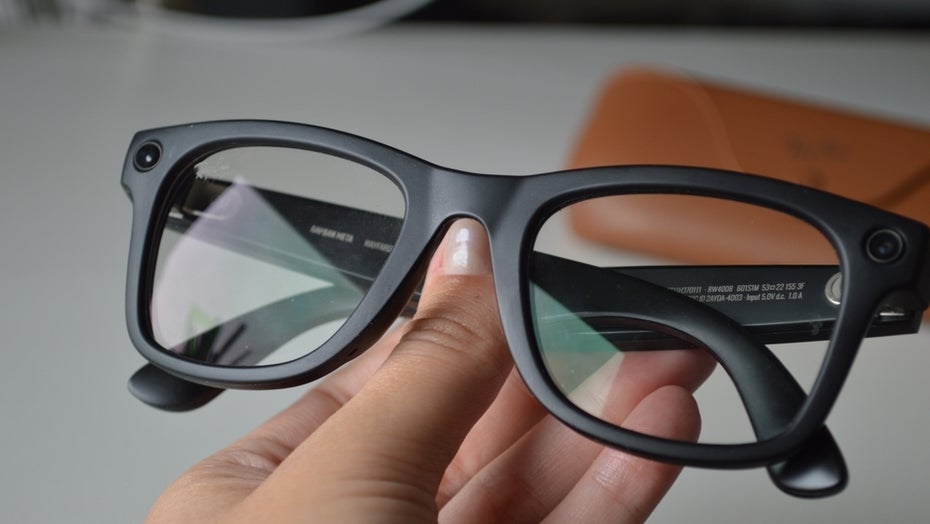
The initial excitement surrounding Meta's smart glasses has significantly diminished, with even early adopters now hesitant to use the devices in public. This reluctance stems from growing concerns about data privacy and the potential for misuse of the technology. Users are increasingly worried about how their data is being collected and processed, particularly in relation to artificial intelligence training. The possibility of manipulation through these devices further fuels public apprehension. These issues have created a substantial image problem for Meta's smart glasses, impacting their adoption and public perception. The company faces a challenge in rebuilding trust and addressing the ethical implications of its wearable technology. The ongoing debate highlights the tension between technological innovation and individual privacy rights in the development of smart devices. As the technology evolves, so too do the questions surrounding its responsible deployment and societal impact.
Meta's smart glasses, once a symbol of wearable innovation, now confront significant public trust deficits. The core tension lies between the utility of advanced data collection for AI development and user privacy expectations. As these devices gather extensive personal data, the potential for misuse, whether intentional or through security vulnerabilities, raises valid concerns about surveillance and manipulation. The company must navigate a complex landscape where technological advancement must be balanced with robust ethical frameworks and transparent data governance. Future success will likely hinge on Meta's ability to demonstrably safeguard user data and clearly articulate the benefits and safeguards associated with its AI training methodologies, thereby fostering a more secure and trustworthy user experience.
AI-generated to prompt reflection — not editorial opinion, not advice, not a statement of fact. How this works.