Meta's Smart Glasses Raise Privacy Concerns Over Constant Recording
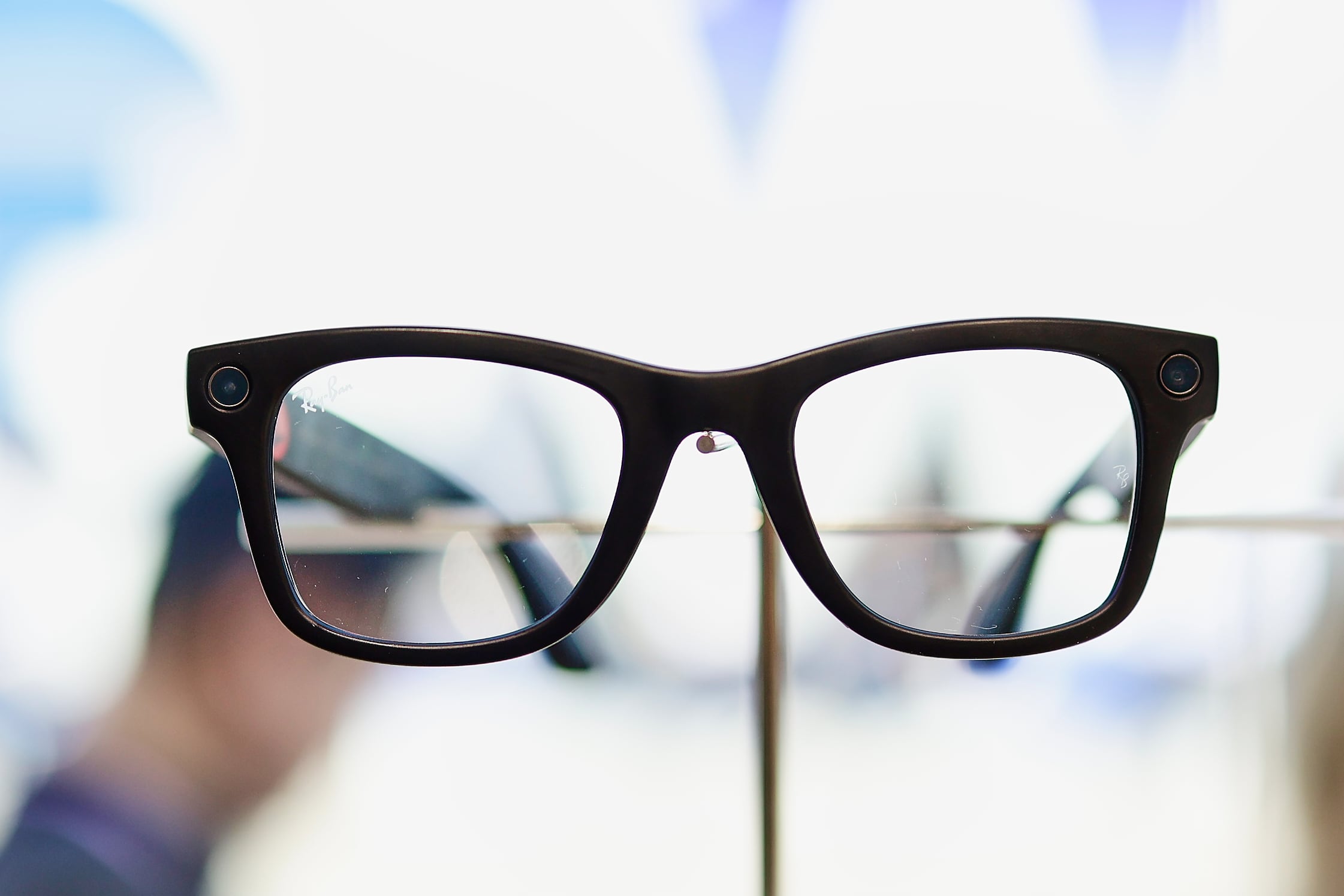
The increasing sales of smart glasses, which are equipped with small cameras, are sparking growing opposition due to their potential for illicit use. This concern is particularly amplified regarding the implications for women's privacy. The ability to constantly record and share content raises significant ethical and security questions. As the technology becomes more widespread, debates are intensifying about the need for robust regulations to prevent misuse. The core issue revolves around the potential for these devices to infringe upon personal privacy and create an environment where individuals feel constantly surveilled. The widespread adoption of such technology necessitates a serious discussion about digital consent and the boundaries of public and private spaces. The implications extend beyond individual privacy, touching upon broader societal norms and the potential for misuse in public and private settings.
The proliferation of wearable cameras, such as Meta's smart glasses, presents a complex challenge at the intersection of technological advancement and personal privacy. The inherent capability for continuous recording and immediate sharing shifts the paradigm of data capture, potentially eroding established norms of consent and anonymity. From a societal perspective, the widespread adoption of such devices necessitates a re-evaluation of public space boundaries and the expectations of privacy within them. Future regulatory frameworks will likely need to address issues of data ownership, consent mechanisms, and the ethical implications of pervasive surveillance technologies to foster a balance between innovation and individual rights. The long-term impact on social interactions and trust dynamics remains a critical area for observation and policy development.
AI-generated to prompt reflection — not editorial opinion, not advice, not a statement of fact. How this works.