Meta Unveils Muse Image, First AI Image Generator from Superintelligence Labs
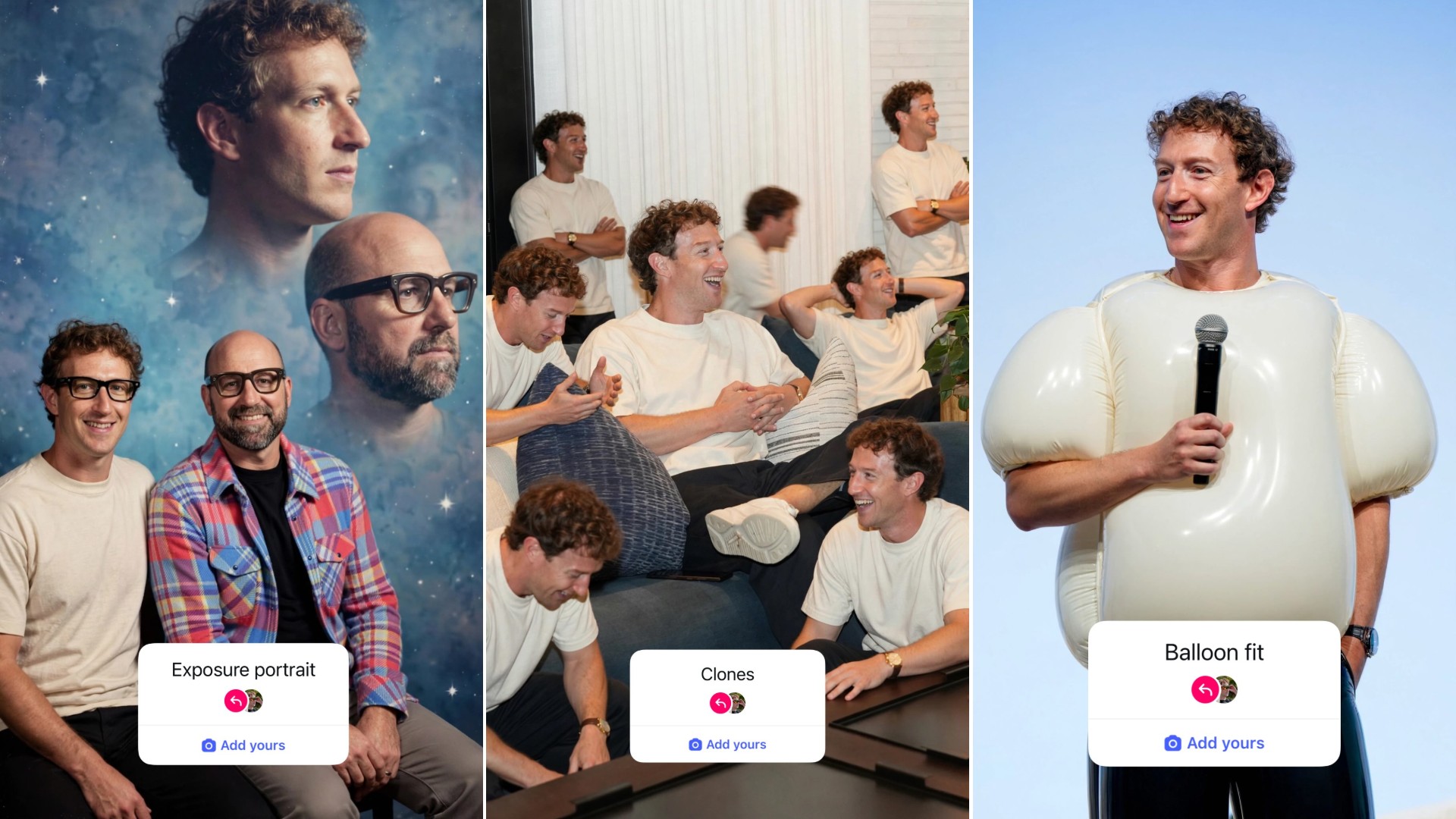
Meta has launched Muse Image, its first AI-powered image generator developed by the Meta Superintelligence Labs division. This new tool allows users to incorporate over 30 AI effects into Instagram Stories photos and generate images within conversations on WhatsApp via Meta AI. CEO Mark Zuckerberg announced the model, sharing examples of its capabilities, including creating "clones" of himself and generating images with specific prompts. Muse Image can use public Instagram accounts as reference points for image generation, with Meta stating that public photos can expedite this process. Users will have control over whether their profile content can be used for AI image creation, and they can provide drawings or comments to guide edits. This release marks a significant step for the Superintelligence Labs, which previously introduced Muse Spark for complex reasoning. The division, led by Alex Wang, was established through a substantial $14.3 billion agreement and attracts top AI talent with lucrative compensation packages. Muse Image will initially roll out in select countries before a wider global expansion, with future integrations planned for Facebook and Messenger.
Meta's introduction of Muse Image signifies a strategic push into generative AI capabilities directly integrated into its social platforms. The company's investment in its Superintelligence Labs, highlighted by the substantial acquisition and high compensation for talent, underscores a commitment to advancing AI research and product development. By enabling users to create and modify images within existing social contexts like Instagram Stories and WhatsApp, Meta aims to enhance user engagement and potentially unlock new avenues for content creation and monetization. The emphasis on user control over data usage for AI generation addresses growing privacy concerns, though the practical implementation and enforcement of these controls will be crucial for public trust. As generative AI tools become more sophisticated and accessible, their impact on digital content creation, authenticity, and the potential for misuse warrants ongoing scrutiny. The competitive landscape for AI development suggests a race to embed these powerful tools across consumer-facing applications, shaping future digital interactions and economies.
AI-generated to prompt reflection — not editorial opinion, not advice, not a statement of fact. How this works.