Metapoetic Horror: The Culture vs. Nature Dichotomy in 2000s Cinema
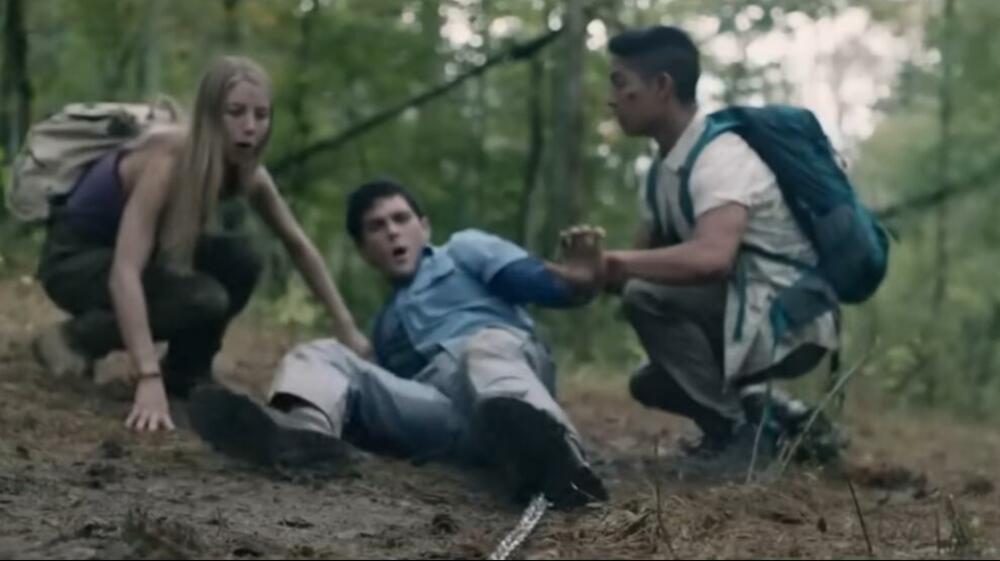
The first decade of the new millennium saw a continuation of horror narratives that dramatized the dichotomy between culture and nature. These terrifying plots confirmed their broad and indicative horror intonation. This trend highlights a persistent fascination within the genre for exploring the tensions that arise when human constructs clash with the natural world. The chosen themes reflect anxieties about societal development and its impact on the environment. The films of this era often used these conflicts to create suspense and explore deeper philosophical questions about humanity's place in the ecosystem. The enduring appeal of such narratives suggests a cultural preoccupation with the boundaries between the artificial and the organic. These stories serve as a mirror to our evolving relationship with nature and the potential consequences of unchecked cultural expansion. The genre's ability to adapt and reflect contemporary fears ensures its continued relevance.
The continued prevalence of culture-nature dichotomy horror in the 2000s suggests a persistent societal anxiety regarding humanity's impact on the environment and the potential for nature to reclaim or retaliate. This thematic focus reflects a growing awareness of ecological challenges and the perceived imbalance created by rapid technological and cultural development. The genre's exploration of these tensions can be seen as a cultural mechanism for processing these fears, offering catharsis through fictionalized confrontations. Looking ahead, the increasing integration of AI and advanced technologies may introduce new dimensions to this dichotomy, potentially blurring the lines between the 'natural' and the 'artificial' in ways that will continue to fuel horror narratives.
AI-generated to prompt reflection — not editorial opinion, not advice, not a statement of fact. How this works.