Meteor Shower Dazzles Skies in Brazil's Pernambuco Interior
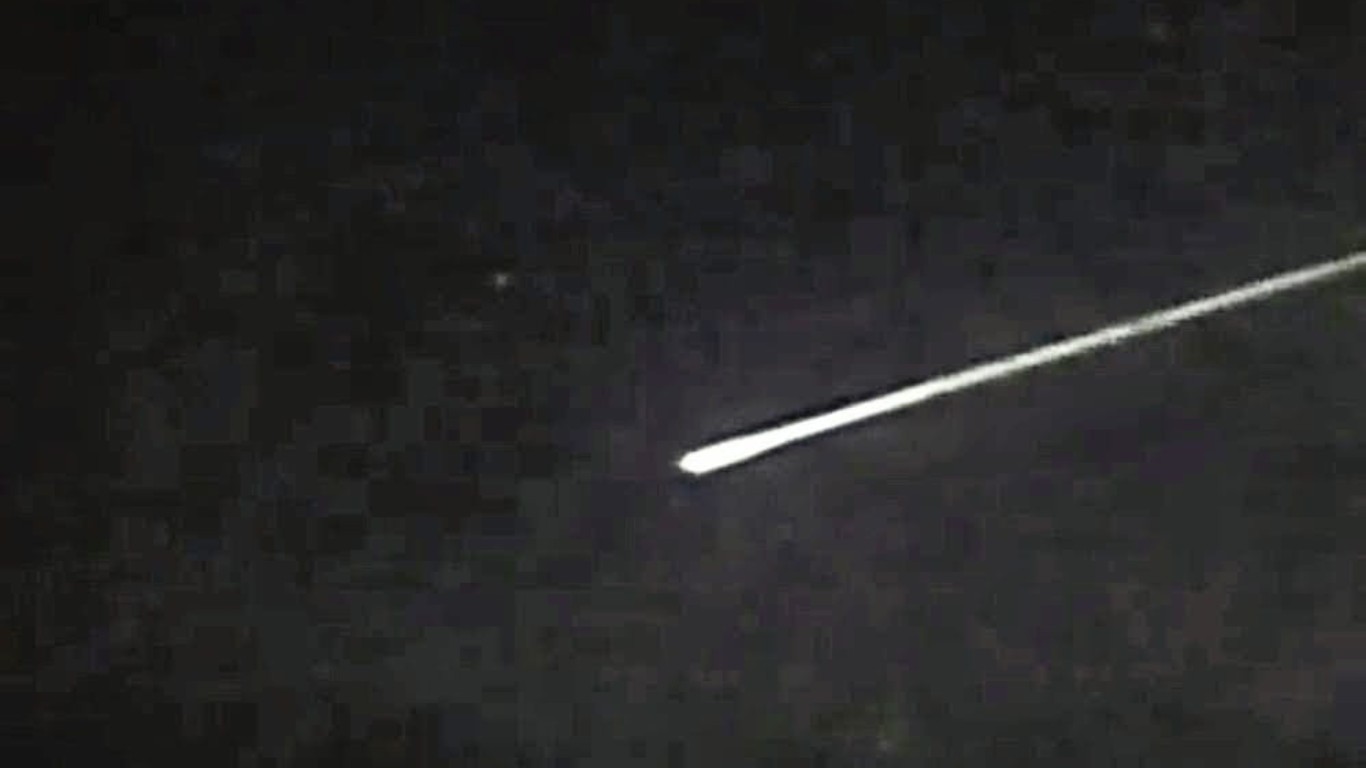
A spectacular meteor shower graced the skies of the interior of Pernambuco, Brazil, during the early hours of Friday, August 31st. In areas with clear weather conditions, observers were able to witness up to 25 meteors per hour, according to the Brazilian Space Agency (AEC), a research unit under the Ministry of Science, Technology and Innovation (MCTI). The Astronomical Association of Arcoverde, located in the Sertão region of Pernambuco, captured images of the celestial event using telescopes. Marlon Tenório, a member of the association, reported that the peak activity occurred between 1:00 AM and 2:30 AM. He explained that this meteor shower is caused by Earth passing through a region of space containing small particles shed by a comet. These meteors enter Earth's atmosphere at speeds ranging from 40,000 km/h to 260,000 km/h, depending on their trajectory. The intense speed causes even tiny particles, some as small as a grain of sand, to heat up dramatically upon atmospheric entry, creating the visible streaks of light. Meteors brighter than the planet Venus are classified as fireballs or bolides. While most meteor trails last only a fraction of a second to a second, exceptionally bright ones or those entering at a shallow angle can remain visible for several seconds.
The observation of this meteor shower highlights the predictable celestial mechanics governing our solar system and the public's enduring fascination with astronomical phenomena. While the event itself is a natural occurrence, the reporting and visual documentation underscore the role of local astronomical groups and national space agencies in observing and educating the public. In an era increasingly shaped by space exploration and satellite technology, understanding atmospheric entry phenomena, even from natural sources, contributes to a broader scientific literacy. This event serves as a reminder of the vastness of space and the dynamic processes that shape our planet's environment, fostering curiosity that could inspire future generations in STEM fields.
AI-generated to prompt reflection — not editorial opinion, not advice, not a statement of fact. How this works.