Meteor Shower Peaks Friday: How to Watch and What to Expect
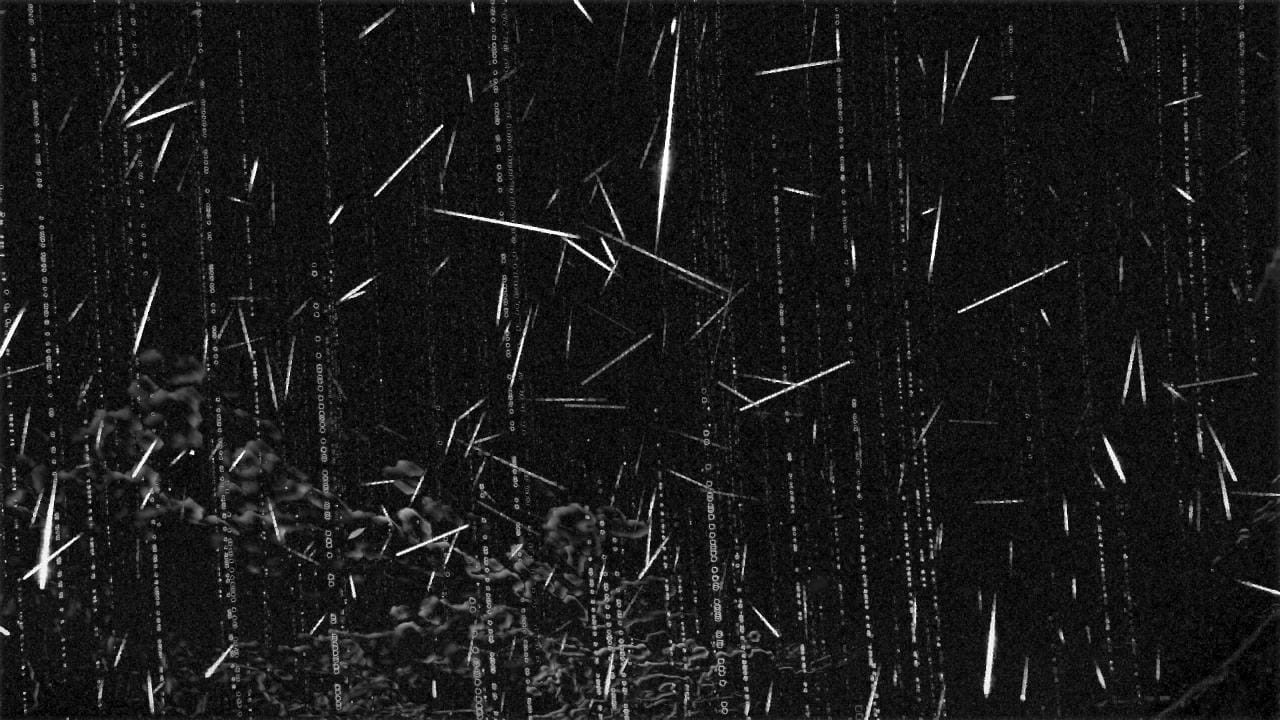
A significant meteor shower is expected to peak in the early hours of Friday, May 31st, following a notable observation of 196 meteors between Wednesday and Thursday at the Exoss monitoring station in Ceará, Brazil. Astronomer Marcelo De Cicco, coordinator of the Exoss project, anticipates an even greater number of meteors during the peak. Under favorable conditions, up to 25 meteors per hour could be visible, according to the Brazilian Space Agency (AEB). While the full moon may diminish the visibility of fainter meteors, the phenomenon will still be observable with the naked eye, without the need for optical aids. Regions in Brazil with clearer skies, including the Center-West, interior Northeast, Tocantins, eastern Pará, Minas Gerais, and Goiás, will offer the best viewing opportunities. The meteor shower can be observed starting around 1:30 AM, with ideal conditions found in dark locations away from city lights. Observers should look towards a broad expanse of the sky, generally between the northwest and east. The meteors, known as the Delta Aquariids, will appear to emanate from the direction of the Aquarius constellation, near the star Delta Aquarii. For photography, long exposures of approximately 10 seconds with a high ISO are recommended, avoiding direct moonlight. The Delta Aquariids are the primary southern hemisphere shower of this period, though the Alpha Capricornids and early Perseids may also be visible. Meteors enter Earth's atmosphere at speeds ranging from 40,000 to 260,000 km/h, causing tiny particles to heat up and create luminous trails. Exceptionally bright meteors are classified as bolides and can remain visible for several seconds. Despite the full moon's brightness, brighter meteors are still expected to be seen, with the peak activity potentially extending into the following night. The next major meteor shower opportunity in Brazil will be the Perseids on August 12th.
This event highlights the predictable celestial mechanics of Earth's passage through cometary debris fields, offering a consistent astronomical spectacle. The influence of lunar phases on meteor shower visibility underscores the interplay between natural light sources and observational conditions, a factor relevant to both amateur and professional astronomical pursuits. The mention of varying meteor speeds and the classification of bolides provide scientific context for the phenomenon. The article's framing encourages public engagement with astronomy, promoting accessible scientific observation as a leisure activity. Future considerations might involve optimizing viewing recommendations based on precise astronomical calculations and mitigating light pollution's impact on celestial observation, particularly as urban development continues.
AI-generated to prompt reflection — not editorial opinion, not advice, not a statement of fact. How this works.