Meteor Shower Peaks Friday: Tips for Viewing Southern Delta Aquariids
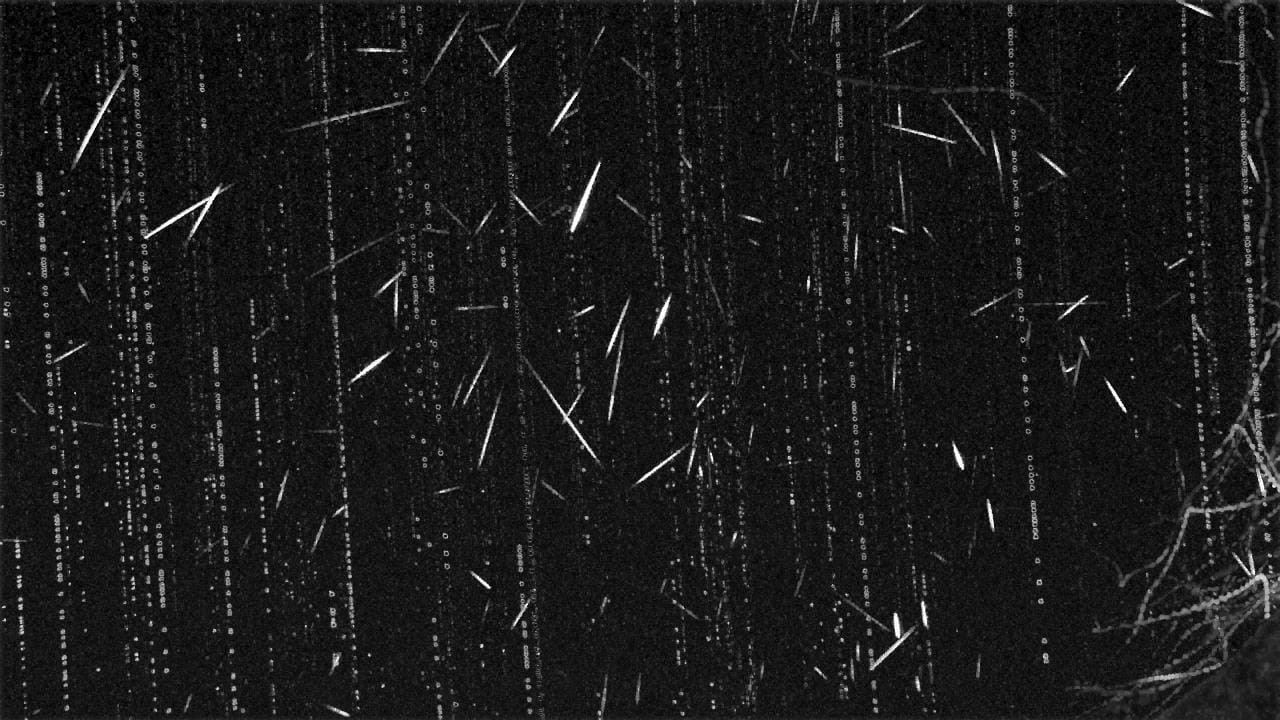
A significant meteor shower will reach its peak on the morning of Friday, May 31st, with up to 25 meteors per hour potentially visible under optimal conditions, according to the Brazilian Space Agency (AEB). While the full moon may obscure fainter meteors, brighter ones should still be observable with the naked eye, requiring no special equipment. Astronomer Marcelo De Cicco of the Exoss project recommends observing between 1:30 AM and 2:00 AM in a dark location away from city lights, looking at a wide expanse of the sky. For photography, he suggests pointing cameras away from the moon with long exposures of about 10 seconds and high ISO settings. The primary event in the Southern Hemisphere will be the Southern Delta Aquariids, known for their brightness. Other visible showers include the Alpha Capricornids, characterized by slower, sometimes colored meteors, and the early activity of the Perseids. Meteors enter Earth's atmosphere at speeds ranging from 40,000 to 260,000 km/h, causing tiny particles to heat up and create luminous trails lasting from fractions of a second to several seconds. Exceptionally bright meteors are classified as bolides. Despite the full moon's interference, the brightest meteors are expected to be visible, with the shower's peak activity potentially extending into the following night. The next major meteor shower opportunity will be the Perseids on August 12th, particularly visible in Brazil's North and Northeast regions, coinciding with a total solar eclipse visible in parts of Europe.
This event highlights the predictable astronomical cycles that offer accessible public engagement with celestial phenomena. The interference of the full moon underscores the interplay between natural light sources and observational clarity, a recurring challenge in astronomical observation. The mention of varying meteor speeds and the classification of bolides illustrate fundamental physics principles at play. The AEB's involvement and the Exoss project's community-based approach signify the growing role of citizen science and national agencies in space observation and education. Future advancements in light pollution mitigation and observational technology could enhance the visibility of such events, even during periods of bright moonlight, potentially democratizing access to astronomical experiences.
AI-generated to prompt reflection — not editorial opinion, not advice, not a statement of fact. How this works.