Meteor Shower Peaks This Thursday and Friday: Tips for Viewing
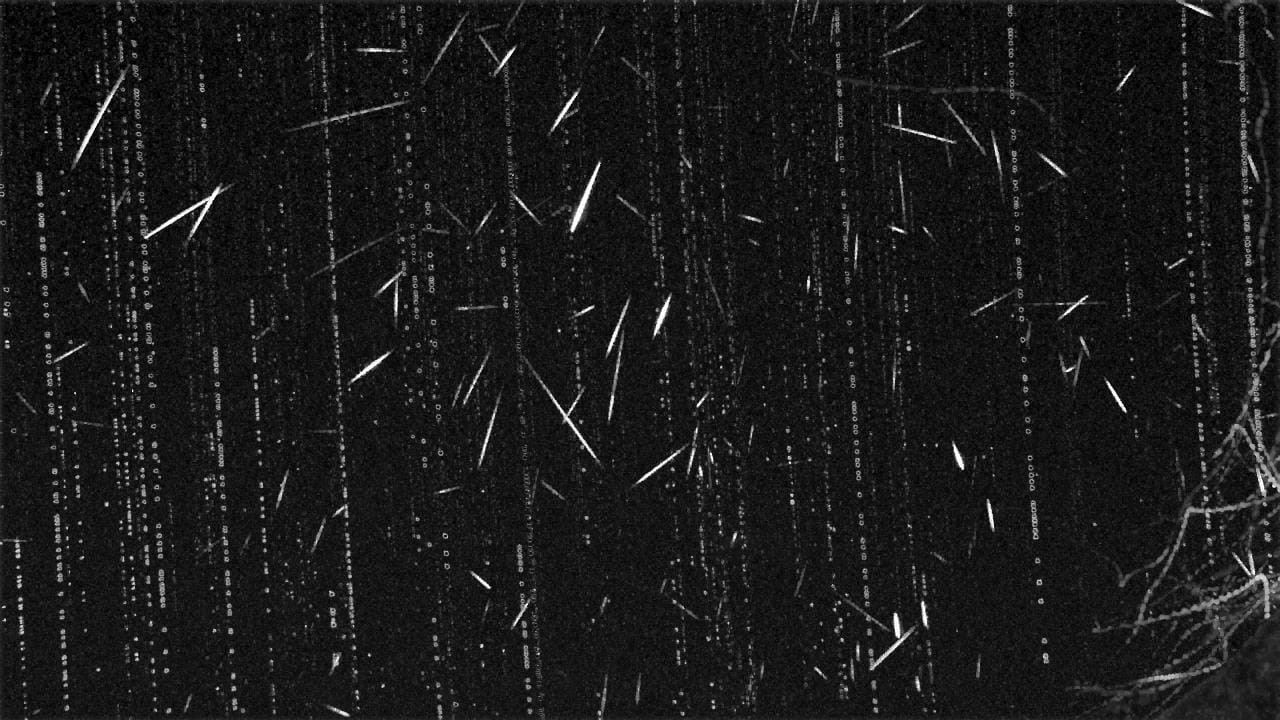
The peak of a meteor shower will be visible between Thursday night and Friday morning, with up to 25 meteors per hour expected under favorable conditions, according to the Brazilian Space Agency (AEB). While the full moon may diminish the visibility of fainter meteors, the phenomenon will still be observable with the naked eye, requiring no special equipment. Astronomer Marcelo De Cicco, from the Exoss project, advises seeking dark locations away from city lights and looking towards the northwest to east. The meteors will appear to originate from the direction of the constellation Aquarius, specifically near the star delta Aquarii. For photography, long exposures of about 10 seconds with high ISO are recommended, pointing the camera away from the moon. The Delta Aquariids of the South will be the primary spectacle, though brighter meteors from other showers like Alpha Capricornids and Perseids may also be visible. Meteors enter Earth's atmosphere at speeds ranging from 40,000 to 260,000 km/h, creating luminous trails as tiny particles heat up. Exceptionally bright meteors, known as fireballs, can remain visible for several seconds. Despite the full moon's glare, brighter meteors should still be observable. The next significant meteor shower, the Perseids, will peak on August 12th, with best viewing in Brazil's North and Northeast regions. On the same date, a total solar eclipse will be visible in parts of Europe.
This event highlights the predictable celestial mechanics of Earth's passage through cometary debris fields, a recurring annual phenomenon. While technological advancements in astronomy are significant, the public's engagement with meteor showers relies on basic observational conditions like darkness and clear skies, demonstrating a persistent need for accessible astronomical experiences. The mention of the full moon's interference and the recommendation for specific viewing directions and photographic techniques underscore the interplay between natural celestial events and environmental factors. Looking ahead, the increasing light pollution in urban areas globally poses a challenge to amateur astronomical observation, suggesting a potential future where such natural spectacles become increasingly difficult to appreciate without dedicated efforts to preserve dark skies.
AI-generated to prompt reflection — not editorial opinion, not advice, not a statement of fact. How this works.