Methane Emissions at Argentina's Largest Landfill Spark Controversy
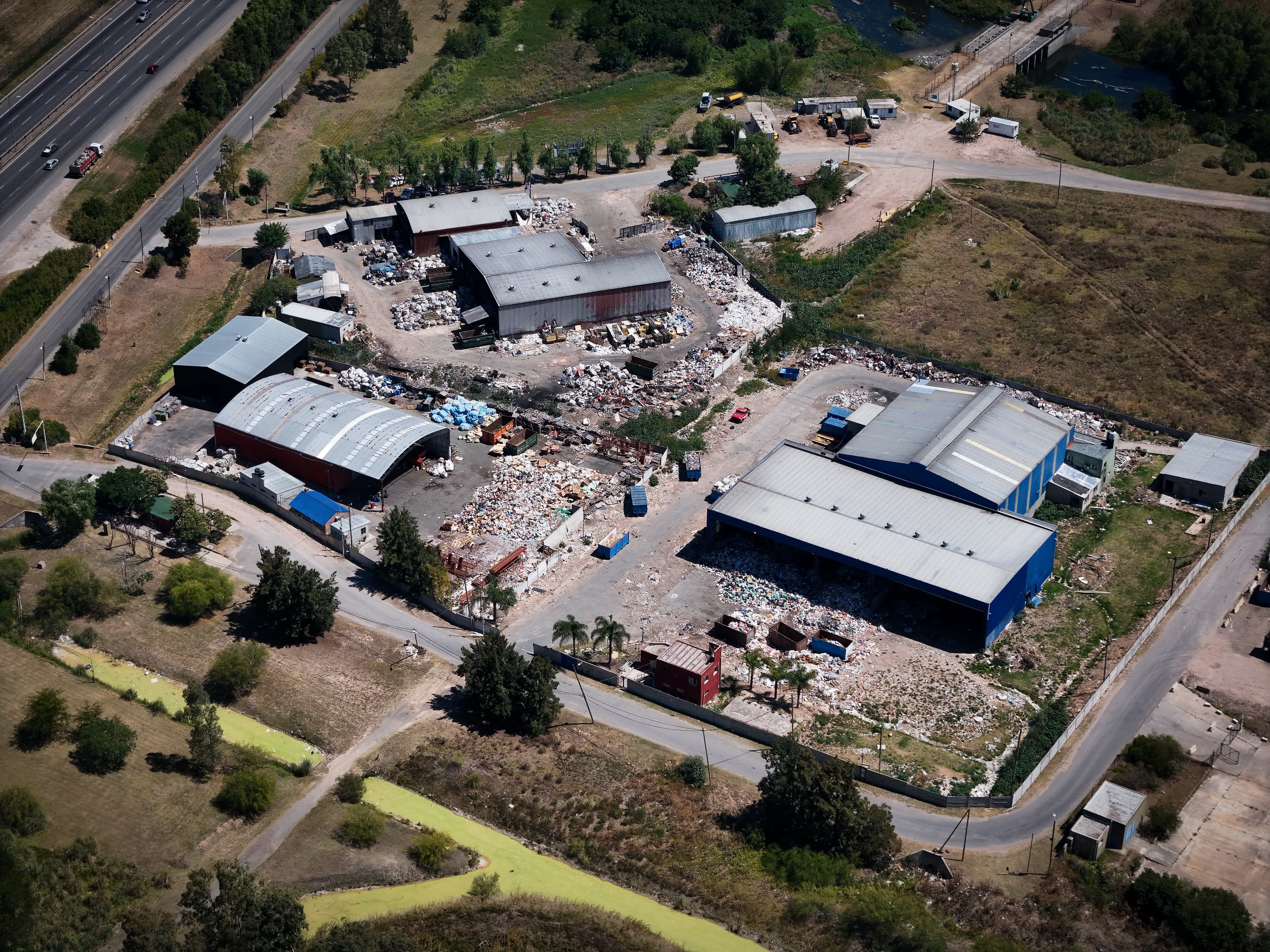
A recent investigation has identified 15 significant plumes of methane gas emanating from the Ceamse landfill, the primary waste disposal site in Argentina. This facility processes approximately 45% of the nation's total waste. The research, conducted by a United States university, utilized satellite data to detect these emissions. Experts involved in the study emphasize the crucial role of satellite information in monitoring environmental impacts from large-scale waste management operations. However, the company operating the landfill has raised objections to the findings. They argue that the analysis overlooks critical variables related to the sheer volume of waste the facility receives. This discrepancy highlights a potential debate over the accuracy and methodology of environmental assessments conducted via remote sensing versus on-site operational data.
The detection of substantial methane plumes from Argentina's largest landfill, processing nearly half the country's waste, underscores the growing importance of satellite-based environmental monitoring. While the university's research offers valuable data, the operator's critique regarding overlooked variables in waste volume suggests a need for integrated assessment methodologies. Future waste management strategies will likely require a fusion of advanced remote sensing with ground-truth data to accurately quantify emissions and their environmental impact. This incident prompts consideration of how differing data perspectives can influence regulatory approaches and corporate accountability in the waste sector, particularly as methane is a potent greenhouse gas.
AI-generated to prompt reflection — not editorial opinion, not advice, not a statement of fact. How this works.